Login
Login

HR Checklist For Startups: 12 Templates & 8 Best Practices



PRODUCTS
 Payroll Suite
 HR Suite
 Talent Suite
 Project Services Suite
Meet the platform tailored to your business
Core system of record
One platform for the entire employee journey

BY INDUSTRY
BY COMPANY SIZE
LEARN
EXPLORE KEKA
If you're building a team from scratch, there's a lot to get right early registrations, offer letters, basic policies, payroll setup, and statutory compliance. This checklist keeps you from legal headaches and shows early hires you take them seriously, without turning HR into a rigid machine that slows hiring.
Startups already have a lot on their plates and so do their HR departments. The past few years saw a revolution in the workplace incorporating resignations, remote work, new compliances, etc. This has only added to the workload of HR bearing more and more need for a to-do list-like thing: an HR Checklist.
This blog discusses the basics of such a checklist, its importance, and what it contains. We will also share examples and samples of HR Checklists focusing on the functions of startups.
Towards the end, we throw light on the best practices for small businesses to flourish in the ever-evolving competitive market.
Avoid Chaos and Scale Seamlessly with Keka
Explore Now
An HR checklist for startups is like a to-do list or guide that helps a company manage important HR tasks. It includes key things like hiring new employees, getting them started in the company (onboarding), and figuring out their salary and pay structure, rewards, and benefits.
The checklist also ensures that the company follows guidelines and keeps track of important information about employees. By using a checklist, startups can handle HR responsibilities better and work towards achieving their business goals more efficiently and fruitfully.
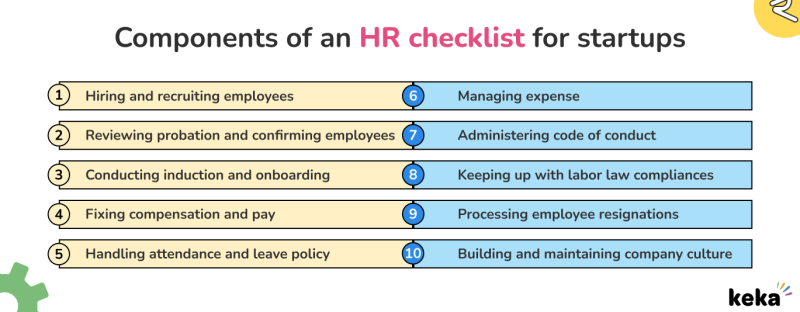
The 10 key components of an HR Checklist for Startups include:
We’ll discuss more about these in the following sections.
An HR checklist for startups and small businesses is essential because it helps ensure that important HR tasks, like hiring and managing employees, are handled correctly and efficiently. It acts as a guide to avoid mistakes, comply with rules, and manage resources effectively.
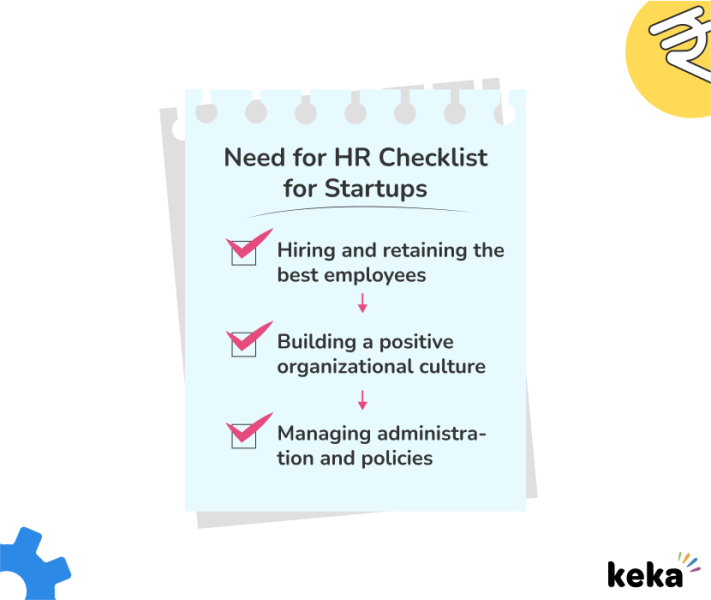
It is especially important when operating with limited budgets and resources. Here are 3 of the most important reasons why startups and small businesses need an HR Checklist:
34% of CFOs noted that hiring mistakes not only decrease productivity but also demand 17% of managers’ time for supervising poorly performing employees.
Effective hiring and retaining good employees is crucial for startups. Poor hires can harm teams and reduce employee morale. Before posting job descriptions, HR managers should use an HR checklist, a systematic guide ensuring critical steps are followed in the hiring process.
This helps in avoiding mistakes, ensuring compliance, and recruiting suitable candidates. The checklist also aids in retaining top talent by focusing on employee satisfaction and engagement.
Having a positive organizational culture sets your company apart from competitors and attracts new hires who align with your vision. In today’s startup landscape, the key challenge is not just attracting but also retaining top talent.
An HR checklist proves invaluable for cultivating a positive culture. It ensures that the hiring process aligns with your organization’s values. Plus, the checklist can include elements that focus on employee satisfaction and engagement. This fosters a work environment that retains the best talent over time.
When founders, acting as authoritarians, take on the role of HR Managers, they invest a significant amount of time and effort in building an efficient employee base. This potentially leads to lower productivity.
An effective HR checklist in startup administration and policy management is a game-changer. It streamlines tasks, saving time and effort. It helps ensure adherence to policies, lowers recruitment costs, decreases attrition rates, indirectly reduces training expenses, and safeguards the company from legal consequences.
When building a company, it’s important to set up basic HR processes. Making these processes simple and easy to understand helps address many challenges in managing people for startups. The key to making these processes work is putting them into action effectively.
Here are the components of an HR checklist to put your HR processes into action.
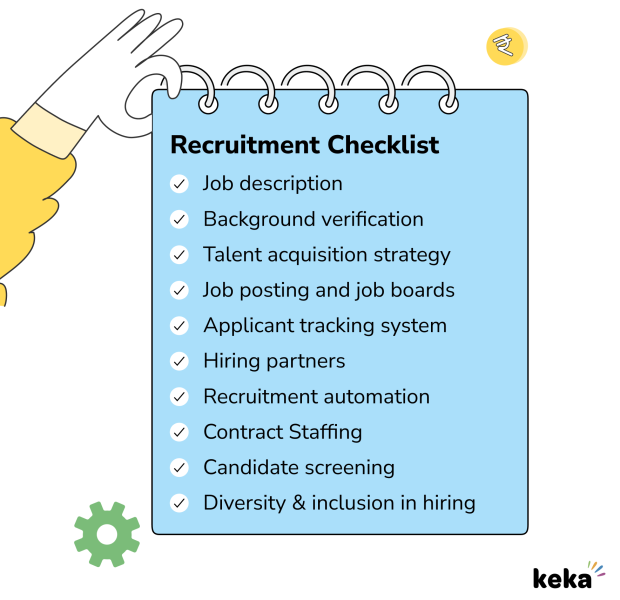
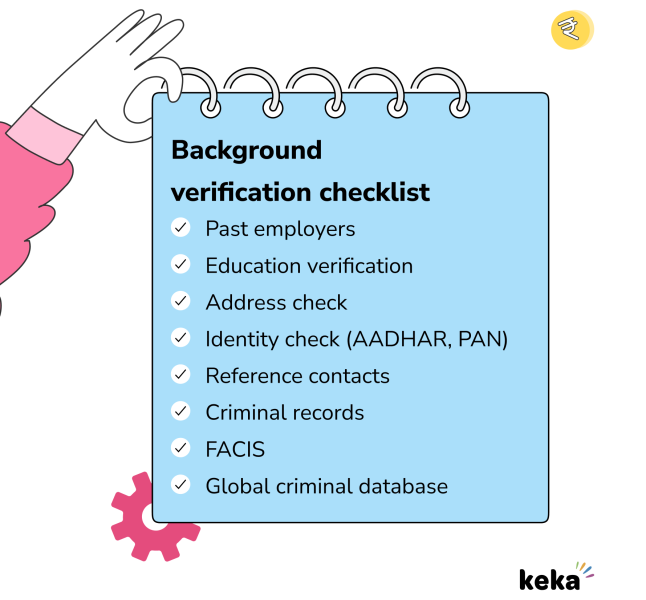
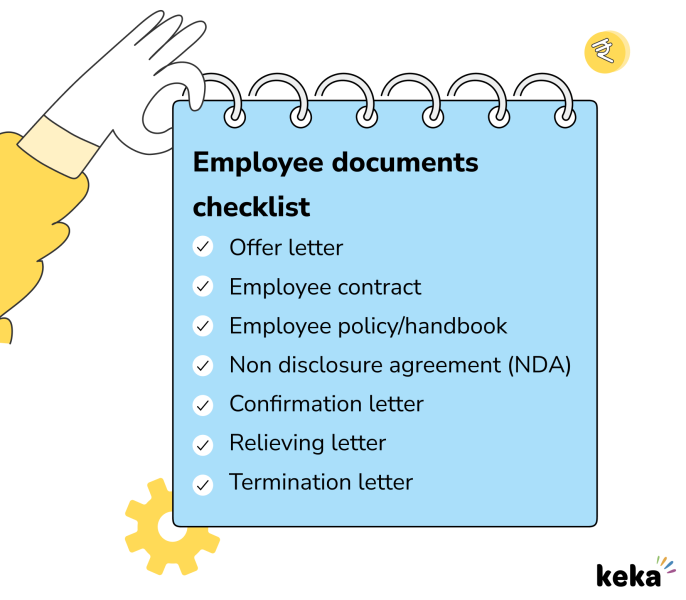
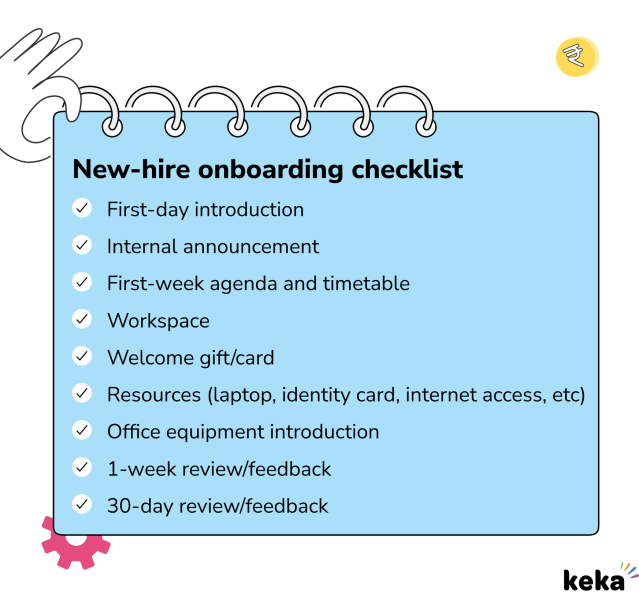
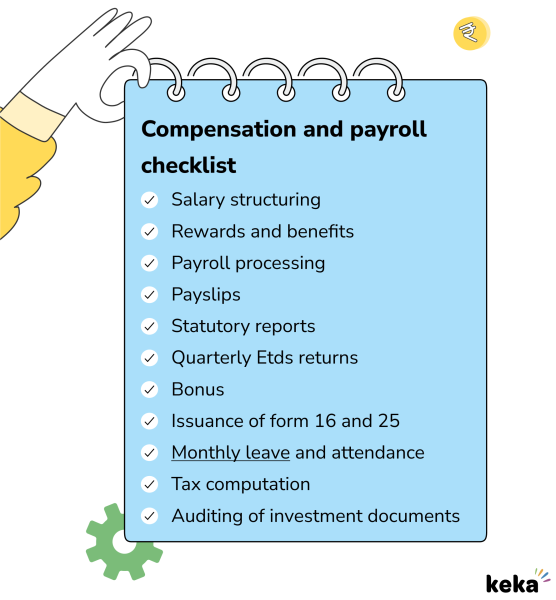
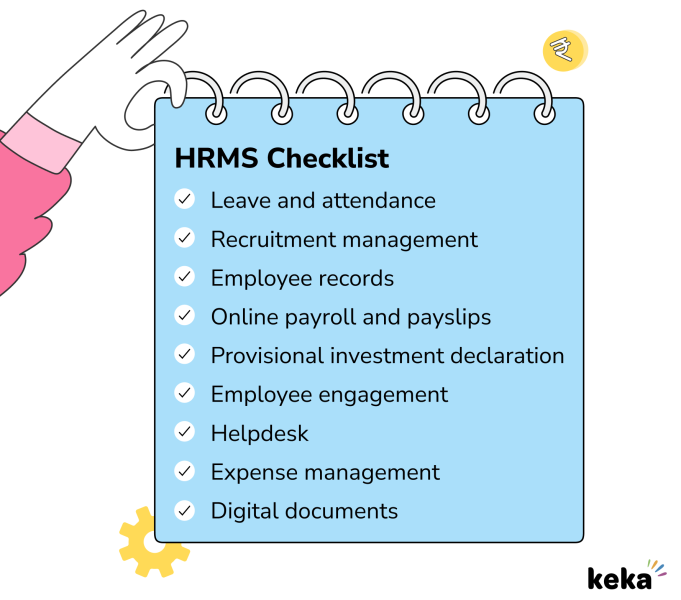
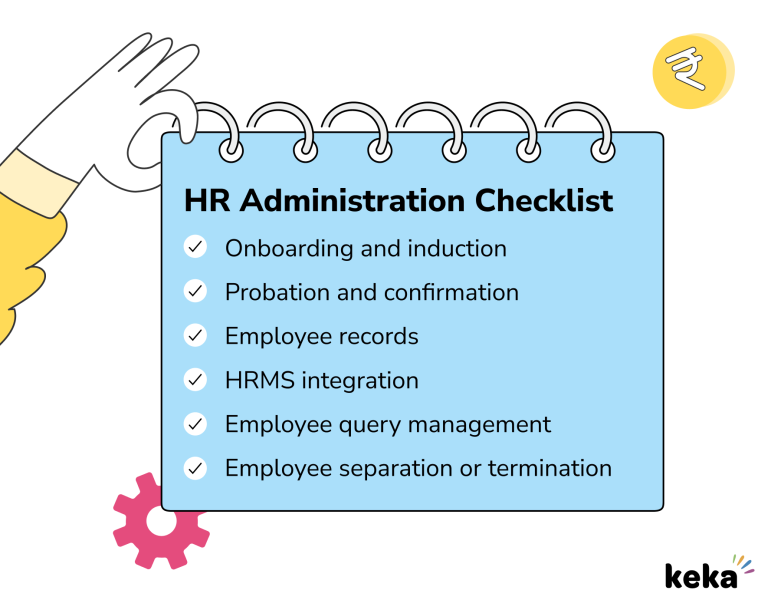
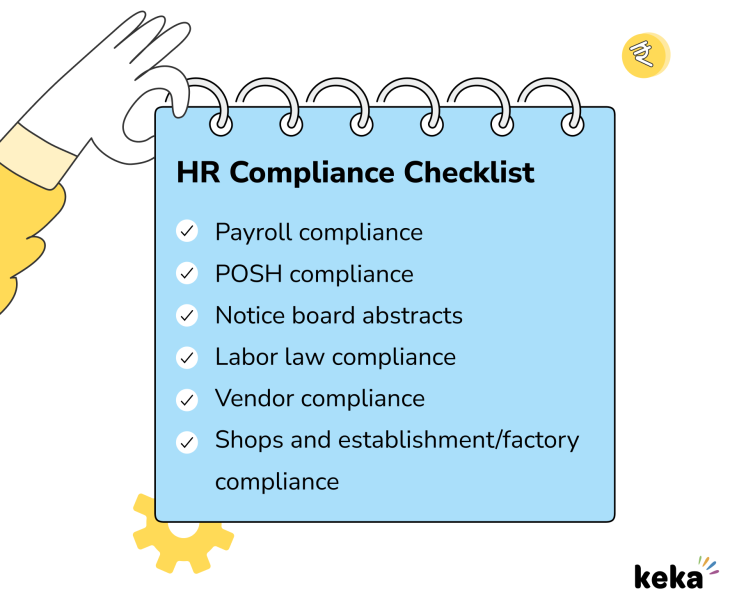
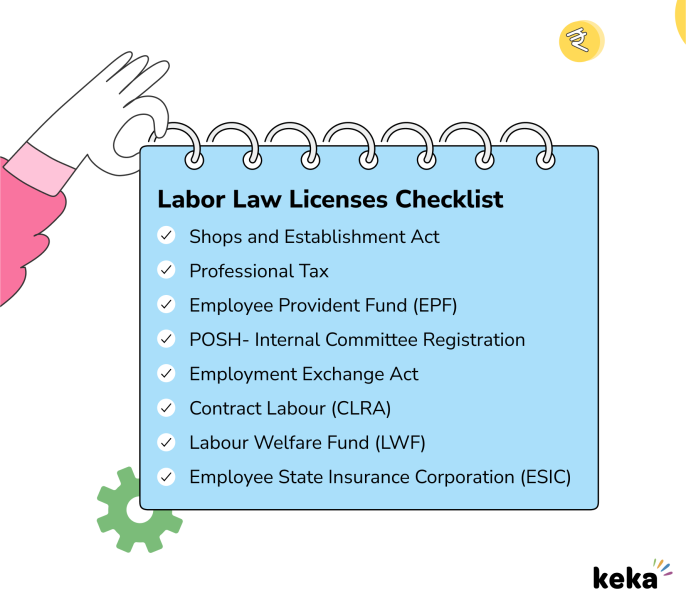
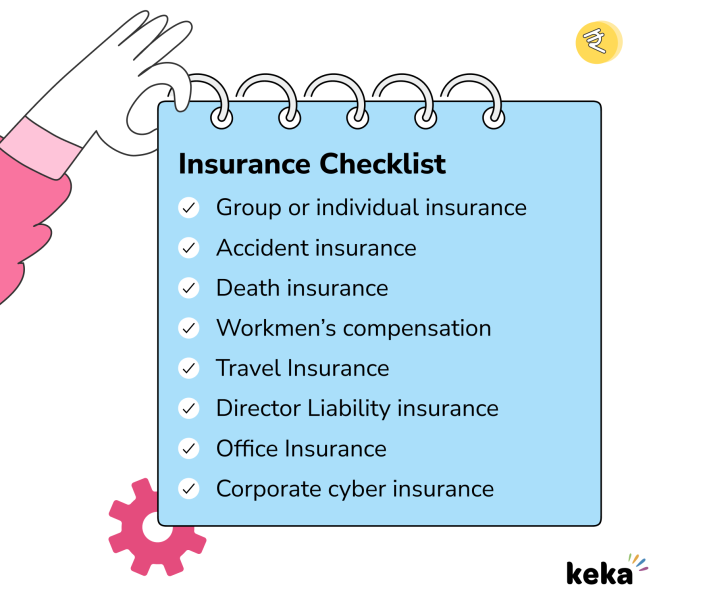
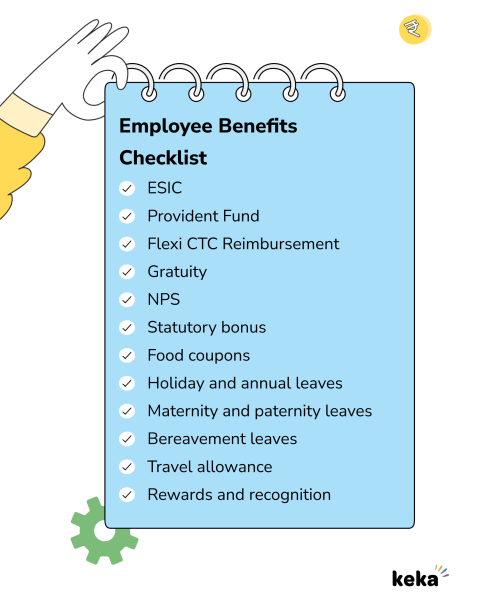
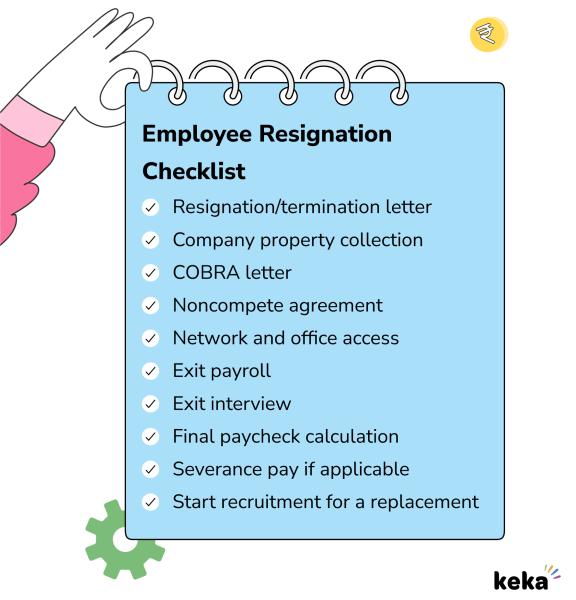
In the early days of a startup, HR might not be top of mind. With a small team and possibly no dedicated HR person, someone from another department might be handling HR duties on the side. To set your startup up for success, focus on key HR practices.
Here’s what to prioritize as you grow.
Even in smaller companies where cross-functional work is common, provide candidates with clarity by collaborating on drafting job descriptions. Clear job descriptions ensure better candidates to apply to your job posting.
Collaborate with leaders and hiring managers to identify necessary roles and set timelines for filling them. Small teams often need to grow quickly, so having this plan in place early gives you an organized head start.
Even if you’re a small startup, rules and guidelines are still valuable. Instead of keeping company policies informal, start putting together a handbook, even if it’s basic for now.
Beginning to document things like your time-off policy or dress code early on helps prevent employee confusion down the road when policies become more formalized as you grow.
Bid farewell to informal interviews and handshake agreements. As your company expands, it’s crucial to establish a fair and consistent process for organizing interviews and deciding who participates.
The determination and dedication of your initial hires brought you this far, but maintaining an exciting workplace requires an ongoing focus on culture and engagement.
Conduct quarterly employee engagement surveys and experiment with unique perks to set your company apart and appeal to both current and prospective employees.
As your company grows, the need for advanced HR technology becomes evident. If it hasn’t already, the time will come when working with your PEO becomes too costly, typically around a headcount of 50.
Be proactive by researching HR tech options, attending product demos, and working with company leadership to budget for and implement the right software when needed.
While employee performance is crucial at any stage, your company might have handled it informally until now. Whether you prefer continuous feedback or traditional annual reviews, establish the mechanics and schedule for your performance evaluation program. If you haven’t already, consider formalizing the process, perhaps even incorporating it into your handbook.
Employer branding, once a secondary recruiting tool, has evolved into a company-wide initiative for growing businesses. A strong employer brand helps job seekers recognize and promote the unique value your company offers.
Refresh your careers page, encourage employees to share testimonials, refer applicants, and participate in culture-building activities to strengthen your employer brand.
An HR checklist is important for startups as it provides a clear roadmap for managing essential HR tasks efficiently. In the early stages, where resources are limited, the checklist ensures critical processes like hiring and onboarding are handled systematically. It’s a practical tool to navigate HR complexities and foster startup growth.
Startups can start using an HR Checklist right from the beginning. There is no fixed time to when a business should use a checklist. Using an HR checklist from the beginning sets a foundation for effective people management as the startup grows.
Startups can find HR checklists and templates from various sources like online HR resources, HR software platforms, professional networks, business support organizations, etc.
A startup can streamline its hiring process using an HR checklist by following the guidelines:
An HR checklist for startups is key to building a positive workplace culture. From clear onboarding to fair processes and employee well-being, it sets the stage for a supportive and inclusive culture. It encourages open communication, values diversity, supports development and recognizes contributions.
Subscribe to keep up with the latest strategic finance content.
Request a demo