Login
Login

Keka’s HR Conclave: Fostering Psychologically Safe Workplaces


PRODUCTS
 Payroll Suite
 HR Suite
 Talent Suite
 Project Services Suite
Meet the platform tailored to your business
Core system of record
One platform for the entire employee journey

BY INDUSTRY
BY COMPANY SIZE
LEARN
EXPLORE KEKA
The Nagpur HR Conclave brought together practitioners to exchange ideas on engagement, leadership, and HR modernization. This blog shares the standout insights, focusing on how HR leaders can use data, empathy, and agile processes to improve work culture and decision-making.

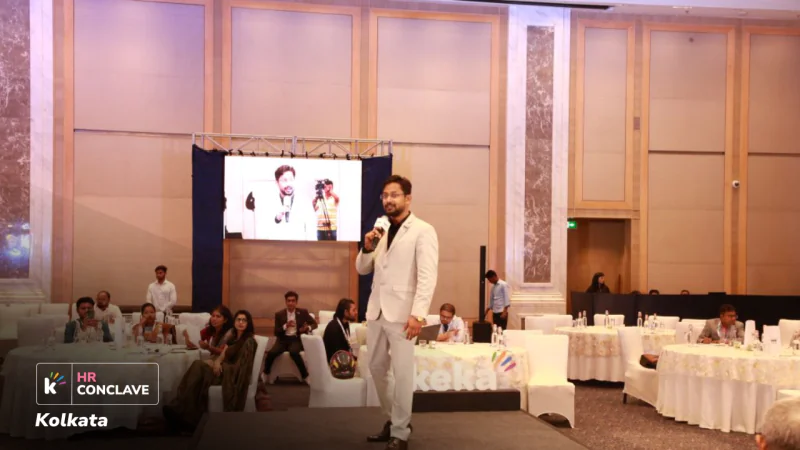
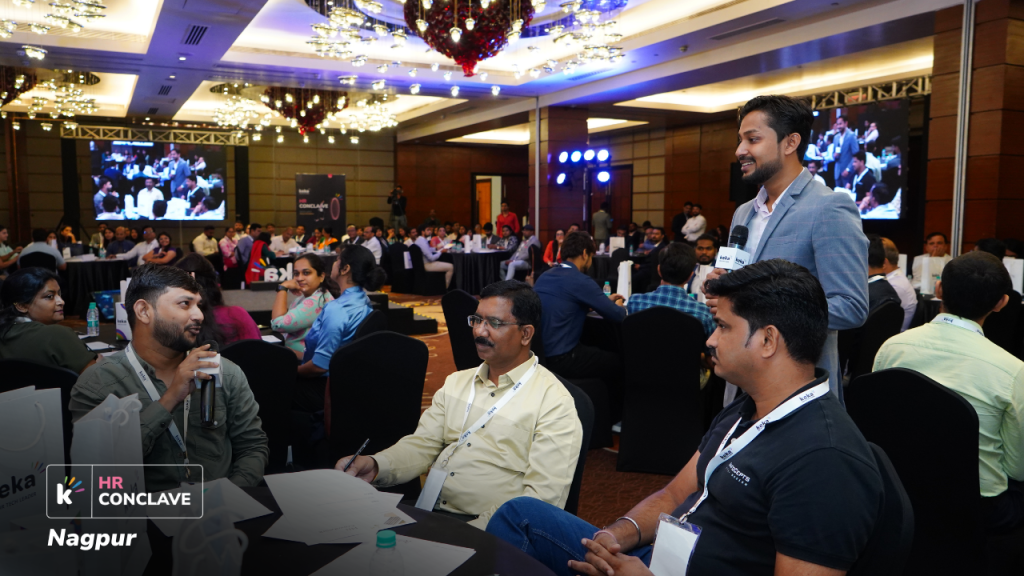
Keka HR, the renowned SME HR Tech leader, recently organized their tenth edition of the HR conclave in the ‘Orange City’ of India, Nagpur, on the 6th of July 2023 at the iconic Raddison Blu. The event brought together some of the brightest minds to discuss building psychologically safe workplaces. The event featured insightful discussions, innovative ideas, and key takeaways that will reshape the future of HR.
Kshitiz Sachan, the Process Coach at Keka HR, kickstarted the discussion with an interesting anecdote, “Organizations often struggle in building the right culture and a positive atmosphere that resonates with both Gen Z and millennials. HR professionals can only overcome this by acknowledging the diverse cultural backgrounds that the employees bring from their previous organizations. The first step in building psychologically safe workplaces starts with the right culture and accepting diversity. And the feeling of inclusion is the validation to a psychologically safe workspace for the employees.”
A survey states that professional well-being has the highest impact (nearly 40%) on the psychological well-being of individuals. So, HR professionals must create an environment of mutual trust and respect within the organization.
The key metrics that HRs should focus on are employee turnover rate, cost-per-hire, training and development cost, participation rate in engagement surveys, performance, and compensation metrics, stated one of the attendees. Adding his insights, Ashish Ghakrey, the founder of HR Shapers, shared, “Data is the new currency, as it can be converted into anything, like information, knowledge, and predictive analysis. HRs should use this currency cautiously to streamline employee engagement initiatives and drive positive talent acquisition.”
Concluding this discussion, Sulakshana Wanare, Assistant HR Manager at Rite Water Solutions, added more metrics like capacity building measures, hybrid work culture trends, talent acquisition metrics, and work-life balance metrics to the list for developing holistic HR analytics.
Addressing this issue, one of the attendants said, “It’s important to nurture a learning culture in the organization before assessing the training needs of an individual or the team. Make the training and development activities more engaging by adding the element of gamification. Also, it’s essential to measure the impact and effectiveness of these activities.”

Delving deeper into the session, the next topic centered around the question, ‘How to distinguish between performers and non-performers? Payal Pathak, Operation Executive HR at Alexis Hospital presented her insights on the subject, the most important thing is to define clear parameters for classifying employees under performers or non-performers. If an employee consistently fails to meet the mark, understand their challenges, plan performance improvement programs, assess the output of training programs, and share all this with the employees. If none of these works, only then place an employee under the bracket of PIP.
“The biggest challenge in designing training and development programs is the traditional approach an HR takes; they should understand the new crowd finds it difficult to follow it. To make these more interesting and obtain maximum output, it’s important that we understand their mindset and restructure them to become more data driven,” shared Kshitiz Sachan.
One of the attendees added an employee’s perspective to the discussion stating, “The only way HRs will add real value and meaning to their activities is by going the extra mile for them and always addressing their challenges with empathy and humanity.
The session concluded with the note, whether it is an employee or an HR professional, everyone should find the true purpose in whatever tasks they are assigned, making it the only way to achieve true success. The main goal of an HR professional should always be to encourage innovation and creativity in the workplace, driven by a learning culture and a growth mindset. These should be the mantras every HRs should follow to create a positive and sustainable workplace where employees feel psychologically safe.
Keka’s Knowledge Hub stole the spotlight at the event and was flocked with attendees who wanted to benefit from its treasure trove of latest HR trends. The Hub displayed case studies, booklets of practical HR use cases, and a mobile library of the best HR books. Attendees were offered their first book free of charge. Upon sharing the book summary via a QR code, they are eligible for a 50% discount on their next book, delivered right to their doorstep.
Keka HR’s tenth conclave was a resounding success, fostering meaningful discussions on building psychologically safe workplaces and driving innovation in HR practices. HR professionals left the event with valuable insights, actionable strategies, and a renewed passion to reshape the future of HR. Its journey will continue with the next conclave in Indore.
Subscribe to keep up with the latest strategic finance content.
Request a demo