Login
Login

In-house Training
Read Time: 5 Mins


PRODUCTS
 Payroll Suite
 HR Suite
 Talent Suite
 Project Services Suite
Meet the platform tailored to your business
Core system of record
One platform for the entire employee journey

BY INDUSTRY
BY COMPANY SIZE
LEARN
EXPLORE KEKA
In-house training, also called internal training, is the process of educating employees about specific skills or processes with particular courses or programs. It is a type of corporate training that can be delivered in the form of workshops, seminars, mentoring, or e-learning methods.
It is usually carried out by the company’s internal employees’ expertise and resources. Such training can improve employee productivity and prove to be cost-effective. It is low on budget as compared to external training that includes external workshops, expensive courses, or seminars.
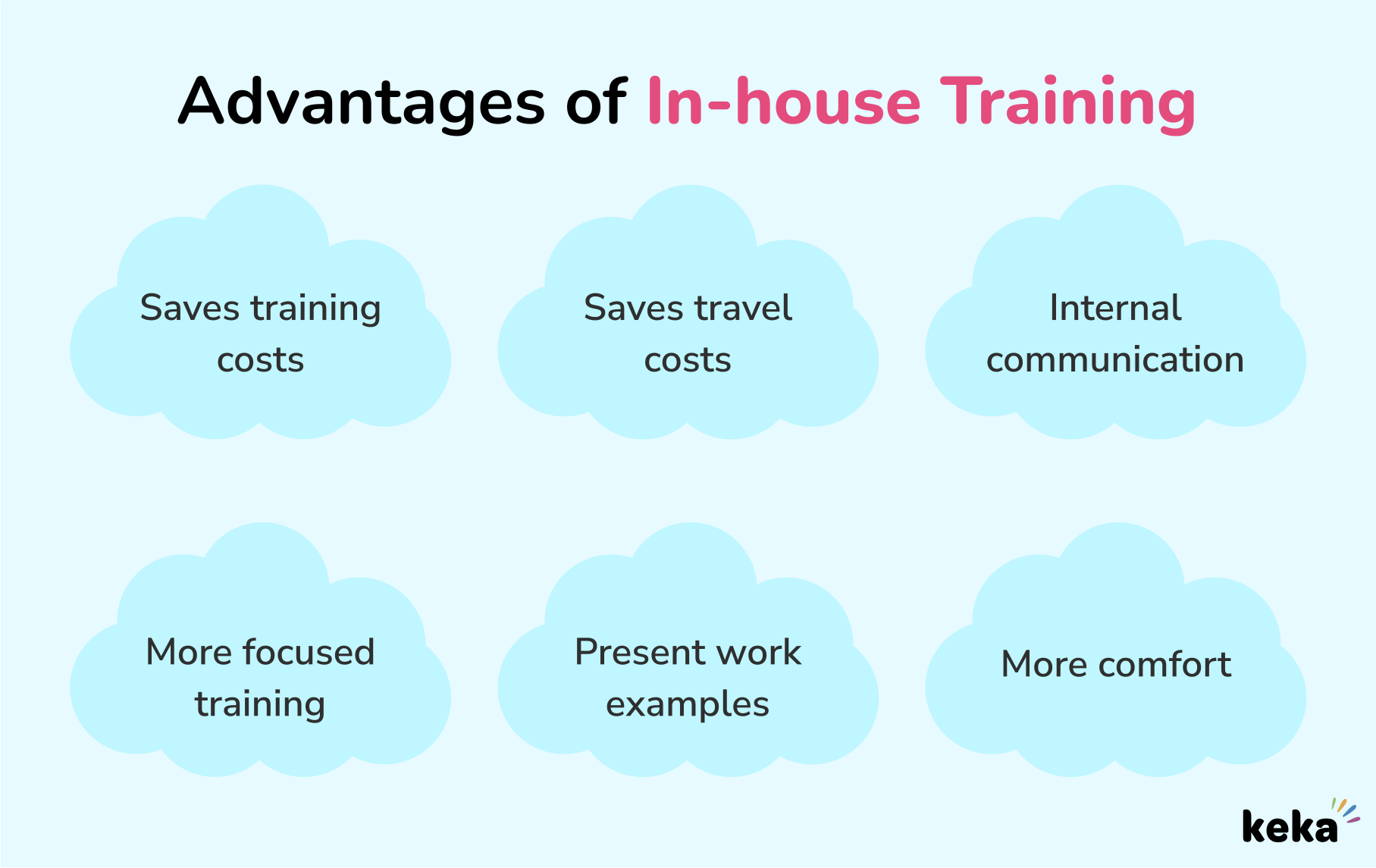
Here are eight advantages of in-house training:
The cost per delegate is generally lower for in-house training, as the training company only needs to send a trainer, avoiding venue setup expenses. It is recommended for groups of more than 4 people, considered the break-even point for optimal savings.
It eliminates travel and possible accommodation costs for employees. It is particularly beneficial in large cities with high accommodation expenses and soaring fuel prices.
In-house training allows for highly focused sessions tailored to specific subjects and skills relevant to the business. It contrasts with generic content often found in public scheduled courses and e-learning programs.
In-house training enables customization with real-life examples addressing individual issues, ensuring maximum impact. It delegates work on current tasks, relevant to their roles, fostering practical learning over generic examples.
Conducting in-house training in the organization’s building simplifies scheduling around individual timetables and responsibilities. It eliminates logistical challenges and ensures quick access to candidates in case of urgent matters.
In-house training with diverse participants encourages teamwork and social learning through idea exchange. It fosters increased awareness and understanding of each other’s roles, contributing to enhanced staff morale and a friendly workplace environment.
In-house training ensures adaptability by tailoring learning experiences to the specific needs and challenges of the organization. Customized training programs address current skill gaps and industry trends, preparing employees to navigate changes and innovations effectively.
Effective in-house training promotes better internal communication by providing a structured platform for knowledge sharing. Employees gain a common understanding of organizational goals, processes, and expectations, fostering a cohesive and well-informed workforce. This improved communication contributes to enhanced collaboration and efficiency.
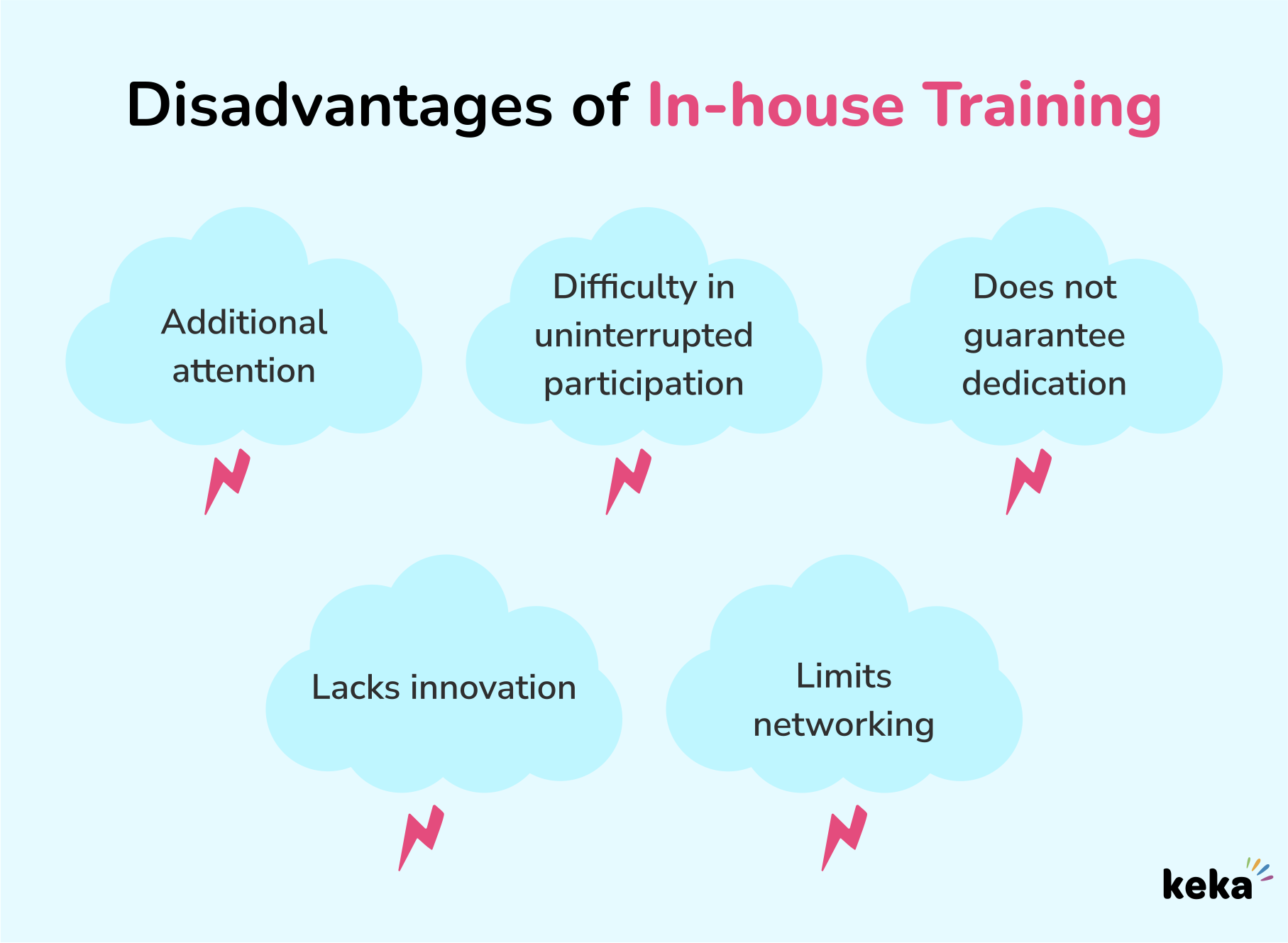
Here are five main disadvantages of in-house training:
HR has to take on the administrative burden, handling logistics such as training room, parking, and equipment requirements. Advance planning is essential to ensure the smooth execution of in-house training.
While having delegates onsite is convenient, it can be a disadvantage as interruptions may occur when individuals are pulled away for other activities. There is some difficulty in ensuring uninterrupted participation throughout the entire session.
Conducting training in-house might be perceived as less serious by employees, potentially leading to lower dedication. Its convenience may result in some employees skipping sessions, considering it a break from their regular responsibilities.
Using familiar equipment and surroundings may lead to a lack of innovation in training content. There is a risk of stagnation and limited improvement due to the comfort of the familiar environment.
In-house training limits networking opportunities as employees won’t interact with individuals from other companies. It misses out on the chance for diverse perspectives and insights that external participants could bring to enhance employee development.
Training holds much significance in the Human Resources Development (HRD) philosophy of contemporary organizations. Modern businesses heavily depend on the thoughtful design and effective implementation of training programs to foster the development of their human resources.
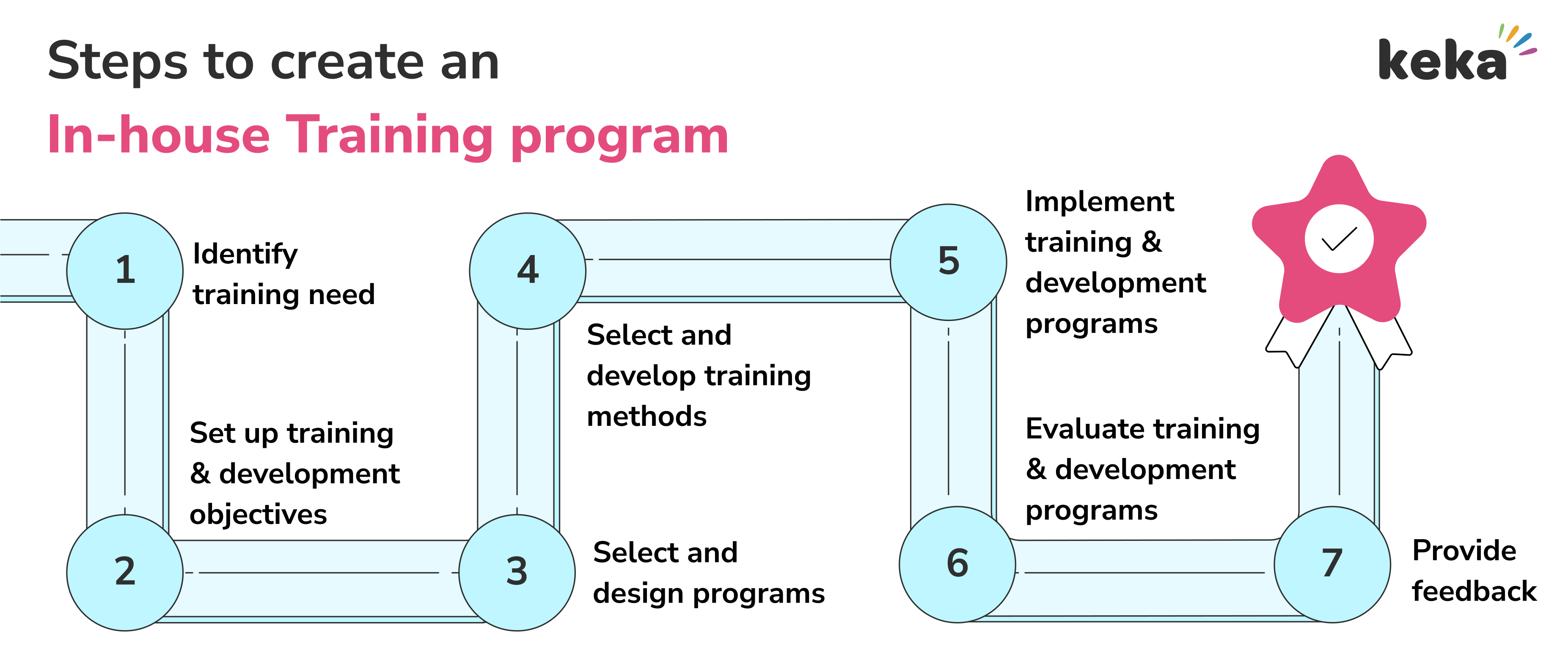
Developing a successful in-house training program involves a structured process, starting with identifying an organization’s needs for evaluation and feedback with the following 7 steps.
Recognize gaps in employee skills and knowledge through assessment. Analyze current performance levels and determine areas that require improvement.
Define clear and specific objectives for the training program. Outline what participants should achieve by the end of the training.
Choose or create training programs that align with defined objectives. Design content, structure, and activities to address identified needs effectively.
Choose suitable training methods (e.g., workshops, e-learning). Develop techniques that engage participants and cater to diverse learning styles.
Execute the training plan, ensuring proper logistics and participant engagement. Deliver content effectively, providing a conducive learning environment.
Assess the effectiveness of the training in meeting objectives. Gather feedback from participants and trainers to identify strengths and areas for improvement.
Use feedback to identify additional training needs or areas for refinement. Continuously loop back to the identification phase, ensuring ongoing improvement and adaptation.
Subscribe to keep up with the latest strategic finance content.
Request a demo