For many small business owners, payroll is one of those hidden costs that sneaks up on you. You think you’re paying an employee $15 an hour, but by the time you factor in taxes, benefits, insurance, and compliance, that number can quietly swell to more than $21.
It’s a reality that many owners only discover after the fact—when cash flow is tighter than expected, or when payroll liabilities start piling up.
Reddit is full of these payroll costs challenges, as this thread shows below.
Moreover, poorly managed payroll can lead to costly penalties due to tax mistakes, delayed or incorrect employee payments, and wasted hours correcting errors. It can also lead to cash flow problems, employee dissatisfaction, and even legal risks due to noncompliance with labor laws.
The result? These issues pull time away from growing your business and drain vital resources, making it harder to stay competitive and profitable.
And that’s why we are here to help.
In this guide, we’ll reveal where you might be losing money and provide strategies to stop the bleeding when you process payroll.
What are payroll costs for small businesses?
Payroll costs refer to the total expenses a business incurs to compensate its employees. It includes not only the gross salaries and wages paid but also all associated mandatory employer taxes, employee benefits, workers’ compensation, and administrative costs related to payroll processing and compliance.
For most small businesses, payroll costs consume around 18% of total cash outflows annually. When you include all employer-related taxes, benefits, and insurance, payroll software and consultant fee, this figure rises to almost 22%.
But what does this really mean for you? Small businesses generally maintain only about 18 days’ worth of cash reserves. Unexpectedly high payroll expenses can quickly put your business in a cash flow crunch, threatening day-to-day operations.
1. Impacts on profitability
Payroll is often the single largest expense on your books, controlling it directly impacts your bottom line. Overspending on payroll eats into your profits and reduces the available capital for reinvestment or emergencies. Conversely, underinvesting in payroll risks losing skilled staff or harming productivity.
2. Impact on hiring and growth
Because payroll costs make up a significant portion of your operating expenses, they influence decisions about hiring. Hiring too many employees too quickly can create an unsustainable payroll burden. On the other hand, understaffing can limit your ability to grow revenue, causing you to miss potential business opportunities.
3. Competitive risk and administrative burden
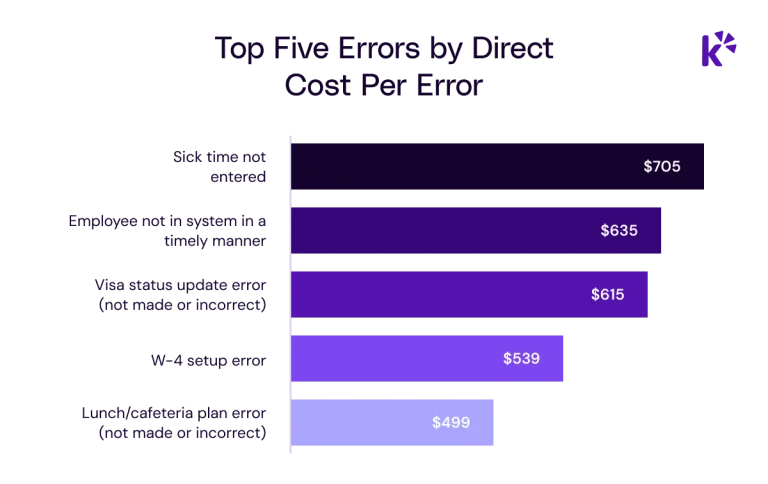
Mistakes in payroll processing are common. In fact, about 20% of small business payroll runs contain errors, which cost you an average of $291 per fix. These errors add administrative overhead and distract you from running your business.
Moreover, you must comply with federal, state, and local regulations governing taxes, benefits, wage laws, and reporting deadlines. Failure to comply can result in costly penalties, legal disputes, and damage to your reputation.
By understanding the full scope of payroll costs, you’re better equipped to manage payroll strategically by balancing cost control, employee satisfaction, and compliance effectively.
What’s Included in Payroll Costs for Small Businesses?
Paying your team includes both direct and indirect costs. Most of what you spend is obvious, but some expenses can really sneak up on you. Let’s focus on some of them.
Direct payroll costs for small businesses
- Base salaries and wages: This is the foundation of all your payroll expenses. Hourly employees are compensated for the exact number of hours they work, including any overtime. Salaried employees receive fixed payments, typically monthly, regardless of hours worked. Bonuses, commissions, and other performance-based pay also fall under this category.
- Employee benefits: Benefits make up a significant portion of your direct payroll costs. These include health, dental, and vision insurance premiums, retirement plan contributions like 401(k) matches, paid time off (including vacations, holidays, and sick leave), life and disability insurance, and other perks designed to attract and retain employees in a competitive market.
- Mandatory employee payroll taxes: You must contribute several taxes as an employer. These include Social Security tax at 6.2% on wages up to $176,100 per employee, Medicare tax at 1.45% without a wage limit, the Federal Unemployment Tax Act (FUTA) tax typically at 0.6% on the first $7,000 of wages, and state unemployment taxes (SUTA) which vary widely but average between 2.5% to 5.4% depending on your location.
- Workers’ compensation insurance: This insurance protects your employees and your business in the event of work-related injuries. The premiums are industry- and risk-dependent; for example, construction firms usually pay higher rates compared to office-centric businesses. It covers medical expenses and lost wages related to workplace injuries.
- Contractor payments: If you hire freelancers or temporary workers, these payments also count as part of your direct payroll costs. Unlike employees, contractors typically handle their own tax and benefit obligations, but improper classification can lead to compliance issues that have financial and legal implications.
Indirect payroll costs for small businesses
- Administrative hours and payroll processing: Time spent on payroll calculations, auditing, address corrections, and troubleshooting adds up. The labor cost of managing payroll manually or overseeing payroll vendors can be significant for small businesses without dedicated payroll staff.
- Payroll software subscriptions and fees: Most small businesses pay recurring monthly or annual fees for payroll software licenses. These include base subscription costs plus per-employee charges that grow as your team expands.
- Processing fees and direct deposit charges: Many payroll providers charge fees for processing payroll runs and direct deposits. These costs may be per pay period or per employee, adding incremental expenses that accumulate monthly.
- Setup fees and additional charges: Initial setup fees for new payroll systems and occasional fees for add-ons or premium support can surprise business owners unfamiliar with payroll software pricing models.
- Tax filing and year-end reporting costs: Outsourced tax filing services, preparation of W-2, 1099, and other government-required forms represent an ongoing indirect expense. Staying compliant with ever-changing reporting requirements requires investment.
- Error correction and reissuance costs: Payroll mistakes happen, and correcting them consumes time and resources. This involves investigating errors, recalculating payments, and issuing corrected checks or deposits, disrupting business flow.
- Bank and payment processing fees: Banks may charge for maintaining payroll accounts, printing checks, or processing garnishments. These often overlooked fees quietly add to your total payroll overhead.
How Much Should You Expect to Spend on Payroll Expenses?
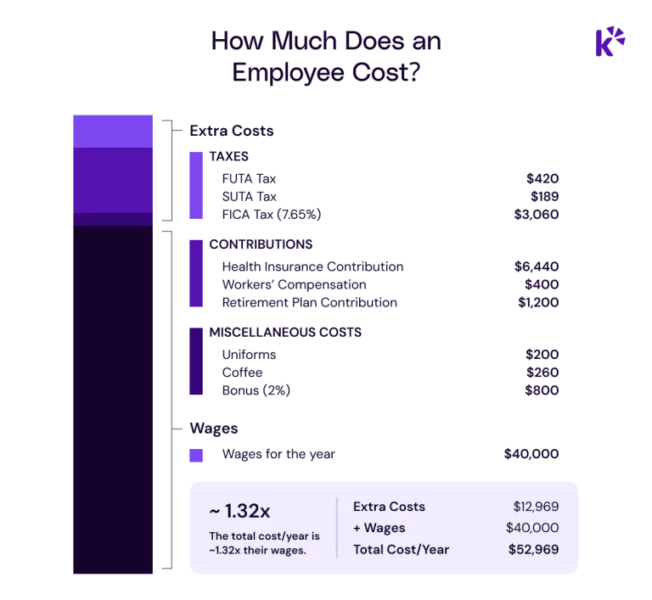
The average small employer racks up $18,700 in payroll (not including taxes and benefits), which is about 18% of all business outflows. When you include everything, payroll typically consumes about 22% of your business expenses.
Monthly payroll depends on your sector: restaurants spend around $11,700 a month, high-tech services spend as much as $36,600. For most, payroll costs run between 15–30% of revenue.
Industry, geography, and your business model all play a part. Operating in high-wage metropolitan areas raises payroll costs quickly. Managing staff across multiple states means navigating a complex web of tax rates and compliance requirements. And if you offer top-tier benefits, that number’s only going up.
Hidden payroll costs you might miss
- Rising insurance premiums: Health insurance premiums are one of the fastest-growing payroll expenses. Over the past five years, premiums have increased by about 19% for many small businesses. Businesses making under $600,000 annually now spend roughly 12% of their payroll on health insurance premiums, which can significantly impact your overall labor costs and profitability.
- Overtime and scheduling inefficiencies: Poor scheduling practices often lead to unexpected overtime, which adds a hefty premium on top of regular wages. Overtime pay can quietly spike your payroll expenses if you don’t actively manage workforce scheduling and labor hours.
- Training and onboarding expenses: Bringing new employees up to speed costs more than just their salary during training periods. You also invest in materials, manager time, and lost productivity while your workforce adjusts, all of which add to your effective payroll costs.
- Employee turnover costs: High turnover rates increase recruiting and hiring expenses, as well as ongoing training and decreased productivity from staff transitions. Turnover-related costs can quickly add up, creating a persistent, hidden payroll expense that small businesses frequently overlook.
- Compliance and penalty risks: Failure to properly classify employees, meet tax deadlines, or comply with labor laws can result in costly fines and administrative burdens, which directly increase your payroll-related costs and risk.
- Miscellaneous fees and charges: Hidden fees from payroll service providers, such as setup fees, off-cycle payroll charges, year-end tax form preparation, and garnishment processing, can add unexpected costs. These charges often come as surprise line items if you aren’t closely tracking all payroll-related expenses.
Factors Influencing Payroll Costs
Multiple variables affect your total payroll expenditure. Let’s look at a few of these:
- Employee count: Your total payroll costs rise directly with the number of employees you have. Most payroll providers charge per-employee fees, so more employees mean higher expenses. However, many providers offer volume discounts as your workforce grows, reducing the cost per employee for larger small businesses.
- Payroll frequency: How often you run payroll impacts your costs. Providers charging per payroll cycle make weekly payrolls more expensive than monthly ones. Some offer unlimited payroll runs in their plans, while others do not, so choosing the right frequency can help control expenses without affecting employee satisfaction.
- Geographic complexity: Operating across multiple states or localities drives up payroll costs. Each state has different tax laws, unemployment rates, and compliance requirements, increasing administrative complexity. Managing payroll for multi-state employees requires more resources and specialized knowledge, adding to your payroll expenses.
- Industry factors: Industry significantly influences your payroll costs. High-risk industries like construction face higher workers’ compensation premiums. Seasonal industries experience fluctuating payroll costs based on workforce changes, while professional services usually have more stable payroll expenses.
- Employee classification: Whether an individual is classified as an employee or contractor affects your payroll liability. Full-time employees come with employer tax withholdings and benefit costs, while contractors typically don’t. Misclassifying employees can result in legal penalties and unexpected expenses, so proper classification is critical.
How to Calculate Payroll Costs for Your Business
Calculating accurate payroll costs requires systematic data gathering and careful computation. Let’s help you get through it with a detailed step-by-step process:
- Determine your pay period: Decide how often you pay your employees: weekly, bi-weekly, semi-monthly, or monthly. This sets the timeframe for your payroll calculation.
- Calculate gross wages: Add up total gross pay for all employees within the pay period. Include:
- Regular wages or salaries
- Overtime pay
- Bonuses and commissions
- Add employer payroll taxes: Calculate mandatory employer contributions based on gross wages. These include things like:
- Social Security tax: 6.2% on wages up to $176,100 per employee annually
- Medicare tax: 1.45% on all wages, plus an additional 0.9% on wages over $200,000
- Federal Unemployment Tax (FUTA): 0.6% effective rate on the first $7,000 of wages per employee
- State Unemployment Tax (SUTA): Variable by state, typically between 2.5% and 5.4%
- Include employee benefits costs: Account for health insurance premiums, retirement plan contributions, paid time off accruals, and other voluntary benefits. These can add substantially to your total payroll cost.
- Factor in workers’ compensation insurance: Calculate premiums based on your industry classification and claims history. These costs vary but are essential for employee protection and compliance.
- Add administrative and software expenses: Include monthly payments for payroll software subscriptions, service fees, and estimated time costs for managing payroll internally or overseeing outsourced payroll.
- Calculate total payroll cost: Sum all the components above to get your total payroll liability for the business during the pay period.
- Determine per-employee cost: Divide the total payroll cost by the number of employees to understand payroll expense per employee. This helps budget for new hires and analyze profitability.
Strategies to Manage and Reduce Payroll Costs
Here are some tips and best practices to help you manage and reduce your payroll costs:
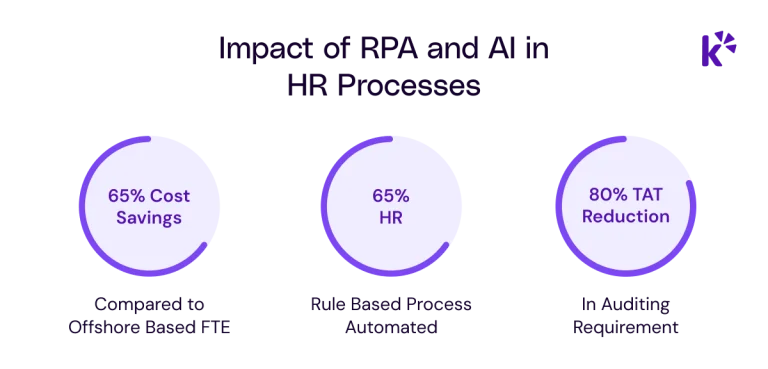
- Automate Payroll: Invest in payroll software to cut down error rates and save hours spent on manual calculations. Automation keeps taxes, benefits, and compliance on track with less effort.
- Optimize Scheduling: Avoid costly overtime by aligning staffing levels properly with demand. Use scheduling software to reduce gaps and overstaffing.
- Optimize Scheduling: Avoid costly overtime by aligning staffing levels properly with demand. Use scheduling software to reduce gaps and overstaffing.
- Outsource Payroll: Consider outsourcing to reduce the administrative burden. Outsourcing reduces risks linked to tax errors and compliance, freeing up your time for core business tasks.
- Review Benefits: Regularly review your benefits packages to balance competitiveness with costs. Negotiate with insurance providers for better rates as your business grows.
In-house vs. outsourced payroll management
Making the right choice between managing payroll in-house or outsourcing it is crucial for your business success. This decision depends on factors like your company size, internal expertise, budget, and growth plans.
In-house payroll gives you direct control over every detail. You manage payroll processes with your own staff, which requires investment in software, ongoing compliance monitoring, and knowledge of tax laws and wage calculations. This approach offers flexibility and customization but demands time, training, and resources.
Outsourced payroll lets experts handle the entire payroll process, from calculations to tax filing. They reduce your risk of costly errors, keep you compliant with changing regulations, and scale easily as you grow without burdening your internal resources. Outsourcing saves time and headache while providing professional oversight.
With all these benefits and more, Keka HR is the perfect tool to simplify payroll management. Outsourcing your payroll to Keka ensures accuracy, compliance, and scalability—helping you focus on what matters most: growing your business.
Key Differences Between In-House and Outsourced Payroll
| Feature |
In-House Payroll |
Outsourced Payroll |
| Control |
Full control and customization |
Limited control, relies on provider |
| Cost |
Higher upfront and ongoing costs (staff, software, training) |
Usually lower, pay-as-you-go model |
| Expertise Required |
Requires internal tax and payroll knowledge |
Provider brings specialized expertise |
| Compliance Risk |
Higher risk if not managed well |
Reduced risk through expert oversight |
| Scalability |
Challenging and costly |
Easy to scale with business growth |
| Time Investment |
Significant staff time required |
Saves internal time and resources |
Key Payroll Taxes Employers Must Pay
- Social Security & Medicare (FICA): You must withhold and match these taxes on all wages. Applies to household employees paid $2,800 or more annually in 2025.
- Federal Unemployment Tax (FUTA): Paid if you pay $1,000+ in cash wages in any quarter. Tax rate is 6% on the first $7,000 of wages, typically reduced to 0.6% with state credits.
- Federal Income Tax: Withheld only if an employee asks and you agree.
- State Taxes: Can include unemployment, disability, and income tax, varying widely by location.
- Deadlines: File W-2 forms to employees and SSA by February 2, 2026; Schedule H by April 15, 2026.
Manage Your Payrolls Perfectly With Keka HR
As a small business, you need to manage your payroll costs. Otherwise, it’ll adversely affect your financial health and growth. There’s a ton of stuff you need to track, like wages, taxes, benefits, and compliance.
With so much on your plate, things can get really overwhelming and prone to errors. That’s where Keka HR comes in.
Keka gives you an all-in-one, cloud-based HR and payroll platform. It automates every step of payroll processing and makes sure that you stay 100% compliant.
It can handle payroll taxes and benefits and also simplify attendance and performance management. This way, you can focus on what really matters for you.
Don’t let the payroll headaches become a real issue for your business. Explore how Keka HR can transform your payroll and people management today. Get a free trial today.


 Login
Login




 Payroll Suite
 HR Suite
 Talent Suite
 Project Services Suite