


 Login
Login


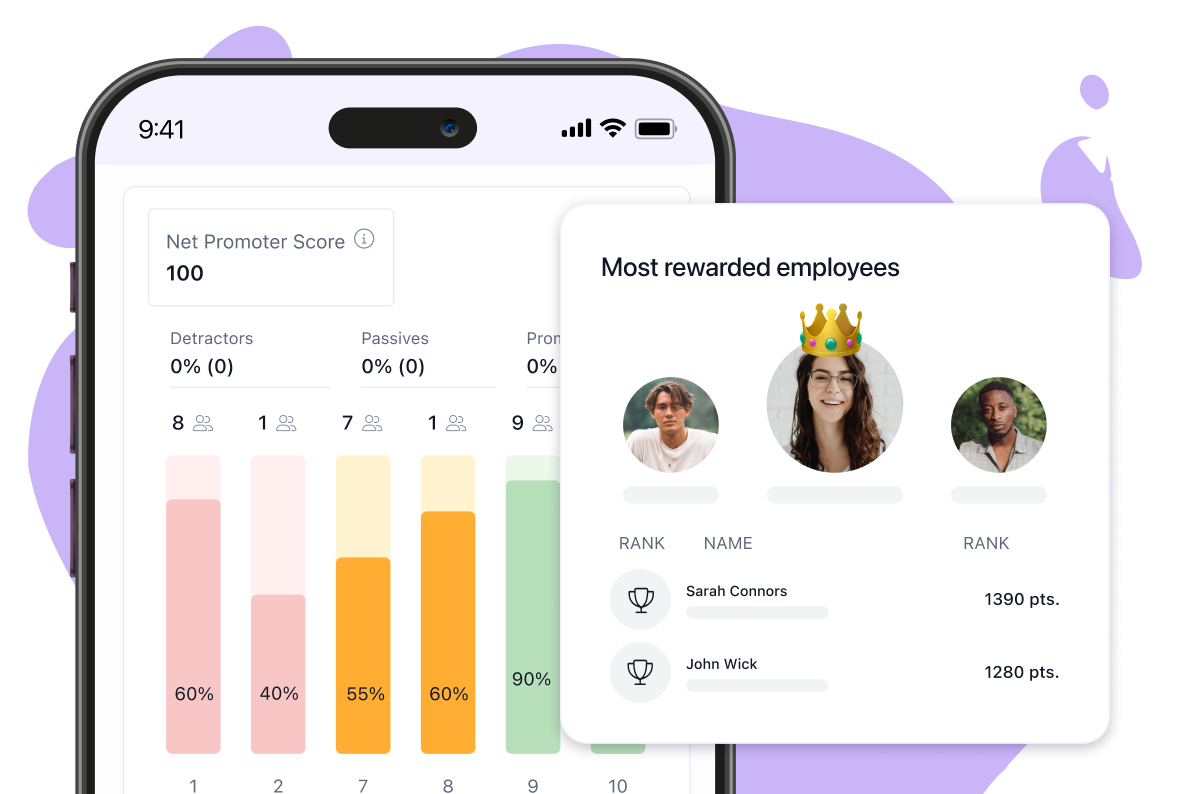
Your best performers are quietly job hunting. You’re seeing resignation emails from people you thought were happy. Slack channels where engagement feels forced, and team meetings where half the room seems mentally checked out. Remote workers barely participate, productivity is dropping, and you have no early warning system.
The 2024 Gallup’s State of the Global Workplace Report shows that only 21% of employees are engaged in the workplace, down from 23% in 2023.
Now, the question is, what are you doing to actually understand why people are disengaging? Most companies send quarterly pulse surveys and hope for honest responses.
But real insight comes from continuous feedback loops, anonymous channels, and tools that spot warning signs before resignation letters hit your desk.
In this guide, we will review the top employee engagement software for 2026, including their features, pricing, and limitations, to help you find the right fit.
Research Methodology: How I Evaluated Employee Engagement Software
When reviewing engagement platforms, I focused on what HR teams and managers actually need to prevent turnover and build genuine workplace satisfaction. The goal was to identify software that goes beyond basic surveys to provide real-time insights and actionable data.
- Anonymous feedback mechanisms: Effective platforms offer multiple ways for employees to share honest feedback without fear of retaliation – anonymous surveys, suggestion boxes, and confidential channels that encourage authentic responses.
- Real-time pulse tracking: I prioritized tools that capture engagement continuously rather than relying on quarterly check-ins. Features like mood tracking, quick polls, and sentiment analysis help spot issues before they escalate.
- Manager actionability: Robust engagement software provides managers with actionable insights, not just survey numbers. Dashboards highlight at-risk employees, show engagement trends, and recommend interventions that help managers respond effectively.
- Remote and hybrid team support: With distributed workforces, I evaluated how well platforms connect remote employees, facilitate virtual team building, and ensure distant workers don’t get overlooked in engagement initiatives.
- Predictive analytics and early warning systems: I favored tools that identify disengagement patterns, predict flight risk, and alert managers to potential retention issues before employees mentally check out.
- Cultural assessment capabilities: Beyond individual satisfaction, I reviewed whether platforms measure team dynamics, psychological safety, belonging, and other cultural factors that drive long-term engagement.
- Integration with HR workflows: I considered how seamlessly each platform connects with existing HRIS systems, performance management tools, and communication platforms to avoid creating data silos.
- Employee adoption and ease of use: All the features become useless if employees don’t use the employee engagement software. I prioritized platforms with intuitive interfaces, mobile accessibility, and low friction for ongoing participation.
Best Picks for Employee Engagement Software
Here are our best picks for employee engagement software in 2026. Each platform has been evaluated based on real-world effectiveness in improving retention, gathering honest feedback, and providing actionable insights for managers.
1. Keka
Keka is the best employee experience management platform that helps companies track engagement through pulse surveys, mood tracking, and continuous feedback loops. It connects engagement data with performance metrics and HR workflows to give managers visibility into team satisfaction and early warning signs of disengagement.


Key Features of Keka Employee Experience Software:
- Pulse Surveys: Capture real-time sentiment with automated, customizable surveys that keep a steady pulse on employee morale.
- Mood Tracking: Visualize team energy through live mood indicators and sentiment analysis to catch issues early.
- Anonymous Feedback: Give employees safe, confidential channels to share feedback and suggestions without hesitation.
- Manager Dashboards: Turn data into action with insights that flag at-risk employees, reveal trends, and recommend interventions.
- Engagement Analytics: Link engagement scores with performance data to identify what drives productivity and retention.
- Recognition and Rewards: Strengthen workplace culture with peer-to-peer recognition tied directly to engagement outcomes.
- Exit Interview Management: Analyze structured exit feedback to uncover patterns and reduce future attrition.
- Mobile Engagement: Keep employees connected with on-the-go surveys and feedback tools right from the mobile app.
| Pros | Cons |
|---|---|
| Integrated with HR workflows reduces data silos . | Limited customization for complex engagement models |
| Real-time dashboards help managers take quick action | May feel overwhelming for smaller teams |
| Anonymous feedback encourages honest responses | |
| Mobile accessibility improves participation rates |
Ideal For:
Mid-sized companies (100-1,000 employees) that want employee engagement integrated with their existing HR and performance management systems.
Pricing:
- Foundation: $9/employee/month
- Strength: $16/employee/month
- Growth: $22/employee/month
Expert’s Opinion
Keka makes employee engagement actionable by connecting it directly with HR workflows. Managers don’t have to juggle separate tools to understand why engagement scores are dropping. Instead, they can see correlations with performance, attendance, and career progression in one dashboard. The anonymous feedback channels encourage honest responses, and mobile access keeps remote teams connected.
2. Bonusly
Bonusly employee engagement software centers on peer-to-peer recognition to strengthen workplace engagement. The platform allows employees to give each other small rewards and recognition points, creating visibility into contributions that might otherwise go unnoticed. It connects recognition data with engagement insights through regular pulse surveys.

Key Features of Bonusly:
- Peer Recognition: Point-based system for employees to recognize each other’s contributions
- Custom Rewards Catalog: Redeemable rewards including gift cards, company swag, and experiences
- Analytics Dashboard: Recognition trends and participation rates across teams
- Pulse Surveys: Regular engagement check-ins tied to recognition patterns
| Pros | Cons |
|---|---|
| Simple interface encourages regular participation | Recognition-focused approach may not capture deeper engagement issues |
| Peer recognition increases visibility of contributions | Rewards budget can add up for larger organizations |
| Integration with Slack and Teams makes adoption easier | Limited analytical depth compared to dedicated engagement platforms |
| Customizable reward options suit different employee preferences | May feel superficial if not combined with other engagement initiatives |
Ideal For:
Companies looking to improve engagement through recognition and wanting to increase visibility of employee contributions.
Pricing: Custom pricing based on your team size and needs
Expert’s Opinion
Bonusly works well for companies where recognition gaps are a major engagement issue. The peer-to-peer system can uncover contributions that managers miss, and the simple interface gets high adoption rates. However, it’s more of a recognition tool with engagement features than a comprehensive engagement solution.
3. Lattice
Lattice combines performance management with engagement tracking, positioning itself as a people success platform. It includes engagement surveys, goal tracking, and performance reviews in one system to allow managers to see connections between engagement scores and performance outcomes.

Key Features of Lattice:
- Engagement Surveys: Customizable pulse surveys and annual engagement assessments
- Performance Reviews: 360-degree feedback integrated with engagement data
- Goal Tracking: OKR management connected to employee satisfaction metrics
- Manager Tools: Coaching recommendations based on engagement and performance trends
| Pros | Cons |
|---|---|
| Links engagement data directly with performance management | Can feel process-heavy for teams preferring lightweight tools |
| Strong analytics help identify engagement-performance correlations | Higher price point compared to standalone engagement tools |
| Goal alignment features connect individual purpose with company objectives | Set up requires significant time investment from HR teams |
| Regular feedback cycles catch engagement issues early | May encourage over-surveying if not managed carefully |
Ideal For:
Growing companies that want to connect employee engagement with performance management and goal alignment.
Pricing:
- Performance Management: $11/employee/month
- Engagement: $4/employee/month
- Full Platform: $15/employee/month
Expert’s Opinion
Lattice appeals to companies that see engagement and performance as interconnected. It tracks how engagement affects goal achievement and review scores. The platform feels more structured than pure engagement tools, which works well for organizations that want systematic approaches to people management. However, teams looking for quick, lightweight engagement tracking might find it over-engineered for their needs.
4. Quantum Workplace
Quantum Workplace’s employee engagement platform is built around engagement measurement and action planning for mid-sized organizations. It helps turn survey data into clear improvement initiatives, giving managers tools to create and track action plans based on their team’s feedback.

Key Features of Quantum Workplace:
- Insightful Engagement Metrics: Use validated surveys and benchmark data to understand where your team really stands
- Action Planning Tools: Guided templates help managers develop and track improvement plans effectively
- Continuous Feedback Channels: Real-time feedback options keep insights fresh and relevant outside formal survey cycles
- Leadership Development: Manager training and coaching resources to improve engagement through better supervision
| Pros | Cons |
|---|---|
| Strong focus on turning data into actionable improvement plans | Interface feels less modern compared to newer engagement platforms |
| Benchmark data helps contextualize engagement scores | Limited integration options with other HR systems |
| Manager training resources support engagement skill development | Survey fatigue can occur with frequent pulse requests |
| Scientific approach to survey design improves data quality | Pricing structure can be complex for multi-location organizations |
Ideal For:
Mid-sized companies that want structured approaches to engagement improvement with strong manager support and training.
Pricing: Pricing available on request
Expert’s Opinion
Quantum Workplace uses a methodical, framework-driven approach. It delivers strong action planning tools and practical manager training, which ensures survey results lead to measurable improvements. At the same time, the platform lacks modern design, advanced analytics, and newer engagement features, which makes it feel traditional compared to more innovative options.
5. Motivosity
Motivosity combines social recognition with engagement measurement, creating a platform where peer appreciation drives engagement insights. Employees can give each other micro-bonuses and public recognition, while managers receive engagement data based on recognition patterns and pulse feedback.

Key Features of Motivosity:
- Social Recognition: Enable peer-to-peer appreciation with micro-bonuses that feel authentic and meaningful.
- Engagement Pulse Surveys: Trigger quick surveys based on recognition patterns to uncover early signs of disengagement.
- Team Connection Tools: Strengthen workplace relationships with features that promote real connections between colleagues.
- Manager Insights: Provide leaders with analytics that link recognition and feedback to overall engagement.
| Pros | Cons |
|---|---|
| Social recognition creates an authentic appreciation culture | Micro-bonus system requires careful budget management |
| Real-time engagement insights from recognition patterns | May not surface deeper systemic engagement issues |
| Strong focus on building interpersonal connections | Platform effectiveness depends heavily on participation rates |
| Simple interface encourages consistent employee usage | Limited customization for complex organizational structures |
Ideal For:
Companies wanting to build connection-driven cultures through recognition and social engagement.
Pricing: Flexible plans designed for growing companies
Expert’s Opinion
Motivosity centers on peer recognition and genuine connections at work. The micro-bonus model feels authentic, and public appreciation often lifts morale. Insights from recognition patterns act as early warnings when appreciation declines. On the downside, it works best in cultures that already value recognition, and small teams may find the social features forced.
6. TinyPulse
TinyPulse focuses on frequent, brief pulse surveys to track engagement trends over time. The platform sends one question per week to employees and aggregates responses to show engagement patterns, mood shifts, and areas needing attention.

Key Features of TinyPulse:
- Weekly Pulse Questions: Send one-question surveys each week to capture sentiment without overwhelming employees.
- Anonymous Suggestion Box: Provide a safe channel for sharing concerns or ideas openly and without fear.
- Engagement Trends: Track historical data to spot patterns of improvement or early signs of decline.
- Manager Coaching: Give managers practical recommendations based on team results to support better leadership.
| Pros | Cons |
|---|---|
| Brief weekly questions reduce survey fatigue | Single-question format may miss nuanced engagement issues |
| Anonymous feedback encourages honest communication | Limited integration capabilities with other HR tools |
| Historical trend data helps identify engagement patterns | Basic analytics compared to comprehensive engagement platforms |
| Low time investment makes participation easy | May feel too simplistic for organizations wanting deep insights |
Ideal For:
Organizations preferring lightweight, consistent engagement tracking without complex analytics.
Pricing: Tailored plans for small teams and large enterprises alike
Expert’s Opinion
TinyPulse employee engagement tool delivers simplicity and consistency in measuring engagement. The weekly single-question format avoids survey fatigue while still tracking mood trends. It works well for spotting sudden dips that signal broader issues. The same simplicity is also a limitation: participation stays high and trends are clear, but teams needing deeper insights may find one question per week insufficient.
7. Emplify
Emplify positions itself as an employee engagement platform built around scientific research on workplace satisfaction. It uses validated survey methodologies and provides benchmarking against industry standards, with a focus on helping managers understand the drivers of engagement within their specific teams.

Key Features of Emplify:
- Research-Based Surveys: Use scientifically validated questions to measure the true drivers of engagement.
- Benchmark Comparisons: Compare scores against industry and demographic benchmarks to see how your organization stacks up.
- Manager Action Plans: Get clear recommendations that help managers turn survey insights into measurable improvements.
- Engagement Drivers Analysis: Identify the factors with the greatest impact on engagement to guide strategic action.
| Pros | Cons |
|---|---|
| A scientific approach provides credible engagement measurement | Survey methodology can feel rigid for dynamic organizational needs |
| Benchmark data helps contextualize results | Higher learning curve for managers unfamiliar with engagement science |
| Focus on action planning turns insights into improvement initiatives | Premium pricing may not fit smaller organization budgets |
| Detailed driver analysis reveals root causes of engagement issues | Implementation requires significant HR team involvement |
Ideal For:
sized to large organizations wanting research-backed engagement measurement with detailed analytical insights.
Pricing:
- Engage: $4/employee/month
- Perform: $11/employee/month
- Total Platform: $16/employee/month
Expert’s Opinion
Emplify’s employee engagement platform uses a scientific approach that appeals to organizations seeking credible data. Benchmark comparisons show whether engagement scores are truly strong or just surface-level. The platform requires manager buy-in and can feel academic, but companies aiming for systematic improvement will value its rigor.
8. Zimyo
Zimyo offers an all-in-one HR platform with employee engagement features tailored for growing companies in India and Southeast Asia. It combines engagement surveys with performance tracking, attendance management, and communication tools in a single platform designed for companies transitioning from manual HR processes.

Key Features of Zimyo:
- Pulse Surveys: Automate customizable surveys to capture real-time sentiment and spot trends early.
- Employee Self-Service Portal: Give employees a direct space for feedback, suggestions, and participation in engagement activities.
- Team Communication Tools: Enable seamless internal messaging and announcements to keep everyone connected.
- Engagement Analytics: Track participation and satisfaction through dashboards that highlight actionable insights.
| Pros | Cons |
|---|---|
| Comprehensive HR platform reduces the need for multiple tools | Engagement features feel secondary to core HR functions |
| Affordable pricing for growing companies | Limited advanced analytics compared to specialized engagement tools |
| Strong support for Indian labor compliance and practices | The interface can feel cluttered with so many integrated features |
| Mobile app keeps remote and field employees connected | Customization options are restricted in lower pricing tiers |
Ideal Solution for:
Growing companies in India and Southeast Asia that want basic engagement tracking integrated with comprehensive HR management.
Pricing:
- Essential: ₹80/employee/month (approx. $0.90)
- Professional: ₹120/employee/month (approx. $1.35)
- Enterprise: ₹160/employee/month (approx. $1.80)
Expert’s Opinion
Zimyo employee engagement platform appeals to companies that want HR and engagement tools in one system. It handles pulse surveys, feedback, and trend tracking effectively without complex analytics. The strength is integration with compliance and payroll, while the limitation is depth. Teams that need advanced engagement insights may eventually outgrow their capabilities.
9. FactoHR
FactoHR is an integrated HR suite that includes employee engagement tools alongside payroll, attendance, and performance management. Designed primarily for Indian companies, it offers engagement surveys, feedback collection, and basic analytics within a broader HR ecosystem.

Key Features of FactoHR:
- Employee Engagement Surveys: Run pre-built or custom surveys with automated distribution to gather consistent employee sentiment.
- Feedback Management: Provide safe, anonymous channels for suggestions and grievances to ensure every voice is heard.
- Recognition Programs: Support peer recognition with simple tools that encourage appreciation and visibility.
- Engagement Reporting: View clear analytics on survey responses and participation to identify trends without complexity.
| Pros | Cons |
|---|---|
| All-in-one platform eliminates the need for separate engagement tools | Engagement functionality is basic compared to specialized platforms |
| Cost-effective for companies needing multiple HR functions | User interface feels dated compared to modern SaaS tools |
| Strong customer support with a local understanding of Indian business practices | Limited integration capabilities with third-party tools |
| Compliance features handle Indian labor laws alongside engagement tracking | Analytics lack the depth needed for strategic engagement initiatives |
Ideal Solution for:
Small to mid-sized Indian companies wanting basic engagement measurement integrated with core HR functions.
Pricing:
- Core: ₹4999/50 employees/month (approx. $56.6)
- Premium: ₹5999/50 employees/month (approx. $68)
- Ultimate: ₹6999/50 employees/month (approx. $79)
Expert’s Opinion
FactoHR employee engagement software suits companies that want functional tracking without complex tools. Surveys and feedback cover basic measurement, and integration with payroll and attendance highlights useful patterns. It is built for practical HR management rather than advanced engagement science. Organizations needing sophisticated analytics or modern design may find it limiting, but for teams focused on HR essentials with reliable engagement tracking, it offers solid value.
10. Darwinbox
Darwinbox is a comprehensive HR platform that includes employee engagement capabilities within its suite of talent management tools. It focuses on providing engagement insights that integrate with performance management, learning and development, and career progression tracking.

Key Features of Darwinbox:
- Continuous Listening: Use ongoing pulse surveys and sentiment tracking to monitor engagement across every stage of the employee lifecycle.
- Engagement Journey Mapping: Visualize how engagement shifts from onboarding to career progression and role changes.
- Predictive Analytics: Leverage AI-driven insights to flag disengagement risks early and reduce attrition.
- Action Planning Workflows: Equip managers with structured steps to act on survey results and resolve concerns effectively.
| Pros | Cons |
|---|---|
| Predictive analytics help identify at-risk employees before they disengage | A comprehensive platform can feel overwhelming for teams wanting simple engagement tools |
| Integration with career development shows a connection between growth and engagement | Higher price point compared to standalone engagement solutions |
| Journey mapping provides context for engagement changes over time | The implementation timeline is longer due to platform complexity |
| A strong analytics dashboard gives HR teams actionable insights | May require a dedicated administrator to manage effectively |
Ideal Solution for:
Mid-sized to large companies wanting engagement tracking integrated with comprehensive talent management and predictive analytics.
Pricing:
Plans customized to fit your organization
Expert’s Opinion
Darwinbox employee engagement platform uses predictive analytics to flag disengagement risks before they lead to resignations. Journey mapping adds value by showing how engagement shifts through onboarding, promotions, and role changes. The platform is comprehensive and best suited for organizations ready to invest in systematic talent management, while companies seeking quick fixes may find it demanding.
Best Employee Engagement Tools Comparison Chart
Choosing the right employee engagement software can be difficult because each platform is designed for different organizational needs.
Here’s a side-by-side look at the best employee engagement tools in 2026:
| Engagement Tool | Features | Best For | Pricing | G2 Rating | Free Tria |
|---|---|---|---|---|---|
| Keka |
| Mid-sized companies that want engagement tied to HR and performance workflows | Starts at $9/employee/month | 4.5/5 | Yes |
| Bonusly |
| Companies that prioritize recognition and visibility of employee contributions | Custom pricing based on your team size and needs | 4.7/5 | Yes |
| Lattice |
| Growing companies that link engagement with performance reviews and goal tracking | Starts at $11/employee/month (performance) + $4 (engagement) | 4.7/5 | Yes |
| Quantum Workplace |
| Mid-sized firms that need structured improvement plans and manager support | Pricing available on request | 4.4/5 | Yes |
| Motivosity |
| Companies aiming to build recognition-driven cultures | Flexible plans designed for growing companies | 4.7/5 | Yes |
| Tiny Pulse |
| Organizations that want lightweight, consistent engagement tracking | Tailored plans for small teams and large enterprises alike | 4.4/5 | Yes |
| Emplify |
| Larger firms seeking research-backed engagement measurement | Starts at $4/employee/month | 4.3/5 | No |
| Zimyo |
| Growing companies in India and Southeast Asia that need affordable HR + engagement tools | Starts at ₹80/employee/month (~$0.90) | 4.5/5 | Yes |
| FactoHR |
| Small to mid-sized Indian firms looking for engagement within core HR functions | Starts at ₹4999/50 employee/month (~$56.6) | 4.5/5 | No |
| Darwinbox |
| Mid to large companies that need engagement integrated with talent management | Plans customized to fit your organization | 4.4/5 | Yes |
Which Employee Engagement Tool is Best for You?
The right employee engagement software depends on your company size, culture, and how you manage people and performance. Here’s a breakdown to help you choose:
1. Small Businesses
For small businesses that want to track morale without complex systems:
- TinyPulse: A lightweight engagement app that sends quick weekly surveys. Easy to adopt and avoids survey fatigue.
- Zimyo: Affordable HR and engagement platform for growing companies in India and Southeast Asia.
- FactoHR: Practical option for small Indian firms that want engagement surveys built into their HR suite.
2. Growing SMEs
For companies scaling fast, needing structured insights and connected HR workflows:
- Keka: Strong choice for SMEs. Its engagement platform integrates pulse surveys, mood tracking, and performance data in one system.
- Motivosity: Works for companies building a recognition-driven culture with peer-to-peer appreciation.
- Quantum Workplace: Helps managers act on survey results with guided templates and improvement plans.
3. Enterprises
For large organizations managing complex teams, multiple locations, and retention challenges:
- Keka: Its employee engagement solution connects engagement analytics with attendance, career progression, and performance to give leaders a unified view.
- Darwinbox: Comprehensive engagement platform with predictive analytics and lifecycle mapping for enterprise-level talent management.
- Emplify: Research-driven employee engagement tool that benchmarks results against industry standards.
4. Remote and Hybrid Teams
For companies with distributed teams where disengagement is harder to spot:
- Keka: Cloud-based employee engagement app with mobile surveys and anonymous feedback to keep remote employees connected.
- Bonusly: A recognition platform that integrates with Slack and Teams, making it easy for distributed teams to stay engaged.
- Lattice: Combines engagement with goal tracking and performance management, suited for hybrid work models.
5. Recognition-Focused Cultures
For organizations where visibility and appreciation drive engagement:
- Keka: Ties recognition and rewards directly to engagement outcomes, helping companies strengthen workplace culture.
- Bonusly: Focused on peer recognition through a points and rewards system.
- Motivosity: Uses micro-bonuses and public appreciation to foster team connection.
Best Picks for Employee Engagement Software: Comparison Table
| Category | Software | Why It Stands Out |
|---|---|---|
| Best for Small Teams | TinyPulse | Simple employee engagement app with quick weekly surveys that track mood without overwhelming staff. |
| Zimyo | Affordable engagement platform for small and growing companies in India and Southeast Asia. | |
| FactoHR | Practical solution for small Indian firms with engagement surveys built into their HR suite | |
| Best for Growing SME | Keka | Connects pulse surveys, mood tracking, and performance data in one engagement platform, ideal for scaling teams. |
| Motivosity | Recognition-driven engagement tool that builds culture through peer appreciation. | |
| Quantum Workplace | Engagement platform with guided action plans that help managers act on survey results. | |
| Best for Enterprises | Keka | Employee engagement software that links engagement analytics with performance, attendance, and career progression. |
| Darwinbox | Comprehensive engagement platform with predictive analytics and lifecycle mapping for enterprise HR. | |
| Emplify | Research-based employee engagement solution with benchmarking against industry standards. | |
| Best for Remote and Hybrid Teams | Keka | Mobile-first employee engagement app with surveys and anonymous feedback channels to keep distributed teams connected. |
| Bonusly | Engagement software centered on peer recognition, integrated with Slack and Teams. | |
| Lattice | An engagement platform that combines surveys with goal tracking and performance management for hybrid teams. | |
| Best for Recognition-Focused Cultures | Keka | Ties recognition and rewards to engagement outcomes, helping strengthen workplace culture. |
| Bonusly | Peer-to-peer recognition tool with customizable rewards catalog. | |
| Motivosity | Engagement platform built around social recognition and micro-bonuses. |
How to Choose the Right Employee Engagement Software
Choosing the right employee engagement platform can feel overwhelming with so many tools promising surveys, analytics, and recognition features.
Here are the key factors to consider:
- Clarify your goals: Define whether your priority is reducing turnover, improving recognition, tracking sentiment, or building stronger manager-employee relationships.
- Check feedback mechanisms: Look for anonymous surveys, suggestion boxes, and real-time pulse checks that encourage employees to share openly.
- Evaluate actionability: Prioritize software that gives managers dashboards, alerts, and recommendations instead of just raw survey numbers.
- Account for remote and hybrid needs: Ensure the platform supports mobile apps, integrates with Slack or Teams, and keeps distributed employees connected.
- Look for HR integration: Engagement tools work best when they connect with HRIS, payroll, and performance management systems.
- Test ease of use: Adoption depends on simplicity. Employees should be able to participate quickly, especially through mobile apps.
- Review analytics and predictive insights: The best platforms highlight trends and even flag disengagement risks before they escalate.
- Compare pricing and trials: Engagement solutions range from lightweight apps to enterprise platforms. Free trials or pilot programs help you test what fits your needs.
Conclusion
Employee engagement tools have shifted from being nice-to-have add-ons to becoming essential for building resilient workplaces. They give leaders the visibility to spot issues early, create space for honest feedback, and make recognition part of everyday culture.
Keka is the best employee engagement software because it brings everything together in one integrated platform. Pulse surveys and mood tracking work alongside recognition features. These connect with HR and performance workflows. Managers get a real-time view of engagement with attendance and career data. This makes it easier to address issues early and create a workplace where employees feel valued and motivated.


