


 Login
Login


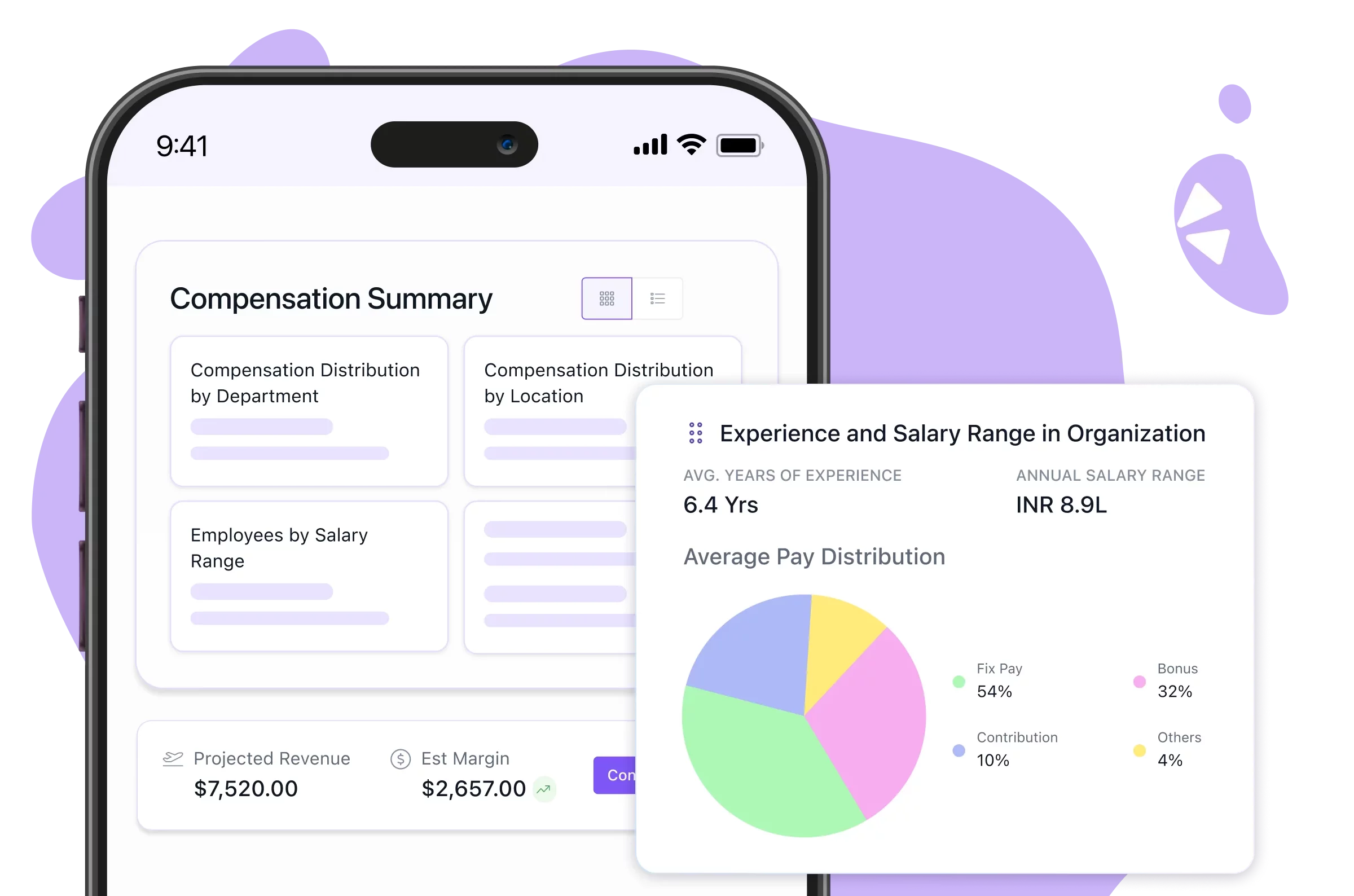
Pay decisions look simple on the surface, but they quickly become complicated once you factor in salary increases, bonuses, benefits, and equity. Each element must balance employee expectations with business budgets while staying compliant with regulations. What feels like a straightforward task often turns into a maze of competing priorities.
Without proper systems in place, small errors can spiral into pay inequities, compliance risks, or drops in employee morale. Managers are left making reactive decisions instead of following a clear strategy, and spreadsheets only make the process more error-prone.
Compensation management software changes this dynamic. It introduces structure, accuracy, and transparency into pay planning so HR teams can align rewards with performance, maintain fairness, and run review cycles efficiently.
In this guide, we’ll explore the best compensation management software in 2026, with details on features, pricing, pros and cons, and which tools are best suited for different business needs.
Research Methodology: How I Evaluated Compensation Software
I reviewed compensation platforms with the challenges HR and finance teams face every day in mind. Fair pay, budget control, and consistent salary cycles are difficult to manage without the right system.
Each platform was assessed on the following:
- Pay equity and compliance: Compensation involves sensitive and often regulated data. I prioritized tools that support pay equity analysis, offer compliance checks, and align with standards such as GDPR and local labor laws.
- Salary, bonus, and benefits planning: Strong platforms make it easy to model different pay structures, run simulations, and manage bonuses, incentives, or equity plans in one place without manual errors.
- Budget control and forecasting: I looked for tools that provide real-time visibility into pay budgets, help managers forecast compensation costs, and prevent overspending during review cycles.
- Performance alignment: Since compensation directly influences motivation, I favored platforms that link pay to performance data, promotion cycles, and career growth paths.
- Transparency and employee trust: Effective software supports clear communication, providing managers with the tools to explain pay decisions and build employee confidence in the process.
- Customization and localization: I reviewed whether platforms can handle local tax laws, benefits rules, and unique organizational policies without heavy manual setup.
- Reporting and audit readiness: I considered tools that provide clear audit trails, approval workflows, and exportable reports to support both internal HR reviews and external compliance checks.
- Scalability and integrations: Finally, I looked for platforms that grow with organizations, support global teams, and integrate with HRIS, payroll, and performance management systems.
Top 10 Compensation Management Software
Compensation management software helps organizations handle salary planning, bonuses, and pay equity with accuracy and transparency. Below are the top 10 solutions that simplify these processes and support fair, data-driven decisions.
1. Keka
Keka’s compensation management software helps HR teams plan, review, and execute pay decisions with accuracy and fairness. It allows managers to design salary structures, link rewards to performance, and keep compensation cycles transparent. The platform integrates directly with payroll to ensure that approved changes are reflected without manual effort.


Key Features of Keka Compensation Management Software:
- Centralized compensation planning: Manage salary revisions, bonuses, and incentives from one dashboard.
- Pay equity analysis: Track and maintain internal fairness with real-time insights into salary distribution.
- Budget control: Allocate budgets to managers and monitor usage at every stage of the review process.
- Performance-linked pay: Align rewards with appraisals, ratings, and role changes.
- Scenario modeling: Run simulations to test how adjustments impact budgets before finalizing.
- Approval workflows: Customize review and approval steps to fit organizational structures.
- Compliance-ready reports: Generate detailed records for audits and labor law requirements.
- Seamless payroll integration: Push approved changes directly into payroll with zero duplication.
- Employee communication: Share clear compensation letters and notifications to build trust.
Pros and Cons of Keka Compensation Management Software
| Pros | Cons |
|---|---|
| Salary revisions are easy to track, schedule, and manage with arrears support. | Mobile app offers limited functionality for compensation planning. |
| Strong analytics with comparative ratios, pay distribution insights, and forecasting. | Advanced setup for workflows and analytics may require support. |
| Seamless integration with payroll reduces errors and duplication. | |
| Flexible salary templates simplify creating optimized structures. |
Ideal For: Mid-sized and growing companies that want structured, fair, and transparent pay planning connected directly to their HR and payroll data.
Pricing:
- Foundation: $9/employee/month
- Strength: $16/employee/month
- Growth: $22/employee/month
Expert’s Opinion:
Keka’s compensation management software gives HR teams the tools to balance employee expectations with organizational budgets. Its integration with payroll reduces administrative workload, while features like pay equity checks and scenario modeling help maintain fairness and compliance. For companies seeking a structured, scalable way to manage salary cycles, Keka offers a solution that is both reliable and employee-friendly.
2. Workday
Workday’s compensation management platform is designed for large enterprises that need to manage complex pay structures across multiple regions. It supports salary, bonus, equity, and incentive planning within one unified system, with strong analytics and workforce planning tools.

Key Features of Workday Compensation Management:
- Unified planning: Manage salary, bonus, equity, and incentives in a single platform.
- Analytics and forecasting: Access real-time dashboards for budgeting, reporting, and scenario modeling.
- Global compliance: Support multi-country operations with localization and built-in compliance controls.
- Integration: Connect seamlessly with Workday HCM and payroll for end-to-end execution.
Pros and Cons of Workday Compensation Management
| Pros | Cons |
|---|---|
| Robust support for equity and long-term incentive planning | Pricing is on the higher side, especially for mid-market firms |
| Intuitive dashboards for budget forecasting and analytics | Implementation projects can take months |
| Deep integration within the Workday suite | Best suited for companies already using Workday HCM |
| Strong compliance controls for multinational operations | Requires extensive training for HR teams |
Ideal For: Enterprises with global operations that require advanced pay modeling, equity planning, and strict compliance management.
Pricing: Workday follows a quote-based model. Costs vary depending on modules, number of employees, and deployment complexity. Typically positioned at the higher end of the market.
Expert’s Opinion
Workday is excellent for large organizations that need end-to-end visibility and advanced equity planning. Its analytics and compliance features are among the strongest in the market, giving leaders confidence in pay decisions. However, smaller businesses or those not already in the Workday ecosystem may find the cost, complexity, and implementation time difficult to justify.
3. SAP SuccessFactors
SAP SuccessFactors’ compensation module helps HR teams design, model, and manage pay programs with scalability and compliance in mind. It is widely used by multinational companies that need to balance performance-linked pay with budget control and global workforce requirements.

Key Features of SAP SuccessFactors Compensation Management:
- Compensation modeling: Create and test different salary and bonus structures with budgeting tools.
- Performance-linked pay: Tie compensation directly to appraisal results and performance metrics.
- Global support: Manage multi-currency payroll and comply with local labor laws across regions.
- Integrations: Connect smoothly with SAP HR, payroll, and talent management modules.
Pros and Cons of SAP SuccessFactors Compensation Management
| Pros | Cons |
|---|---|
| Strong link between performance management and pay outcomes. | User interface feels dated compared to newer SaaS platforms. |
| Flexible modeling supports complex salary and bonus structures. | Initial configuration requires skilled SAP consultants. |
| Scalable for multinational organizations with multi-currency support. | Updates and feature rollouts can feel slower than competitors. |
| Integrates deeply with SAP HR and payroll ecosystem. | Smaller HR teams may find it overwhelming to manage. |
Ideal For: Large and global organizations already in the SAP ecosystem that need robust performance-linked pay and multi-country compliance.
Pricing: SAP SuccessFactors follows a subscription-based pricing model. Costs depend on modules selected and employee headcount, typically aligning with enterprise budgets rather than mid-market needs.
Expert’s Opinion:
SAP SuccessFactors delivers strong compensation tools for enterprises that already use SAP’s HR and payroll systems. Its performance-pay linkage and scalability make it a reliable choice for global companies. However, the complexity, slower updates, and heavier reliance on consultants may not suit smaller teams or businesses looking for a lightweight, user-friendly solution.
4. Oracle HCM Cloud
Oracle HCM Cloud offers a comprehensive compensation management module designed for enterprises that need deep analytics, flexible modeling, and integration across HR and finance. It supports salary, bonus, stock, and incentive planning, making it suitable for large and complex organizations.

Key Features of Oracle HCM Cloud Compensation Management:
- Compensation modeling: Design salary, bonus, and equity structures with advanced simulations.
- Budgeting and forecasting: Track budgets in real time and run “what-if” scenarios before approval.
- Global compliance: Manage pay cycles across multiple geographies with localization and audit tools.
- Integration: Connect seamlessly with Oracle ERP and finance systems for end-to-end alignment.
Pros and Cons of Oracle HCM Cloud Compensation Management
| Pros | Cons |
|---|---|
| Strong integration with Oracle ERP and finance systems. | It can be costly for mid-sized organizations. |
| Advanced “what-if” modeling supports complex compensation strategies. | Implementation projects are often time-intensive. |
| Scalable for global enterprises with compliance-ready features. | The user interface can feel less intuitive compared to newer SaaS platforms |
| Real-time analytics provide clear budget and forecasting insights. | Requires significant training for HR and finance teams. |
Ideal For: Large enterprises and global companies that already use Oracle systems and need advanced modeling, forecasting, and financial alignment.
Pricing: Oracle HCM Cloud follows a subscription-based pricing model. Pricing depends on modules and the number of employees, and it is generally positioned for enterprise budgets.
Expert’s Opinion:
Oracle HCM Cloud excels in scenarios where HR and finance alignment is critical. Its advanced modeling and ERP integration make it a strong choice for large organizations with complex pay cycles. However, mid-sized businesses may find the cost, implementation time, and learning curve too steep compared to more agile alternatives.
5. Ceridian Dayforce
Ceridian Dayforce offers a compensation management module built into its HCM platform. It helps organizations manage salary, bonus, and incentive plans while maintaining compliance and visibility across the workforce.

Key Features of Ceridian Dayforce Compensation Management:
- Compensation planning: Manage salary, bonus, and incentives in one platform.
- Analytics and reporting: Access insights on pay distribution, trends, and compliance risks.
- Real-time payroll integration: Ensure approved changes flow directly into payroll.
- Global compliance: Support multi-country pay cycles with audit-ready records.
Pros and Cons of Ceridian Dayforce Compensation Management
| Pros | Cons |
|---|---|
| Unified HCM platform covering compensation, payroll, and workforce management. | Implementation projects can be lengthy. |
| Real-time payroll integration reduces errors and delays. | The user interface can feel less modern compared to newer SaaS platforms. |
| Strong compliance features for regulated industries. | Custom reporting may require technical support. |
| Scalable for both mid-sized and large organizations. | Smaller businesses may find it feature-heavy. |
Ideal For: Organizations that need integrated payroll and compensation management with strong compliance controls.
Pricing: Ceridian Dayforce uses a subscription-based pricing model. Pricing varies by modules and workforce size, typically positioned at the mid-to-enterprise level.
Expert’s Opinion:
Dayforce is well-suited for organizations that value integrated payroll and compliance. Its real-time updates and audit-ready tools reduce risk, making it especially useful in regulated industries. The platform also scales well as companies grow and add more workforce complexity. However, companies seeking a lightweight or fast-to-deploy system may find the implementation time and overall complexity challenging.
6. ADP Workforce Now
ADP Workforce Now includes compensation management features designed for mid-sized businesses. It focuses on simplifying pay decisions, linking rewards with performance, and integrating seamlessly with payroll.

Key Features of ADP Workforce Now Compensation Management:
- Compensation planning: Manage salary increases, bonuses, and adjustments.
- Performance alignment: Link compensation with employee reviews and appraisals.
- Payroll integration: Ensure approved changes move directly into payroll.
- Analytics and benchmarking: Compare pay practices with industry data and internal metrics.
Pros and Cons of ADP Workforce Now Compensation Management
| Pros | Cons |
|---|---|
| Easy-to-use platform for mid-sized businesses. | Advanced analytics are less robust than enterprise tools. |
| Strong payroll integration ensures accurate execution. | Limited flexibility for complex equity or incentive plans. |
| Access to ADP’s benchmarking data for competitive insights. | Interface can feel basic compared to modern SaaS competitors. |
| Scalable from small to mid-market organizations. | Larger enterprises may outgrow their capabilities. |
Ideal For: Mid-sized companies that need straightforward compensation management integrated with payroll.
Pricing: ADP Workforce Now pricing is subscription-based and depends on modules and headcount. It is generally cost-effective for small and mid-sized businesses.
Expert’s Opinion:
ADP Workforce Now is a solid choice for companies that prioritize simplicity, payroll integration, and reliable benchmarking. Its usability makes it especially attractive for mid-sized organizations that want quick adoption without heavy training. The access to ADP’s benchmarking data also adds value for competitive pay decisions. However, businesses with complex equity programs or global pay structures may find their features too limited.
7. UKG Pro
UKG Pro (formerly UltiPro) offers a compensation management module that integrates with its HCM suite. It is designed to help HR teams streamline salary reviews, manage incentives, and improve pay transparency.

Key Features of UKG Pro Compensation Management:
- Compensation reviews: Automate salary, bonus, and incentive cycles.
- Pay equity analysis: Identify and address gaps in pay fairness.
- Budget control: Allocate budgets across managers and track spending.
- Integration: Connect with UKG payroll and HR for end-to-end management.
Pros and Cons of UKG Pro Compensation Management
| Pros | Cons |
|---|---|
| Strong pay equity analysis tools. | Implementation can be time-intensive. |
| Intuitive workflows for salary and bonus reviews. | Reporting features may require customization. |
| Integrated with UKG payroll and HR systems. | Mobile app features are more limited than desktop. |
| Good balance between usability and depth of features. | Some users report slower customer support response times. |
Ideal For: Mid-sized to large organizations that want to streamline salary cycles and strengthen pay equity practices.
Pricing: UKG Pro uses a subscription-based pricing model. Costs vary by modules and workforce size, generally aligned with mid-to-large businesses.
Expert’s Opinion:
UKG Pro stands out for its strong pay equity analysis and intuitive workflows that make salary reviews easier. It strikes a good balance between usability and feature depth, which appeals to mid-sized and larger organizations. The platform also helps companies build trust by supporting transparent compensation practices. That said, businesses with highly complex global structures may find implementation and reporting less flexible than some enterprise-focused platforms.
8. PayScale Insight
PayScale Insight is focused on compensation benchmarking and analytics. It provides HR teams with access to a vast dataset of salary information to ensure competitive pay practices and supports organizations in building transparent and fair compensation strategies.

Key Features of PayScale Insight:
- Compensation benchmarking: Access real-time market data across industries and locations.
- Analytics and insights: Evaluate pay gaps, trends, and competitiveness.
- Pay structures: Create salary ranges and structures aligned with market data.
- Integrations: Connect with HR and payroll systems for smoother workflows.
Pros and Cons of PayScale Insight
| Pros | Cons |
|---|---|
| Access to one of the largest compensation databases. | Limited advanced modeling for complex bonus or equity plans. |
| Easy-to-use interface for benchmarking salaries. | Data coverage can vary depending on niche industries or regions. |
| Supports pay transparency by aligning salaries to market benchmarks. | Integration depth is lighter than full-suite HCM platforms. |
| Strong analytics for identifying pay equity gaps. | It may not fully replace a complete compensation management system. |
Ideal For: Companies of all sizes that want reliable benchmarking and analytics to guide pay decisions.
Pricing: PayScale Insight uses a subscription model with pricing based on company size and features required. Typically positioned for small to mid-market organizations.
Expert’s Opinion:
PayScale Insight is excellent for organizations that need reliable salary benchmarking and strong analytics to build fair pay practices. Its database size and ease of use make it a go-to for HR teams focused on transparency. However, it is not a full compensation management suite, so larger enterprises with complex pay cycles may need to supplement it with additional tools.
9. Salary.com
Salary.com provides compensation management through its CompAnalyst platform. It focuses on salary benchmarking, equity analysis, and pay planning tools designed to help organizations make data-driven decisions about employee compensation.

Key Features of Salary.com Compensation Management:
- CompAnalyst platform: Centralize market data and pay ranges for role benchmarking.
- Pay equity analysis: Identify and address salary disparities across roles and demographics.
- Budgeting and planning: Model compensation costs and forecast salary budgets.
- Integrations: Connect with HRIS and payroll for smoother adoption.
Pros and Cons of Salary.com Compensation Management
| Pros | Cons |
|---|---|
| Strong reputation and reliability in compensation benchmarking. | Advanced reporting may require additional training. |
| Rich pay equity analysis tools for compliance and fairness. | The user interface can feel less modern compared to newer tools. |
| Easy access to market data for accurate salary planning. | Limited automation for large-scale compensation cycles. |
| Scales well for mid-sized and large companies. | Pricing can feel high for smaller organizations. |
Ideal For: Mid-sized to large organizations that prioritize benchmarking and pay equity in compensation planning.
Pricing: Salary.com follows a subscription-based model. Pricing is based on organization size, workforce data, and selected modules.
Expert’s Opinion:
Salary.com is a dependable option for organizations focused on benchmarking and pay equity. Its data and analytics can guide fairer and more competitive pay practices. However, companies managing highly complex or global compensation cycles may find their automation and usability limited compared to enterprise HCM platforms.
10. ChartHop
ChartHop is a people analytics platform that includes compensation management features. It emphasizes visibility and collaboration by connecting pay data with organizational structures and employee information.

Key Features of ChartHop Compensation Management:
- Compensation planning: Plan and manage salary increases, bonuses, and equity grants.
- Visualization tools: View compensation data in org charts and dashboards.
- Pay equity insights: Analyze pay gaps across roles, departments, and demographics.
- Integrations: Connect with HRIS, payroll, and performance systems for end-to-end visibility.
Pros and Cons of ChartHop Compensation Management
| Pros | Cons |
|---|---|
| Intuitive visual dashboards for compensation and org planning. | Newer platform, so some features are still evolving. |
| Strong pay equity tools support fairness and compliance. | May lack depth for highly complex, global pay structures. |
| Easy collaboration with managers during compensation cycles. | Reporting depth may not match larger enterprise suites. |
| Modern interface with strong HRIS and payroll integrations. | Implementation support can be limited outside North America. |
Ideal For: Fast-growing companies and mid-sized businesses that want collaborative, transparent compensation planning with strong visualization tools.
Pricing: ChartHop uses a subscription-based model with pricing based on company size and feature requirements. Generally positioned for mid-market businesses and startups scaling quickly.
Expert’s Opinion:
ChartHop is useful for companies that want to connect compensation with organizational data and improve visibility. Its visualization and collaboration features make it easy to involve managers in pay decisions. That said, organizations with global operations or highly complex pay structures may find it less comprehensive than established enterprise platforms.
Top 10 Compensation Management Tools: A Comparison Table
Compensation planning is critical to balancing employee expectations with business budgets. The tools below were reviewed for usability, integrations, scalability, and value.
| Tool | Key Features | Ideal For | G2 Rating | Free Trial |
|---|---|---|---|---|
| Keka |
| Mid-sized and growing companies that manage structured pay cycles and connect compensation directly with payroll | 4.5/5 | Yes |
| Workday |
| Large enterprises that manage complex multi-country pay cycles with equity and incentives | 4.6/5 | No |
| SAP SuccessFactors |
| Global enterprises already on SAP that run performance-pay programs across regions | 3.9/5 | No |
| Oracle HCM Cloud |
| Large enterprises that align HR and finance for complex pay strategies | 3.5/5 | No |
| Ceridian Dayforce |
| Mid-sized to large firms that integrate compensation with payroll and compliance | 4.1/5 | No |
| ADP Workforce Now |
| Mid-sized businesses that manage straightforward pay planning with payroll sync | 4.2/5 | Yes |
| UKG Pro |
| Mid-to-large firms that run salary cycles with equity checks and budget oversight | 4.2/5 | No |
| PayScale Insight |
| Companies of all sizes that rely on salary benchmarking and market-aligned pay ranges | 4.3/5 | Yes |
| Salary.com |
| Mid-sized to large organizations that use benchmarking and equity analysis for structured planning | 4.4/5 | No |
| ChartHop |
| Fast-growing companies that run collaborative pay planning with strong visualization tools | 4.3/5 | Yes |
Which Compensation Management Tool Is Best For You?
The right platform depends on workforce size, pay complexity, and whether compensation is tied to payroll, equity, or benchmarking.
1. Mid-sized businesses
For companies that want structured pay cycles with payroll integration and equity checks.
- Keka: Combines centralized planning, pay equity analysis, budget control, and payroll sync. HR teams can run salary revisions, model scenarios, and ensure approved changes flow directly into payroll.
- ADP Workforce Now: Provides simple pay review workflows linked with payroll and performance. Access to ADP’s benchmarking data helps companies compare compensation with industry standards.
- UKG Pro: Automates compensation reviews while adding strong pay equity analysis and budget control. Managers can run cycles with better visibility into fairness and spending.
2. Global enterprises
For organizations managing multi-country payroll, incentives, and complex equity programs.
- Workday: Supports unified salary, bonus, equity, and incentive planning in one platform. Real-time analytics, forecasting, and compliance tools make it effective for global enterprises.
- Oracle HCM Cloud: Offers advanced modeling and forecasting combined with ERP integration. Large organizations benefit from its alignment of HR and finance in compensation cycles.
- SAP SuccessFactors: Links compensation directly to performance results and supports multi-currency payroll. Scales well for multinational companies with diverse pay structures.
3. Regulated industries
For businesses where payroll accuracy, audit readiness, and compliance are critical.
- Ceridian Dayforce: Integrates compensation planning with real-time payroll so approved changes are reflected instantly. Audit-ready reports make it suitable for regulated industries.
- Keka: Provides scenario modeling and compliance-ready reporting that reduces risk during salary revisions. Its workflows help companies maintain fairness and stay audit-compliant.
4. Pay equity and benchmarking
For companies that want fair, competitive, and data-driven pay decisions.
- PayScale Insight: Offers access to one of the largest salary datasets with built-in analytics. HR teams can evaluate competitiveness and identify pay gaps quickly.
- Salary.com: Combines strong benchmarking data with equity analysis tools. Organizations use it to model budgets and correct disparities across roles and demographics.
- Keka: Adds real-time pay equity insights into day-to-day planning. This helps HR track fairness while running compensation cycles without relying on external datasets alone.
5. Fast-growing companies
For scaling teams that want modern, collaborative, and transparent compensation planning.
- ChartHop: Provides visual dashboards and org charts that connect compensation with workforce data. Managers can collaborate easily during salary reviews.
- Keka: Offers flexible templates and automated communication tools that make cycles smoother. Employees receive clear compensation letters and updates, improving transparency.
Top Picks for Compensation Management
| Category | Software | Why It Stands Out |
|---|---|---|
| Mid-sized businesses | Keka | End-to-end compensation cycle with planning, equity checks, and payroll sync. |
| ADP Workforce Now | Easy-to-use workflows with payroll integration and access to benchmarking data. | |
| UKG Pro | Automates reviews with strong pay equity and budget control features. | |
| Global enterprises | Workday | Unified planning for salary, bonus, equity, and incentives with global compliance. |
| Oracle HCM Cloud | Advanced modeling and forecasting combined with ERP and finance integration. | |
| SAP SuccessFactors | Strong performance-pay linkage with support for multi-currency payroll. | |
| Regulated industries | Ceridian Dayforce | Real-time payroll sync with audit-ready reporting for compliance-heavy sectors. |
| Keka | Scenario modeling and compliance reporting that reduce risk in salary cycles. | |
| Pay equity and benchmarking | PayScale Insight | Large salary dataset with analytics to support competitive and fair pay. |
| Salary.com | Robust benchmarking and equity analysis for structured planning. | |
| Keka | Equity insights built directly into compensation workflows. | |
| Fast-growing companies | ChartHop | Visual dashboards and collaborative tools for transparent pay planning. |
| Keka | Flexible templates and clear employee communication for scaling teams. |
How to Choose the Right Compensation Management Software
Your compensation software should fit your pay philosophy, scale with your workforce, and connect with the systems you already use. Consider these factors before making a decision:
- System integration: A platform that links directly with HR, payroll, and performance tools ensures accurate data flow and eliminates duplicate work.
- Compensation structure fit: The software should align with your pay programs, whether that means handling simple salary adjustments or managing complex equity and bonus plans.
- Global vs. local operations: Multinational firms need tools with localization, compliance support, and multi-currency functionality to manage pay cycles across borders.
- Ease of use: Intuitive workflows and mobile access make adoption easier, allowing managers to review pay decisions quickly and employees to stay informed.
- Analytics and benchmarking: Strong reporting with access to market data helps HR teams track equity, maintain competitiveness, and support transparent pay decisions.
- Scalability and cost: Evaluate not just licensing fees but also the cost of setup, training, and support, while ensuring the platform can grow with your organization.
- Vendor support and community: Reliable customer service and an active user community provide guidance, best practices, and smoother adoption.
Conclusion
Compensation is one of the strongest signals of how an organization values its people. Well-managed pay practices build trust, improve retention, and reinforce fairness, while poor processes create disengagement and compliance risks. Having the right software ensures every pay decision is accurate, transparent, and aligned with both employee expectations and business goals.
Among the tools compared, Keka is the strongest fit for mid-sized and growing businesses. Unlike enterprise-heavy platforms that are costly to implement or benchmarking-only tools that lack execution, Keka combines planning, equity analysis, payroll integration, and communication in one system.


