Login
Login

SWOT Analysis: Definition, Examples and Templates



PRODUCTS
 Payroll Suite
 HR Suite
 Talent Suite
 Project Services Suite
Meet the platform tailored to your business
Core system of record
One platform for the entire employee journey

BY INDUSTRY
BY COMPANY SIZE
LEARN
EXPLORE KEKA
A SWOT analysis helps teams look at strengths, weaknesses, opportunities and threats. It allows teams to make decisions based on facts and data of guesses. This tool is not just, for strategy meetings. It is also used in workforce planning, team alignment, risk assessment and resource allocation. It supports both HR and business leadership. This guide explains what a SWOT analysis is. It covers the goals of a SWOT analysis and the main parts. It also shows when to use a SWOT analysis and how to run one step by step.
SWOT Analysis is a model that helps organizations and individuals identify their Strengths, Weaknesses, Opportunities, and Threats. It enables businesses to assess internal and external factors affecting their performance and competitive position. The purpose of SWOT analysis is to help companies make informed decisions, develop effective strategies, and capitalize on their advantages while mitigating potential risks.
Whether you’re new to SWOT analysis or have used it before, this blog is for you. We’ll explore what SWOT analysis is, its components, objectives, and strategies for effective implementation. Let’s dig right in.
SWOT analysis is an overall evaluation of the strengths, weaknesses, opportunities, and threats that the company has.
– Kotler and Armstrong (2008)
A SWOT analysis of a company is a strategic planning method that examines an organization’s internal and external factors to shape its business strategy. It provides a complete picture of the company’s position in its market and industry and helps make informed decisions regarding business plans.
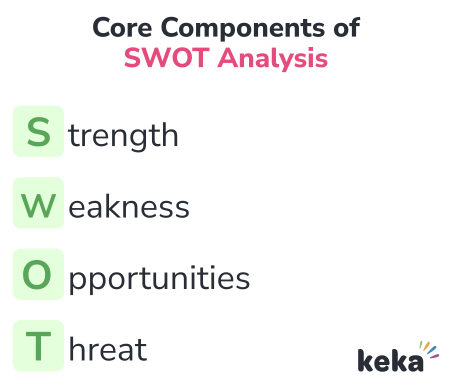
The four elements of SWOT analysis are:
Some experts also consider a fifth element: the central position where these four intersect, making it one of the 5 elements of SWOT analysis.
When done right, SWOT analysis can help create business strategies, identify competitive advantages, anticipate risks, and improve resource allocation.
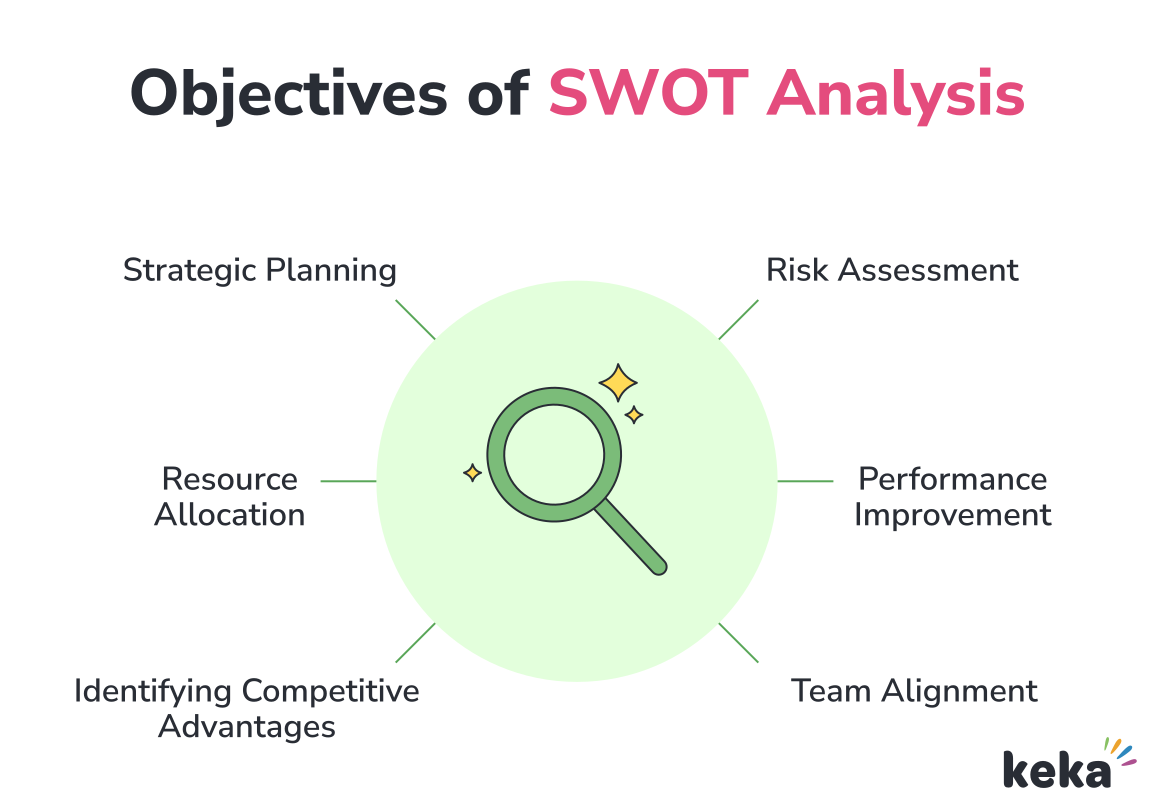
SWOT analysis provides a framework for developing effective business strategies by evaluating internal and external factors. It helps organizations align their capabilities with market opportunities and create action plans that leverage strengths while addressing weaknesses.
It helps organizations recognize what sets them apart and makes them better than their competitors. This allows businesses to focus on and enhance their differentiators, potentially increasing market share and customer loyalty.
SWOT analysis enables businesses to anticipate and prepare for potential threats. Companies can create a proactive risk mitigation and contingency plan to improve their resilience in challenging market conditions.
It guides companies in allocating resources more effectively by focusing on areas of strength and opportunity. This optimizes the use of human, financial, and technological resources to maximize business impact.
The process promotes a shared understanding of the organization’s position among team members, fostering collaboration. It encourages diverse perspectives and helps create a unified vision for the company’s future.
By highlighting weaknesses, SWOT analysis helps identify areas for improvement and growth within the organization. This leads to targeted improvement initiatives, whether in operational efficiency, product development, or customer service.
SWOT analysis consists of four core components: strengths, weaknesses, opportunities, and threats. These can be categorized into two categories: internal (strengths and weaknesses) and external (opportunities and threats).
Internal factors are attributes within the organization that can impact its performance.
1. Strengths
Strengths include the factors that give a business a competitive edge. These positive aspects help achieve business goals and outperform peers.
SWOT strengths examples include,
2. Weaknesses
Weaknesses are factors that place the business at a disadvantage. These areas require improvement to enhance competitiveness and performance.
SWOT weaknesses examples include,
External factors are elements outside the organization that can influence its performance.
1. Opportunities
Opportunities are external factors that the company can use to its advantage. These favorable conditions in the business environment can drive growth and improve performance.
SWOT opportunities examples include,
2. Threats
Threats are external elements that prevent businesses from achieving their goals. These potential challenges or risks in the external environment may harm the company’s performance if not addressed.
SWOT threats examples include,
There are several advantages of SWOT analysis, including improved focus on business aspects, better risk management, and performance benchmarking. That said, let’s understand why is SWOT analysis important.
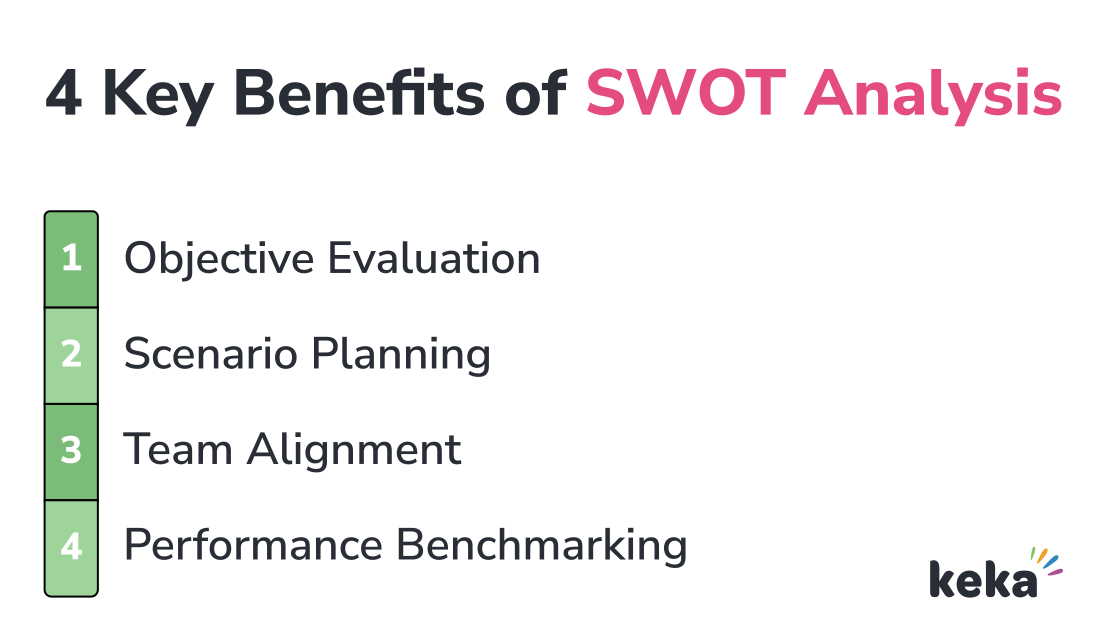
SWOT encourages a candid, data-driven assessment of an organization’s current state. This reduces bias in decision-making processes.
Regular SWOT analyses allow organizations to monitor progress over time. This continuous assessment aids in adjusting strategies to ensure business continuity.
SWOT provides a basis for creating diverse strategic plans. This enables organizations to remain flexible and responsive to future challenges and opportunities.
SWOT analysis promotes a shared understanding of the organization’s position among team members. This fosters cross-functional communication and helps create a unified vision for the company’s future.
You should use SWOT analysis when launching new products, entering new markets, during crises, and for investor pitches. These situations often present new SWOT analysis opportunities that companies can leverage for growth.
Conducting a SWOT analysis requires careful planning and execution to yield valuable insights. Follow these steps to conduct an effective SWOT analysis of a company.
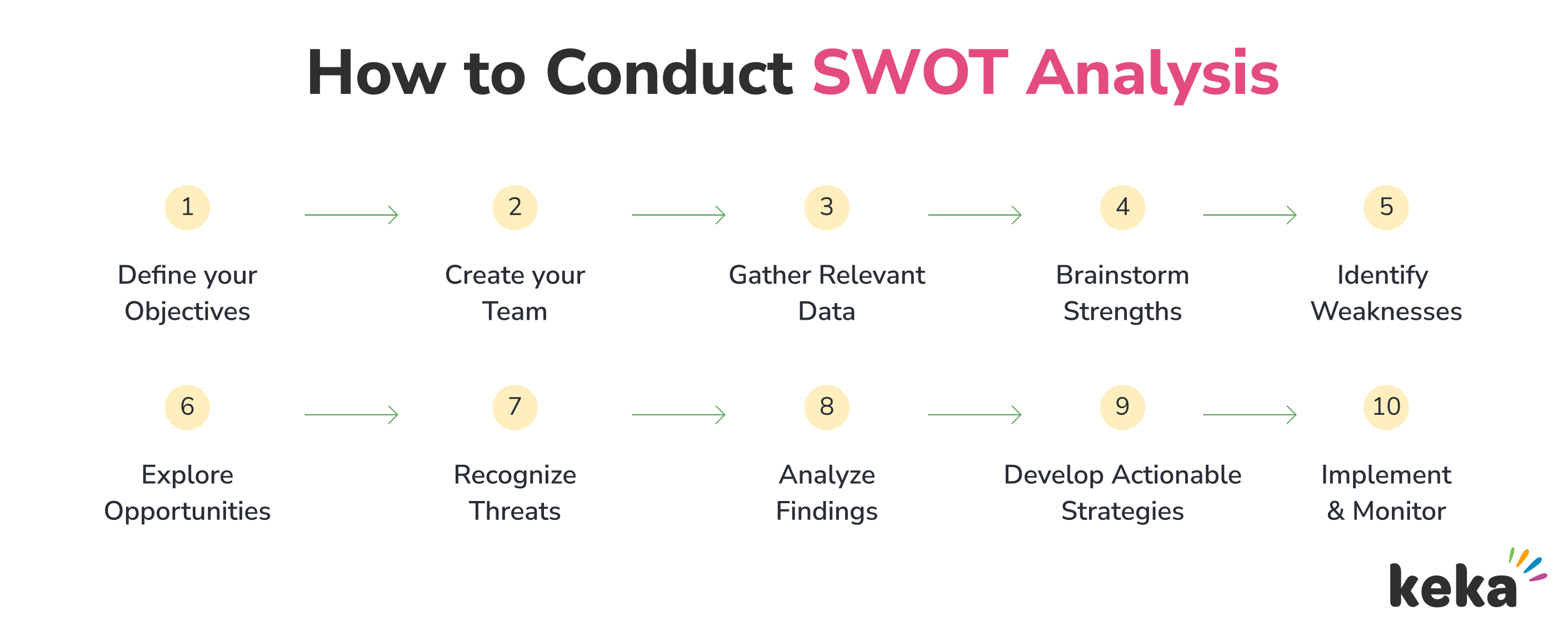
Clearly state the purpose of your analysis and specify its scope. This could be for the whole organization, a specific project, or a product line. For example, you might aim to evaluate your new product launch strategy for the upcoming fiscal year.
Create a diverse group of 5-7 key stakeholders from different departments. Include both senior management and front-line employees to get a comprehensive view. You can also consider inviting an external consultant to provide an unbiased perspective.
Conduct market research, analyze financial reports, and review customer feedback. Use tools like Google Trends, industry reports, and competitor analysis. Aim for a mix of qualitative and quantitative data to support your analysis.
List your company’s core competencies, unique resources, and competitive advantages. Consider factors like proprietary technology, strong brand recognition, exclusive partnerships, or exceptional talent.
Employ anonymous employee surveys or suggestion boxes to encourage honest feedback about weaknesses. Prioritize these weaknesses based on their impact on business objectives and feasibility of improvement.
Assess external factors like market trends or technological innovations that could benefit your business. Consider macro trends like demographic shifts, technological advancements, or changes in consumer behavior that could create new opportunities for your business.
Conduct a PESTLE analysis (Political, Economic, Social, Technological, Legal, Environmental) to identify potential threats in your business environment. Assess the likelihood and potential impact of each threat.
Use a TOWS matrix to cross-reference your internal and external factors of SWOT analysis. This will help you develop strategies that use strengths to capitalize on opportunities and mitigate threats while also addressing weaknesses.
Create a strategic roadmap with short-term (3-6 months), medium-term (6-18 months), and long-term (18+ months) goals. Assign SMART (Specific, Measurable, Achievable, Relevant, Time-bound) objectives to each strategy.
Establish key performance indicators (KPIs) for each strategy. Set up a regular review process, such as quarterly strategy meetings, to track progress and make necessary adjustments.
While SWOT analysis is a powerful tool, its effectiveness can be compromised by common errors. Recognizing and avoiding these mistakes ensures that your analysis provides actionable insights for strategic planning. Here are key pitfalls to watch out for and how to sidestep them.
Avoid listing too many factors under each SWOT category. Focus on the top 3-5 elements that have the greatest impact on your business for a more focused and actionable analysis.
Replace generic terms like “quality” with specific issues or advantages. For instance, instead of saying “quality,” mention “high defect rates in production” to provide clearer insights.
Highlight the reasons behind strengths or weaknesses rather than just the outcomes. For example, instead of listing “#1 market share,” describe the underlying causes, such as “effective sales strategies” or “high investment in marketing.”
Highlight factors you can control from those you can only influence. Internal factors that you can manage should be listed as strengths or weaknesses, while external factors that affect but are outside your control should be considered opportunities or threats.
Quantify opportunities and threats whenever possible to understand their relative size and impact. For example, specify potential market size or competitive spending ratios. If exact numbers aren’t available, provide estimates to guide strategic decisions.
Now that we know what SWOT analysis is, its components, benefits, and how to perform it, let’s look at some of the best SWOT analysis examples.
Audi, a premium automotive brand, has established itself as a key player in the luxury vehicle market. Its strong brand image and global presence contribute to consistent sales growth.
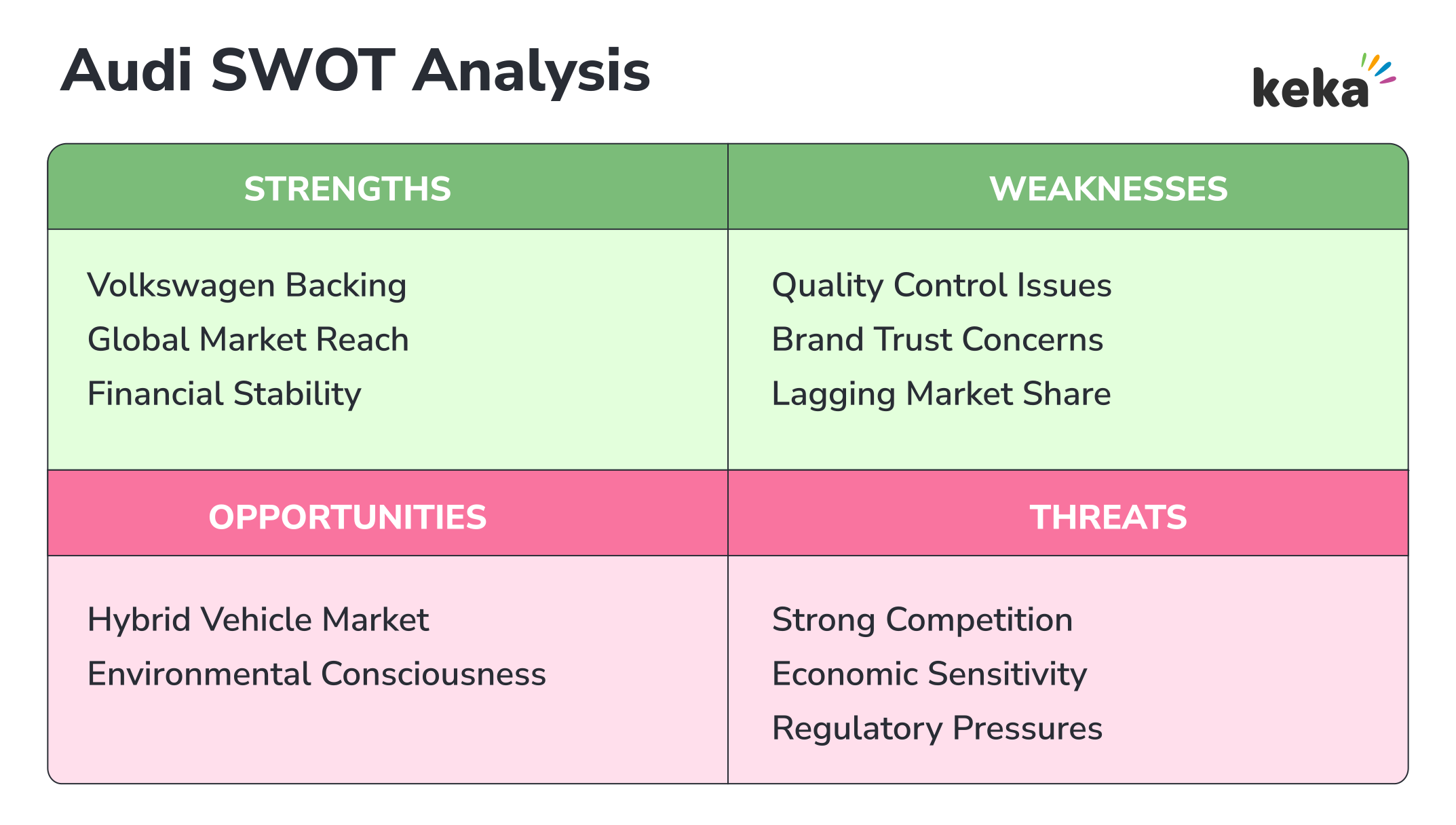
Based on this SWOT analysis, Audi could focus on leveraging its financial stability and global presence to accelerate its development of hybrid electric vehicles, addressing the growing environmental consciousness in the market.
Simultaneously, the company should prioritize improving its quality control processes to reduce recalls and rebuild consumer trust. To combat the threat of economic downturns, Audi might diversify its product range to include more affordable luxury options while maintaining its premium brand image.
Netflix is a leading streaming service that has changed how people consume entertainment. Its innovative approach and vast content library have contributed to its global success and market dominance.
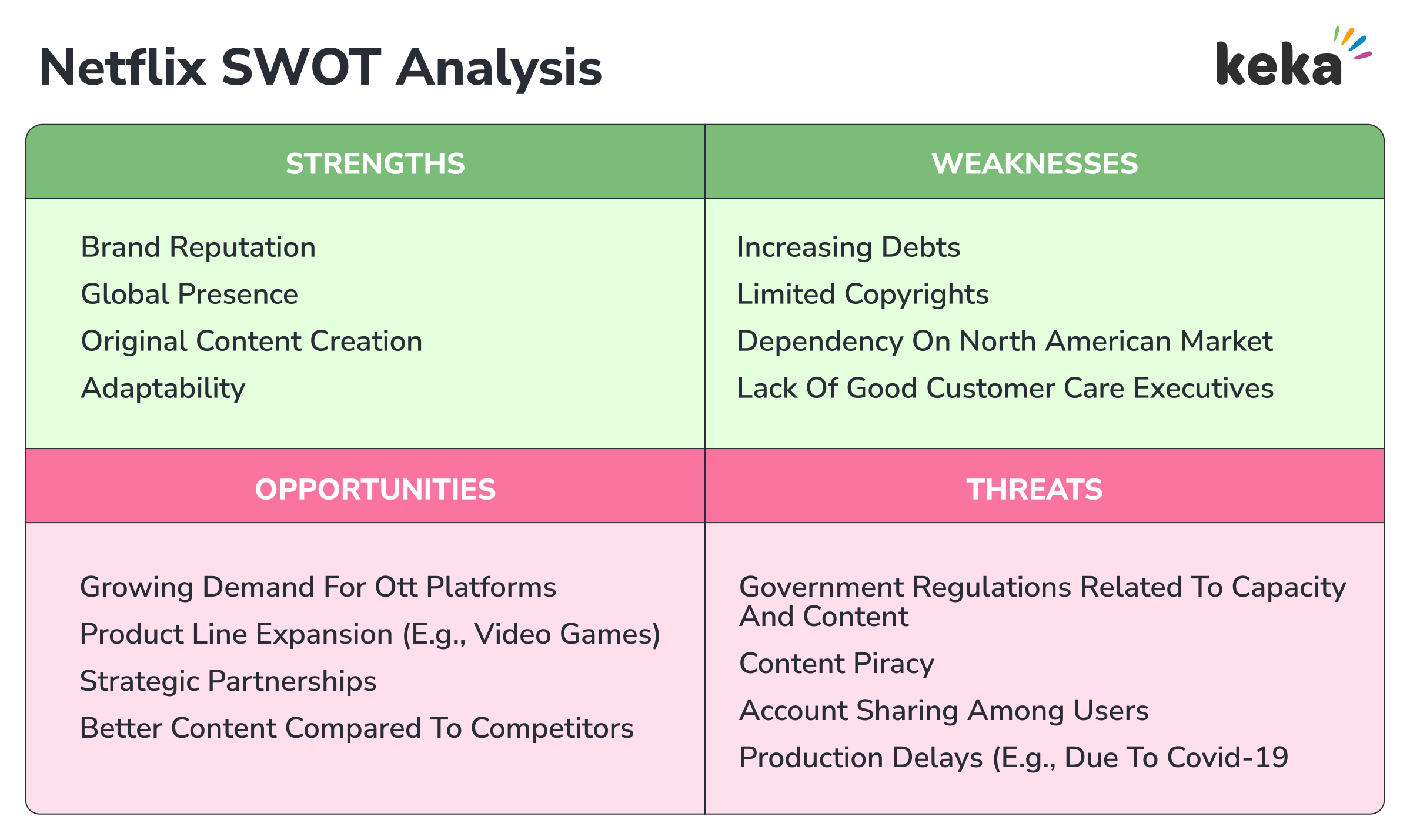
Based on this SWOT analysis, Netflix could leverage its strong brand reputation and global presence to further expand its market share. The company should focus on creating more original content to reduce dependency on licensed material and differentiate itself from competitors.
To address its weaknesses, Netflix might consider improving its customer service and diversifying its revenue streams to manage increasing debts. To mitigate threats, Netflix has already addressed the issue of account sharing by implementing stricter policies.
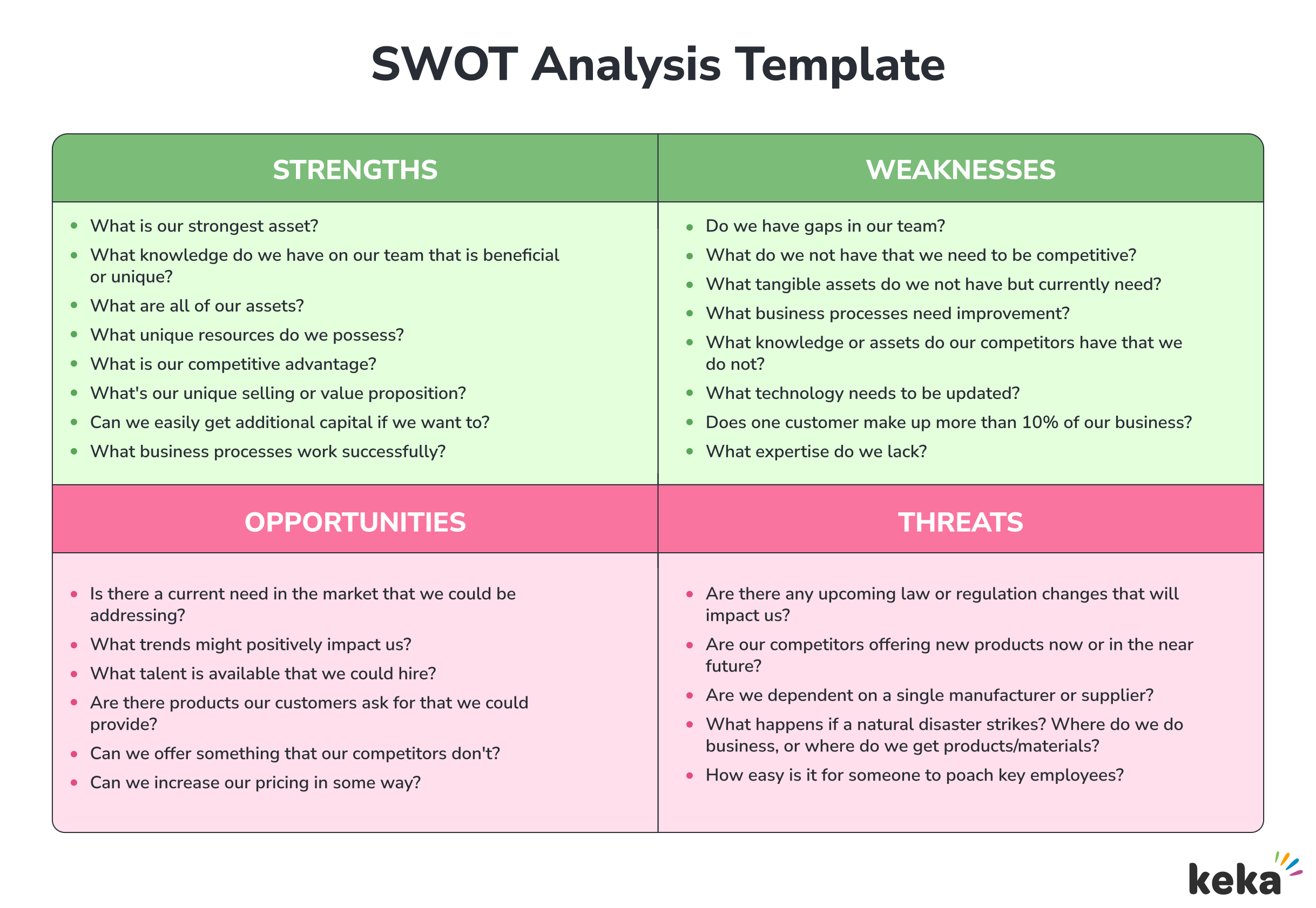
Before you begin your SWOT analysis, use this template as a guide. These questions will help you identify key factors affecting your business across all four SWOT categories. Adapt the questions to fit your specific industry and organizational needs, and remember to be honest and thorough in your responses for the most valuable insights.
SWOT analysis is a versatile strategic planning tool that empowers organizations to make informed decisions. By systematically evaluating internal strengths and weaknesses alongside external opportunities and threats, businesses can develop targeted strategies for growth and resilience.
Regular SWOT analysis helps companies stay agile in today’s dynamic business environment. Remember, the true value of SWOT analysis lies in its practical application – translating insights into actionable plans. When used effectively, this powerful tool can drive innovation, improve competitiveness, and foster long-term success across various industries and organizational sizes.
SWOT analysis is a strategic planning tool that helps organizations identify their Strengths, Weaknesses, Opportunities, and Threats. The purpose of SWOT analysis is to provide a comprehensive overview of a company’s internal and external factors and enable better decision-making and strategy development.
The four components of SWOT analysis are Strengths, Weaknesses, Opportunities, and Threats, though some consider the fifth element to be the central position where these four intersect. When considering SWOT opportunities examples, companies often look at market trends and emerging technologies. The purpose of SWOT analysis is to identify these SWOT analysis opportunities and leverage them for growth.
Internal factors in a SWOT analysis are aspects the company can control, such as resources, processes, and capabilities. External factors, including SWOT analysis opportunities, are elements outside the company’s direct control. This distinction in a SWOT analysis of a company helps organizations focus on what they can directly improve versus what they need to adapt to.
The frequency of SWOT analysis depends on the company’s needs and market dynamics. Generally, it’s recommended to conduct a SWOT analysis annually as part of strategic planning. However, rapidly changing industries may require more frequent analysis, while stable markets might need less frequent reviews.
Common pitfalls in SWOT analysis include being too subjective, overlooking important factors, failing to prioritize issues, and not involving diverse perspectives. It’s crucial to avoid these when identifying SWOT analysis opportunities and threats.
Subscribe to keep up with the latest strategic finance content.
Request a demo