


 Login
Login


10 Best HR Software in India to boost your operations in 2026
An HRMS software is the key to unlocking your HR excellence. Here is a list of a few game-changing HR software in India that every modern business needs.
If you run a business in India, you will know the importance of a robust HR management system. From hiring and onboarding to performance management, and payroll processing, all of this can be daunting. However, many businesses use HR software to streamline operations and improve efficiency.
Whether you are looking to streamline your recruitment process or automate your payroll processing, these HR solutions have gotten you covered. Say goodbye to all the manual paperwork and say hello to a new-age seamless HR experience.
But with plenty of available options, choosing the right software that meets all your business needs can be overwhelming. So, look no further because we have researched for you and compiled a list of India’s best HR software solutions.
Let us dive deeper into our list of the top HR software solutions available in India.
What are the benefits of HR Software
Managing your HR operations can become hectic and time-consuming as your business grows. But by implementing an HR software solution, you can streamline HR operations and improve efficiency. Here are some other key benefits of HR software:
1. Centralized data storage:
HR software allows you to store all your employee data in one centralized location and access and update it as needed.
2. Automated processes:
With HR software, you can automate all your HR processes, like payroll, onboarding, and performance management. This helps in saving time and eliminating all the mundane tasks.
3. Real-time analytics:
HR software provides real-time analytics, which helps you track key HR metrics and make data-driven decisions.
4. Improved compliance:
HR software ensures compliance with labor laws and regulations by providing automated record-keeping and generating automated reports according to the needs.
5. Customizable dashboards:
HR software allows you to create customized dashboards that help track your goals and give a quick overview of them in one place.
List of Top 10 HR Software in India
Are you aware that 70% of companies in India plan to invest in HR software? So, HR Software will undoubtedly transform your HR operations to increase efficiency. Here is a well-researched list of HR software solutions available in India.
Unlock HR excellence with our curated list of Top HR solutions in India:
1. Keka HR
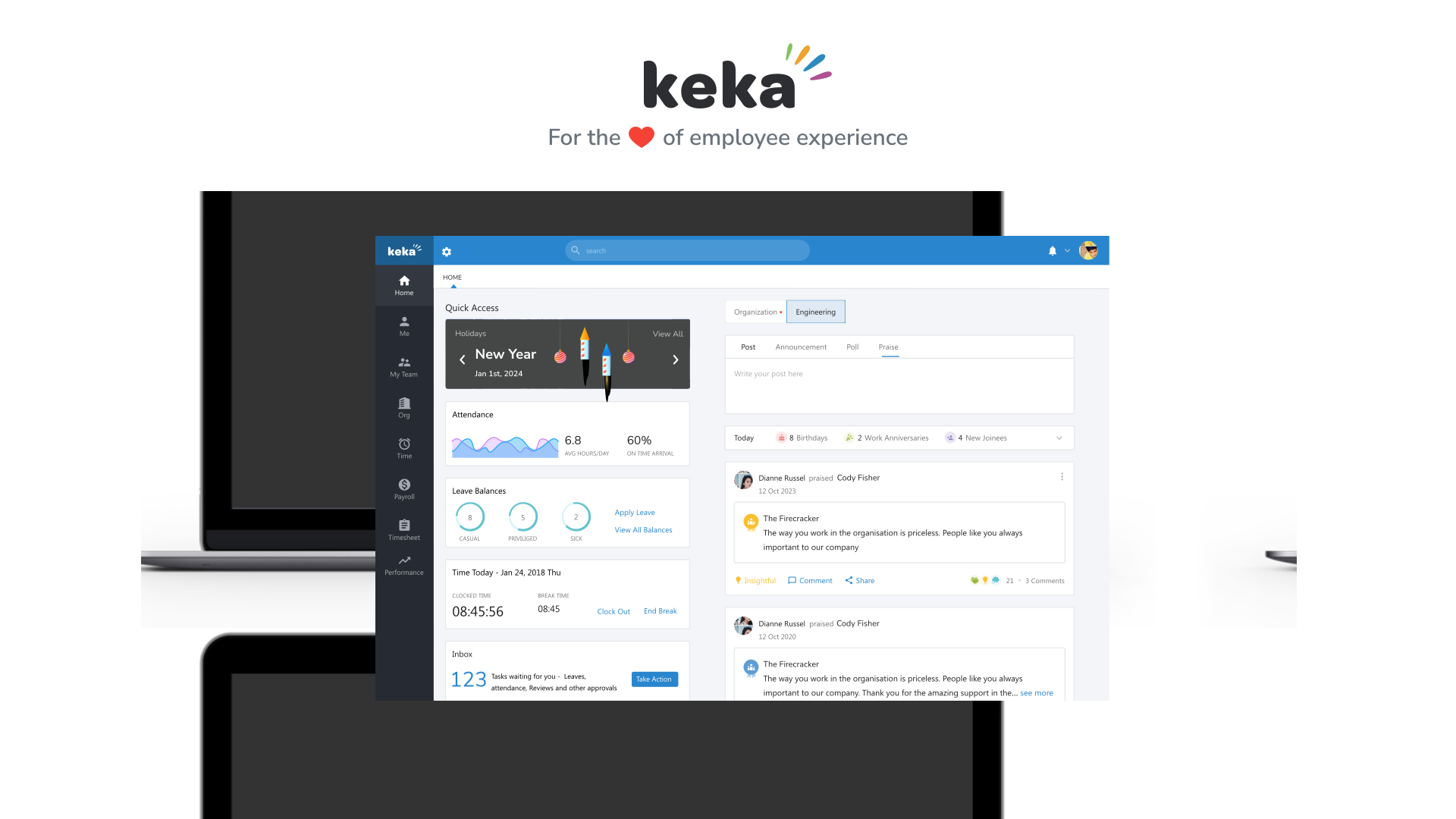
Keka HR is a leading HR tech solution for SMEs (Small and Medium enterprises), offering a single platform to manage all HR operations from hiring and onboarding to payroll processing. With Keka HR, businesses can manage their HR operations effectively and make data-driven decisions that boost employee productivity.
Key features of Keka HR:
Keka HR is an all-in-one HR software that caters to all HR needs for small and medium businesses, from onboarding to offboarding, from recruitment to exit management, helping businesses streamline their HR processes, improve efficiency, and provide a better employee experience.
Explore the features that makes Keka HR the ideal HRMS choice for your business:
- Automated payroll calculations and processes.
- Easy to monitor employee attendance and manage time-off requests.
- With a leave management system, track leave balances and manage leave requests and team leave calendars to plan better holidays.
- Efficient maintenance of centralized employee database.
- Streamlined onboarding and offboarding process of employees.
- Revolutionized feedback system with one-click pulse surveys to assess real-time employee moods.
- Robust Performance Management System enabling 360-degree reviews to gain the complete picture by involving multiple stakeholders.
- Streamlined employee time sheets tracking that simplifies workforce management.
- Recruitment Management to handle the entire recruitment process, from posting job openings to hiring candidates with ease.
- Expense management and shift scheduling to manage reimbursement and employees’ work schedules.
- Instant customizable reports to gain insights and make data-driven decisions.
- HR Helpdesk and Ticketing System to handle employee requests.
- Easy to access employee self-service portal.
- An all-in-one mobile app to access HR data and complete HR tasks, along with the feature to clock in and out and request time off.
- Easy to set up automated reminders for HR tasks and deadlines.
- Integrated L&D platform to manage employees’ training and development programs.
- Seamless integration with third-party applications.
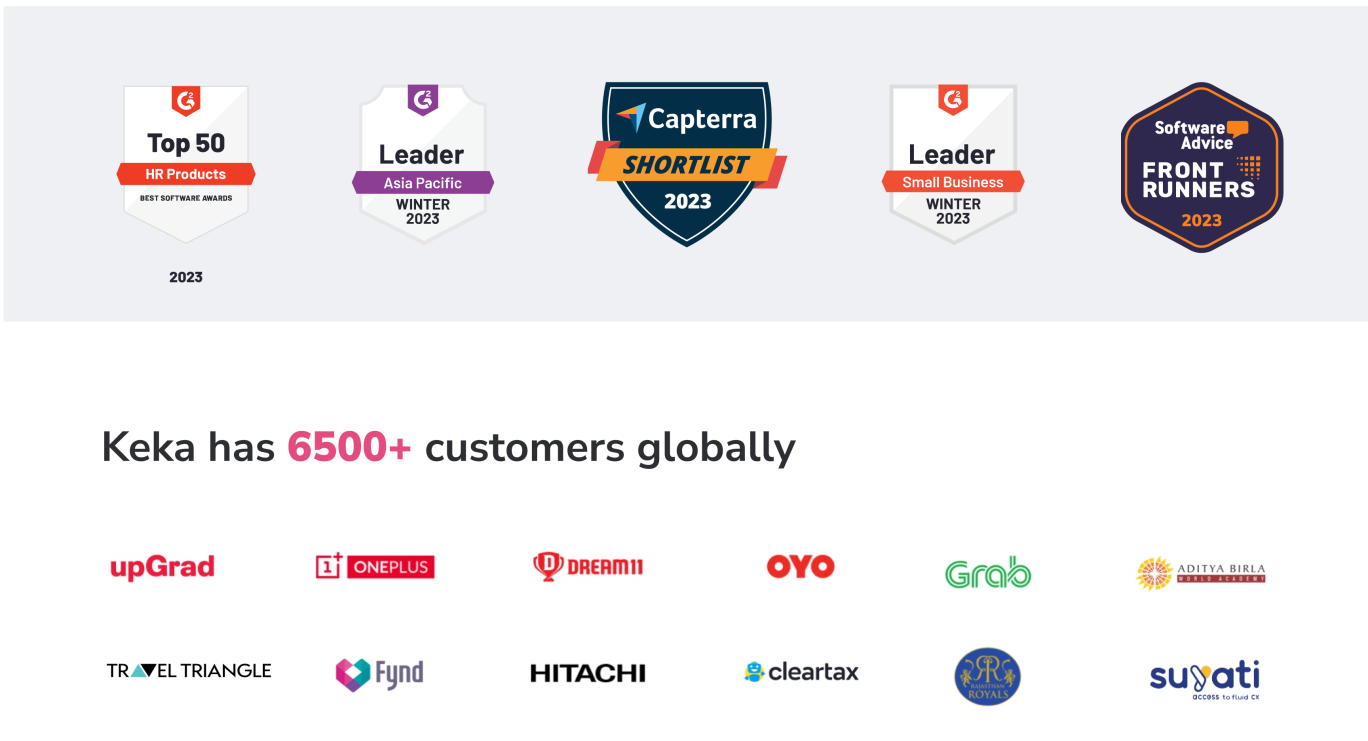
Keka HR has disrupted the HR tech space since its inception. With a growing customer base of 6500+ customers globally and garnering numerous prestigious awards on their journey, it truly is one of the top-notch HRMS solutions.
Best suited for:
The ideal choice for small and medium-sized organizations.
Pricing:
Keka HR offers affordable pricing starting at just Rs. 6999 monthly for up to 100 employees. Additional employees can be added for just Rs. 60 per month.
Ready to streamline your HR operations? Experience the true potential of comprehensive HR software
2. GreytHR
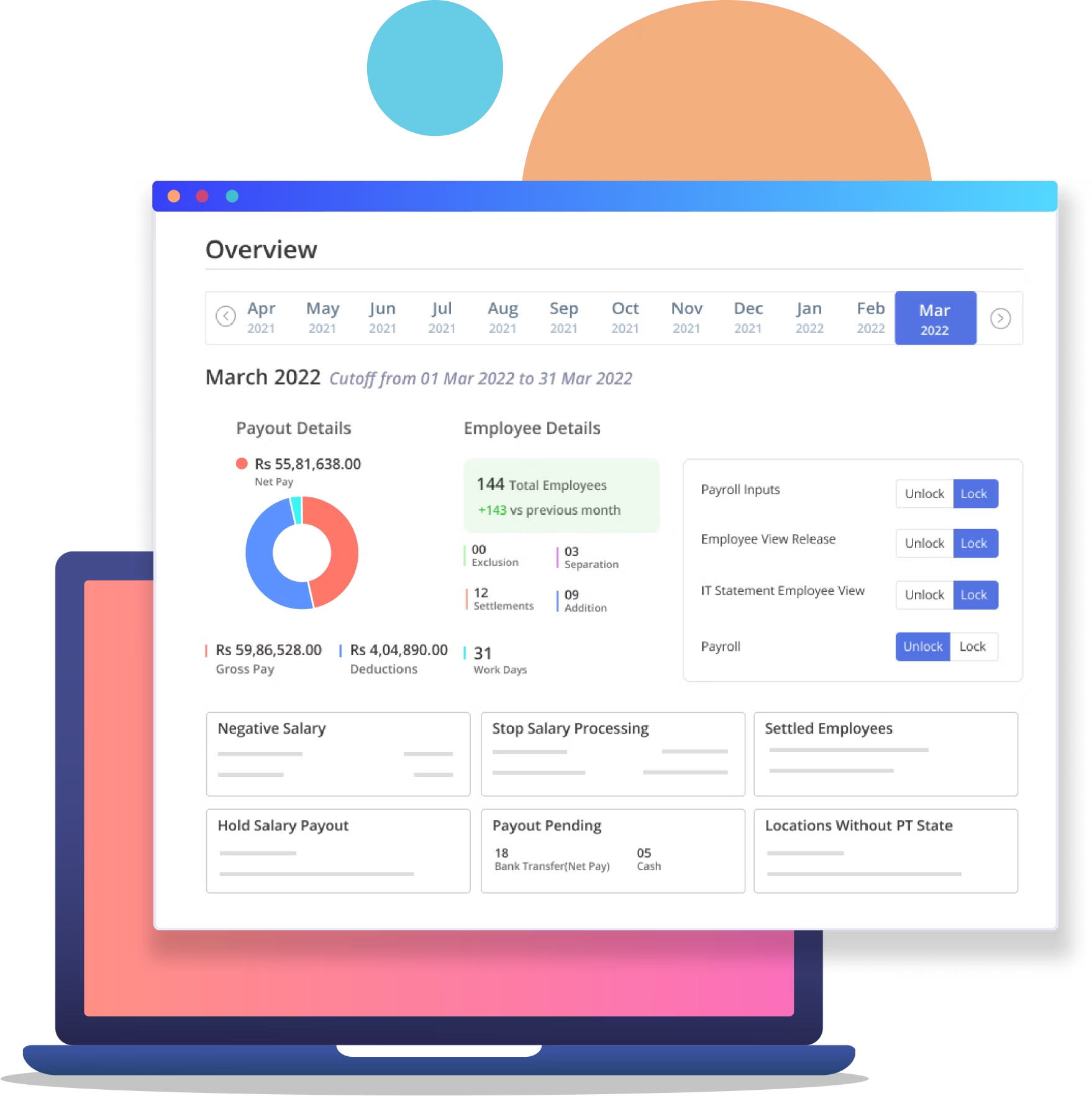
GreytHR is a leading HR software solution that helps streamline HR processes and empower employees. It is easy to keep your team focused and productive with this software.
Key features:
- Automated payroll processing.
- Simplified leave and attendance management.
- Employee data management with a self-service portal.
- Reports and analytics that provide valuable insights.
- Compliance with local laws and regulations.
Best suited for:
The ideal choice for medium and large-sized organizations.
Pricing:
GreytHR’s minimum paid package starts at Rs. 3495 monthly for up to 50 employees. Additional employees can be added for Rs. 30 per month.
3. Zing HR
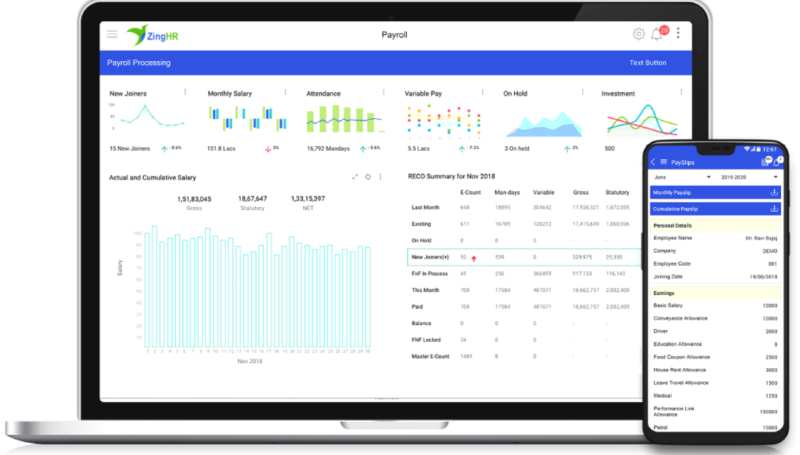
Zing HR is a cloud-based HRMS (Human Resource Management Software) platform that provides end-to-end HR solutions for businesses of all sizes. With some unique features, it helps companies to streamline their HR processes and boost their productivity.
Key Features:
- Automated payroll processing ensuring compliance with tax regulations.
- Simplified time and attendance tracking.
- Easy to use employee self-service tools.
- Detailed analytics and reports for better data-driven decisions.
- Manage HR on the go with a mobile app.
Best suited for:
The ideal choice for small, medium, and large-sized organizations.
Pricing:
Zing HR’s affordable pricing starts at Rs. 7250 per month for 50 employees.
4. Zoho People
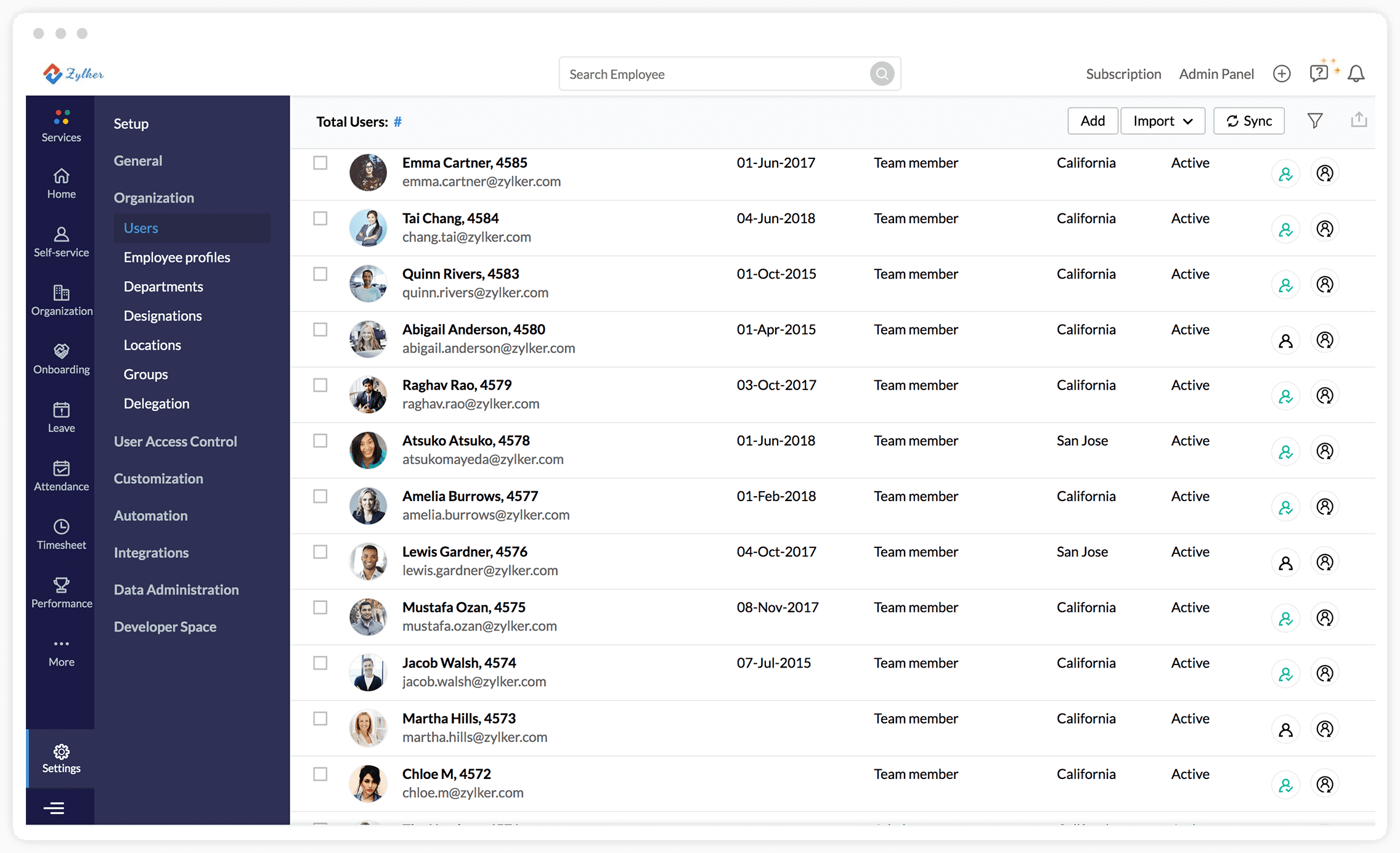
Zoho People is a user-friendly HR software solution that simplifies complex HR processes for businesses of all sizes. They offer an extensive set of features ranging from recruitment to exit, all under one single platform.
Key Features:
- Simplified recruitment and applicant tracking.
- Automated onboarding and offboarding processes.
- Efficient payroll processing with tax calculations.
- Flexible time and attendance tracking.
- Simple to set goals and performance management.
Best suited for:
The ideal choice for medium and large-sized organizations.
Pricing:
Zoho People’s minimum package starts at RS. 48 per month for every user, and it is billed annually.
5. PeopleStrong
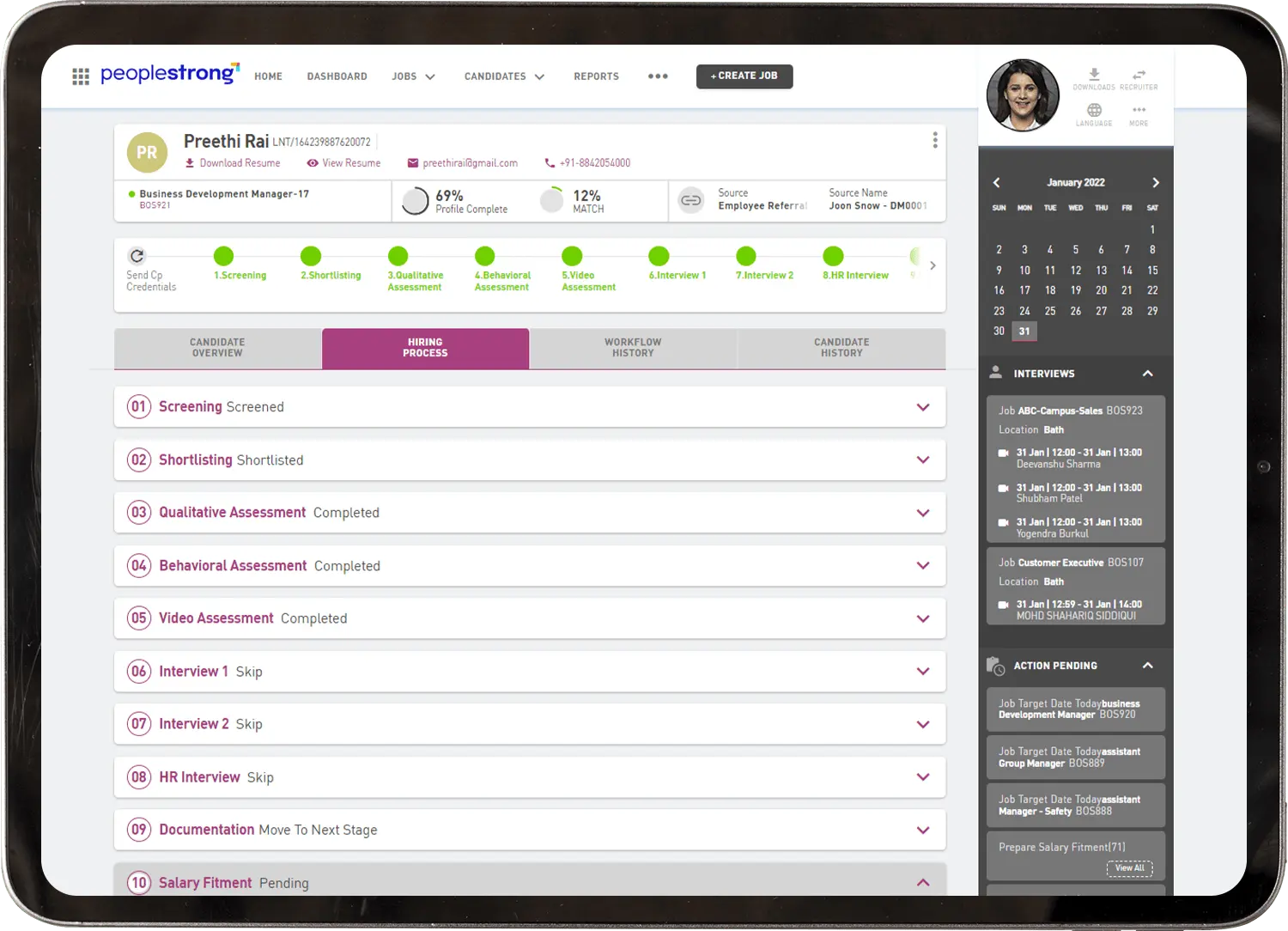
PeopleStrong is an HR solution provider offering a wide range of services that help manage day-to-day HR operations for organizations of every size and scale.
Key Features:
- Automated accurate payroll processing.
- Easy to manage employee self-service portal.
- Hassle-free leave administration.
- Robust performance management tools.
- Efficient recruitment management system.
Best suited for:
The ideal choice for large and medium-sized organizations.
Pricing:
PeopleStrong follows a customized pricing model based on business size, scale, and requirements.
6. Freshteam by Freshworks
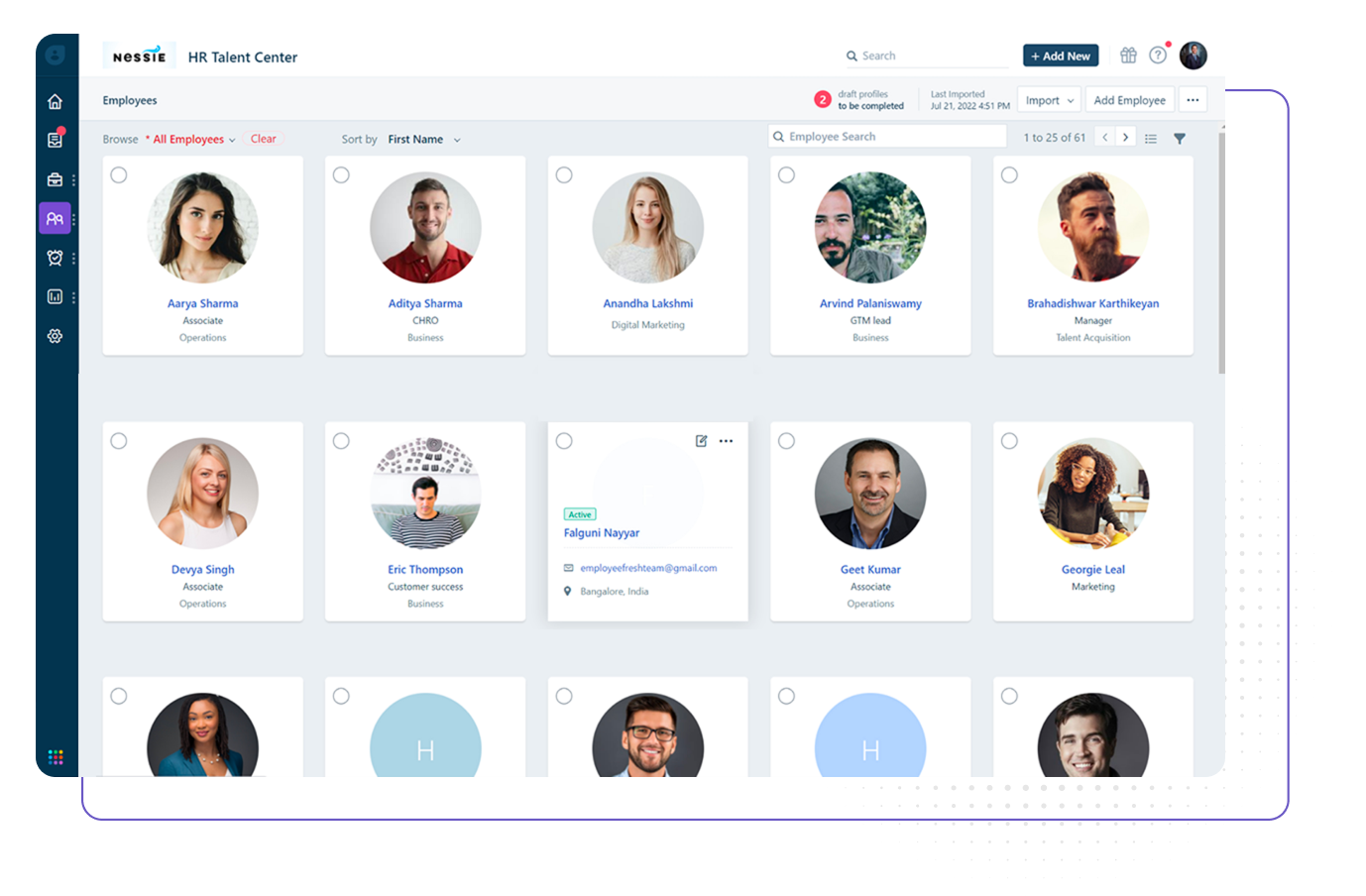
Freshworks’ product Freshteam is a leading HR software solution that simplifies and automates HR processes. With its features, it helps empower businesses to manage their HR operations efficiently.
Key Features:
- Simplified employee onboarding and offboarding.
- Accurate payroll processing.
- Efficient time and attendance management.
- Seamless integration with other platforms.
- Easy to use employee self-service portal.
Best suited for:
The ideal choice for small, medium, and large-sized organizations.
Freshteam recently took a detour from their HR services. For further information, you’ll need to contact them.
7. Kredily
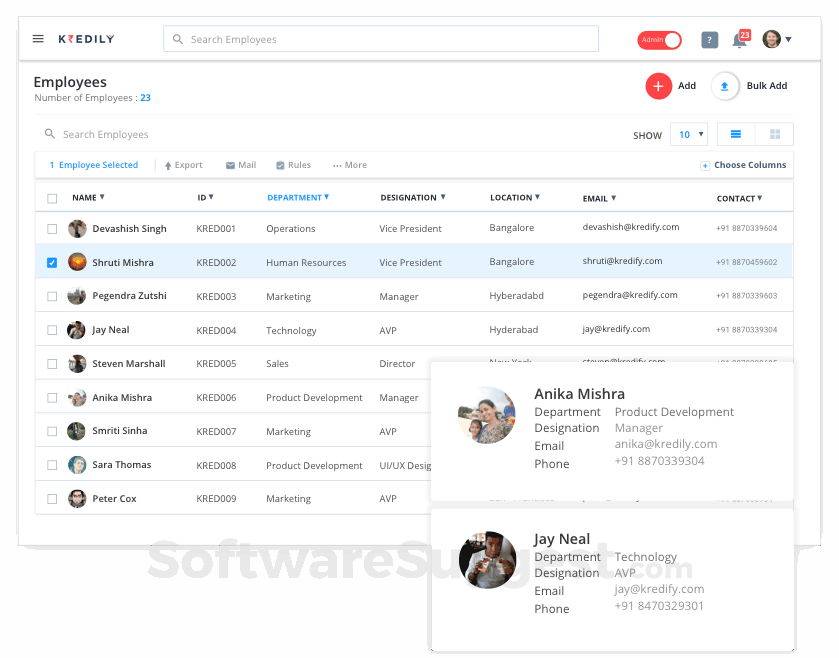
Kredily is a cloud-based HR software that simplifies HR processes for businesses of all sizes with features like attendance management, leave management and payroll processing.
Key Features:
- Streamlined attendance management system.
- Automated payroll processing.
- Simplified leave management system.
- Mobile app for 24/7 access.
- Secured cloud storage of employee data.
Best suited for:
The ideal choice for small, medium, and large-sized organizations.
Pricing:
Kredily’s paid packages start at Rs. 1400 per month for 25 employees, and additional employees can be added for Rs. 60 per month.
8. Razorpay
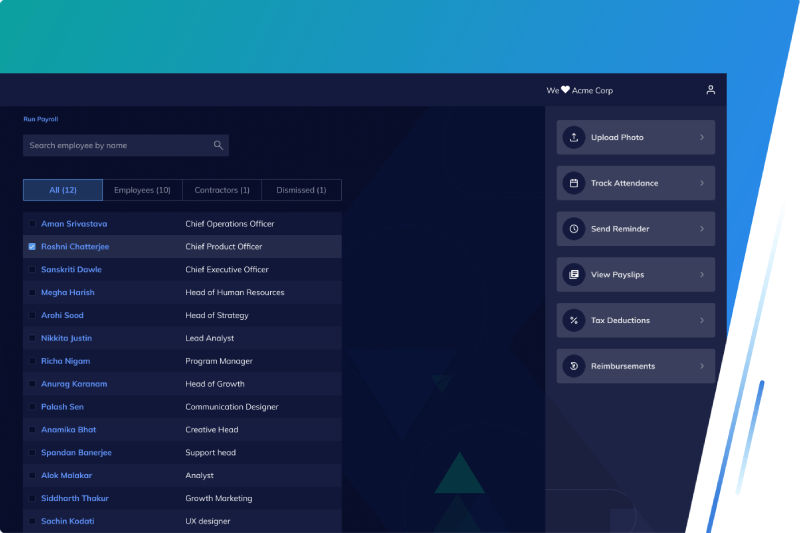
Razorpay is an all-in-one HR management software that helps businesses streamline their HR processes. Businesses can seamlessly automate their HR operations with its user-friendly interface and customizable features.
Key Features:
- Centralized system to efficiently manage employee data.
- Simplified leave and attendance management.
- Smooth onboarding system.
- Streamlined payroll processing.
- Easy integration with multiple third-party platforms.
Best suited for:
The ideal choice for small and medium-sized organizations.
Pricing:
Razorpay’s pricing plan starts at Rs. 4999 per month for up to 50 employees.
9. Darwinbox
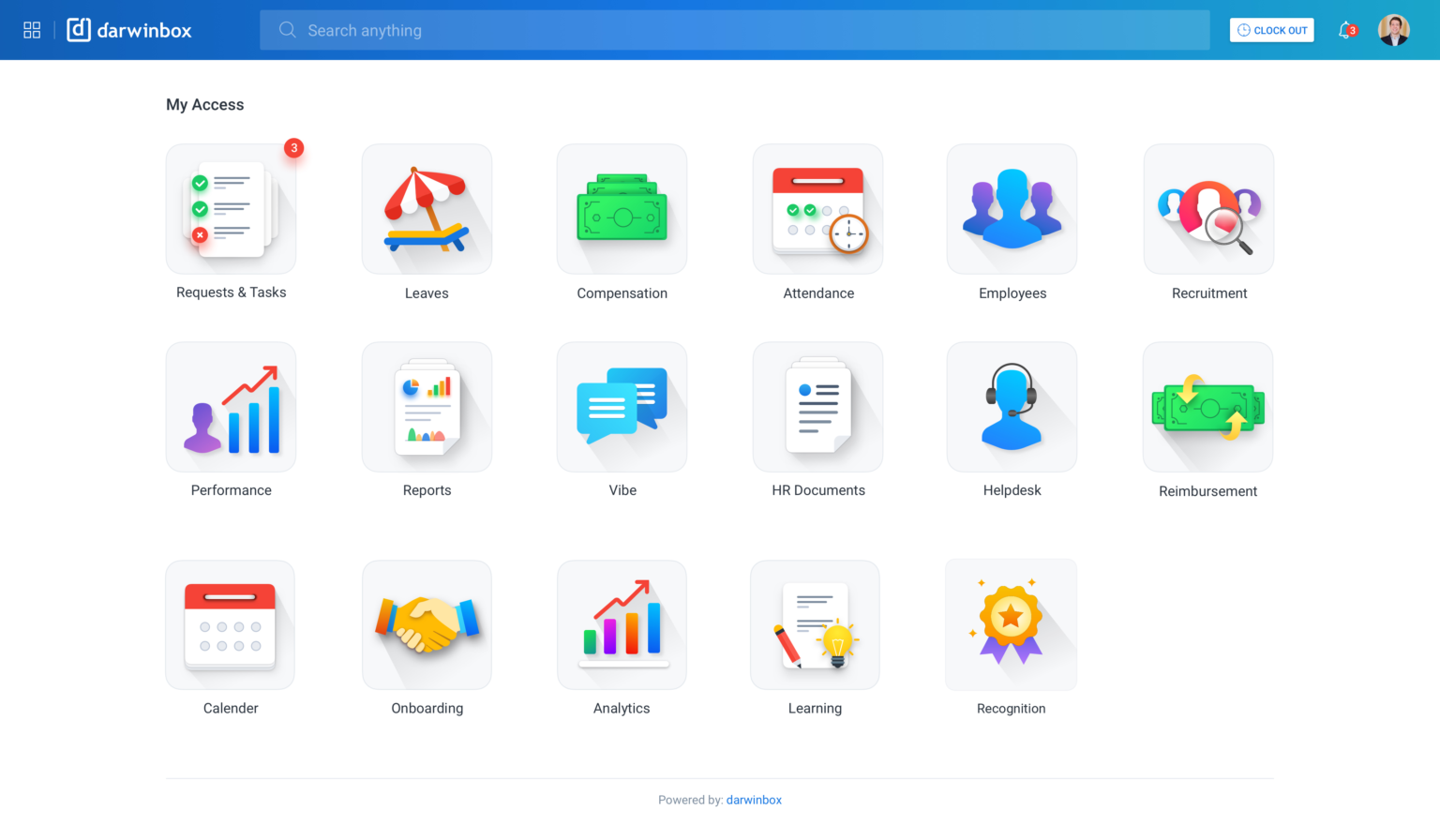
Darwinbox is a modern, cloud-based HR software providing a range of services to help manage HR functions seamlessly and ensure maximum efficiency and productivity. It helps streamline HR operations and enhance employee engagement.
Key Features:
- Automated HR process from recruiting to offboarding.
- Simplified payroll processing.
- Easy to manage attendance and leave requests.
- Track performance and employee appraisal with ease.
- Employee self-service and management tools.
Best suited for:
The ideal choice for small and medium-sized organizations.
Pricing:
Darwinbox follows a quotation-based pricing model.
10. HR One
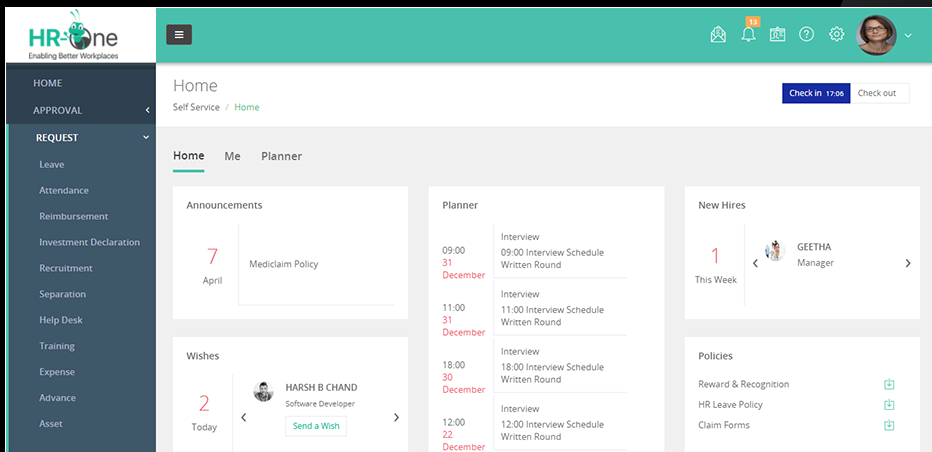
HR One is a cloud-based HR software that helps businesses simplify their HR operations. With its unique features, HR One helps automate and streamline the workforce and improve overall efficiency.
Key Features:
- Efficient attendance and leave management.
- Simple and accurate payroll processing.
- Automated onboarding process for new employees.
- Analytics and reporting for data-driven decisions.
- Performance management and appraisal tools.
Best suited for:
The ideal choice for small, medium, and large-sized organizations.
Pricing:
HR One follows a quotation-based pricing model. Visit their website for further details.
Broaden your Selection Criteria: Other Alternatives to Explore!
A few more best HR software solutions to make your HR processes more efficient, effective, and hassle-free are listed below:
1. FactoHR
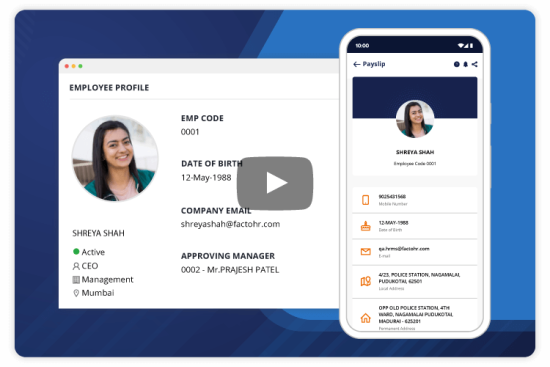
FactoHR is an HR software that offers an all-inclusive HR management solution to automate HR processes. With its seamless integration and user-friendly interface, it helps small and medium-scale organizations streamline their HR operations.
Key Features:
- Single platform to access and manage all employee data.
- Automated payroll processing.
- Efficient time and attendance management.
- Easy to access mobile app for all HR operations.
- Simplified recruitment and candidate onboarding.
Best suited for:
The ideal choice for small and medium-sized organizations.
Pricing:
FactoHR’s starting price is Rs. 2999 per month, and they also charge an additional fee of Rs. 20 for every employee.
2. Sage HR
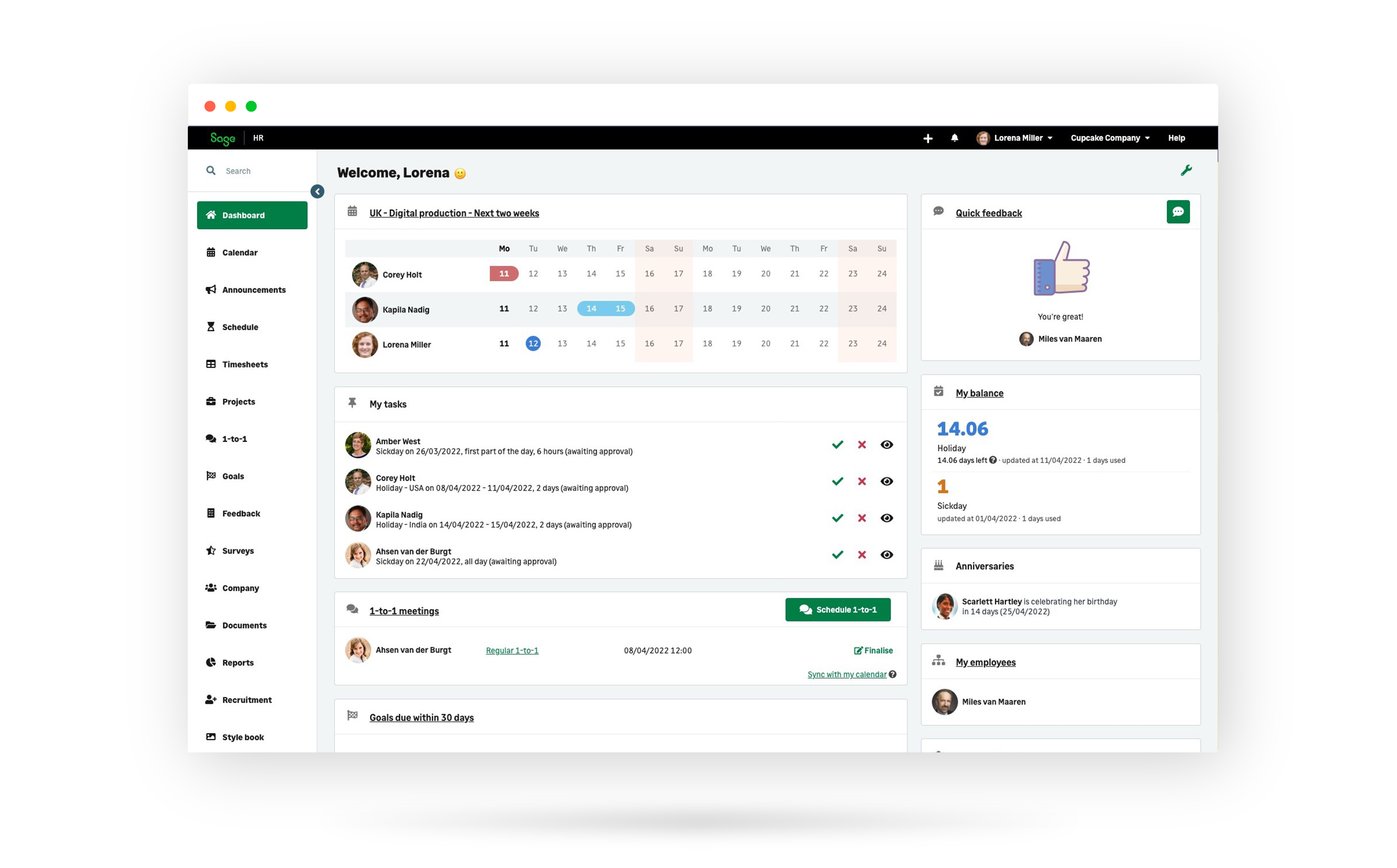
Sage HR is a cloud-based HR management software designed to streamline the HR processes of businesses. With a range of features, it helps to simplify HR tasks, enhance employee engagement, and boost productivity.
Key Features:
- Comprehensive talent management.
- Advanced analytics and reporting tools.
- Seamless integration across other platforms.
- On the go mobile app.
- Effective time and attendance management.
Best suited for:
Small and Medium organizations.
Pricing:
Sage HR offers customized pricing to suit business needs.
3. Zimyo
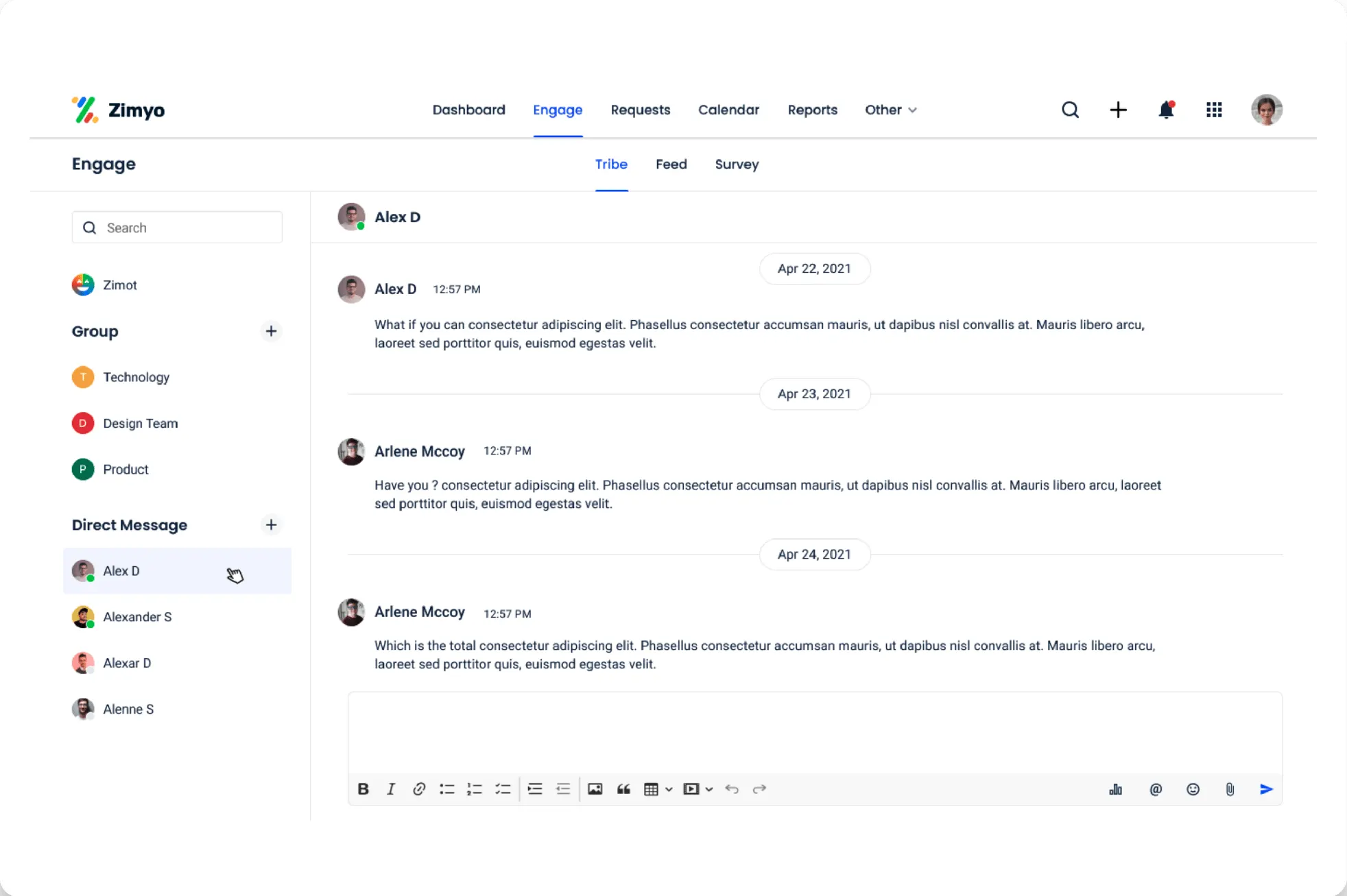
Zimyo is an HRMS software that helps streamline and efficiently manage HR operations for small, medium, and large businesses. Its interactive user interface simplifies HR operations and enables seamless collaboration among team members.
Key Features:
- Streamlined HR operations from onboarding to offboarding.
- Simplified payroll processing.
- Efficient performance management tools.
- Customizable employee self-service portal.
- Modernized leave and attendance management.
Best suited for:
The ideal choice for startups, small and medium-sized organizations.
Pricing:
Zimyo’s minimum package starts at Rs. 60 per month for every user.
4. Quickchex
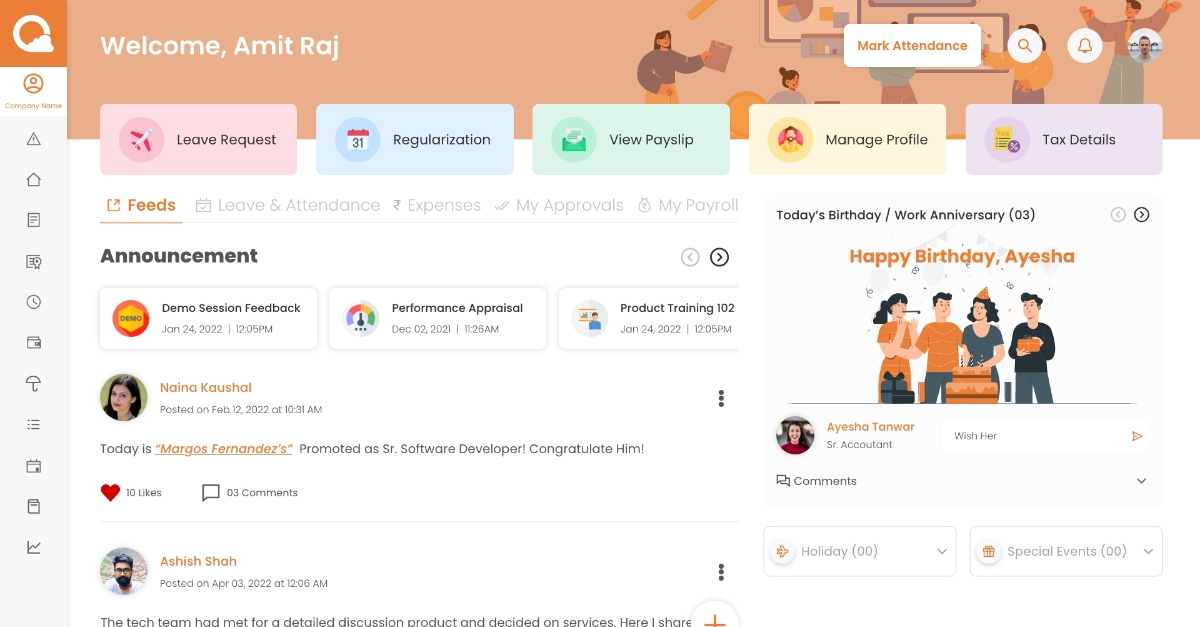
Quickchex is an HR management software that automates HR operations and manages employee data efficiently. It is an excellent tool for small and medium-sized businesses looking to automate their day-to-day HR processes.
Key Features:
- Automated payroll processing.
- Customizable salary and benefits administration.
- Efficient data security and backup.
- Seamless integration with third-party platforms.
- Effective performance tracking and management.
Best suited for:
The ideal choice for small and medium-sized organizations.
Pricing:
Quickchex offers its starter pack at Rs. 6,000 per month.
Get a comprehensive HR solution tailored to your business needs with Keka!
HR Software for Indian Businesses: Features You Cannot Afford to Miss
HR software is critical in streamlining HR processes, enhancing employee engagement, and in boosting productivity. In India, where HR compliances and regulations can be complex owing to the rich diversity, it is essential for the HR software to include the following vital features to ensure compliance with local laws and regulations:
- Attendance and Leave Management: This feature is crucial for tracking employee attendance and leaves balances while ensuring strict compliance with labor laws.
- Payroll Management: It helps handle every aspect of the payroll management system, particularly payroll processing, tax calculations, statutory deductions, reimbursements, and salary revisions.
- Compliance Management: The software should have the ability to keep up with India’s complex labor laws like PF (Provident Fund), ESI (Employee State Insurance), TDS (Tax Deduction at Source), PT, and other regulations.
- Performance Management: It helps HR teams track employee performance, set goals, provide proper feedback, and conduct effective performance reviews.
- Employee Self-Service: This lets employees manage their HR-related tasks, such as leave requests, attendance, and payroll information, reducing the burden on the HR department.
- Mobile Accessibility: This feature allows employees to access their information and perform HR tasks on mobile devices.
Frequently Asked Questions (FAQs)
Q1. What are the types of HR software?
The two types of HR software available in the marketplace are the on-premises and cloud-based models. On-premises model is a type of software that is installed on the company’s servers and maintained by the IT team. In contrast, cloud-based models are hosted on the vendor’s servers and accessed through a web browser.
Q2. How to choose the best HR software in India?
To choose the best HR software in India, consider your business needs, budget, and the software’s offered features. In addition, opt for user-friendly software with good customer support and easy integration with other tools. Remember to read online reviews and compare the pricing before deciding.
Q3. What is the best HR software for small businesses in India?
Keka HR is the best HR software for small businesses in India, offering an all-in-one HR management, payroll, and talent management platform. Its user-friendly interface and cost-effective pricing make it one of the most popular choices.
Q4. Are there any restrictions on the use of HR software in India?
There are no specific restrictions on the use of HR software in India. However, companies can ensure the software complies with local laws and regulations related to data privacy and protection.
Connect all your HR systems seamlessly with Keka HR’s powerful integrations!


