


 Login
Login


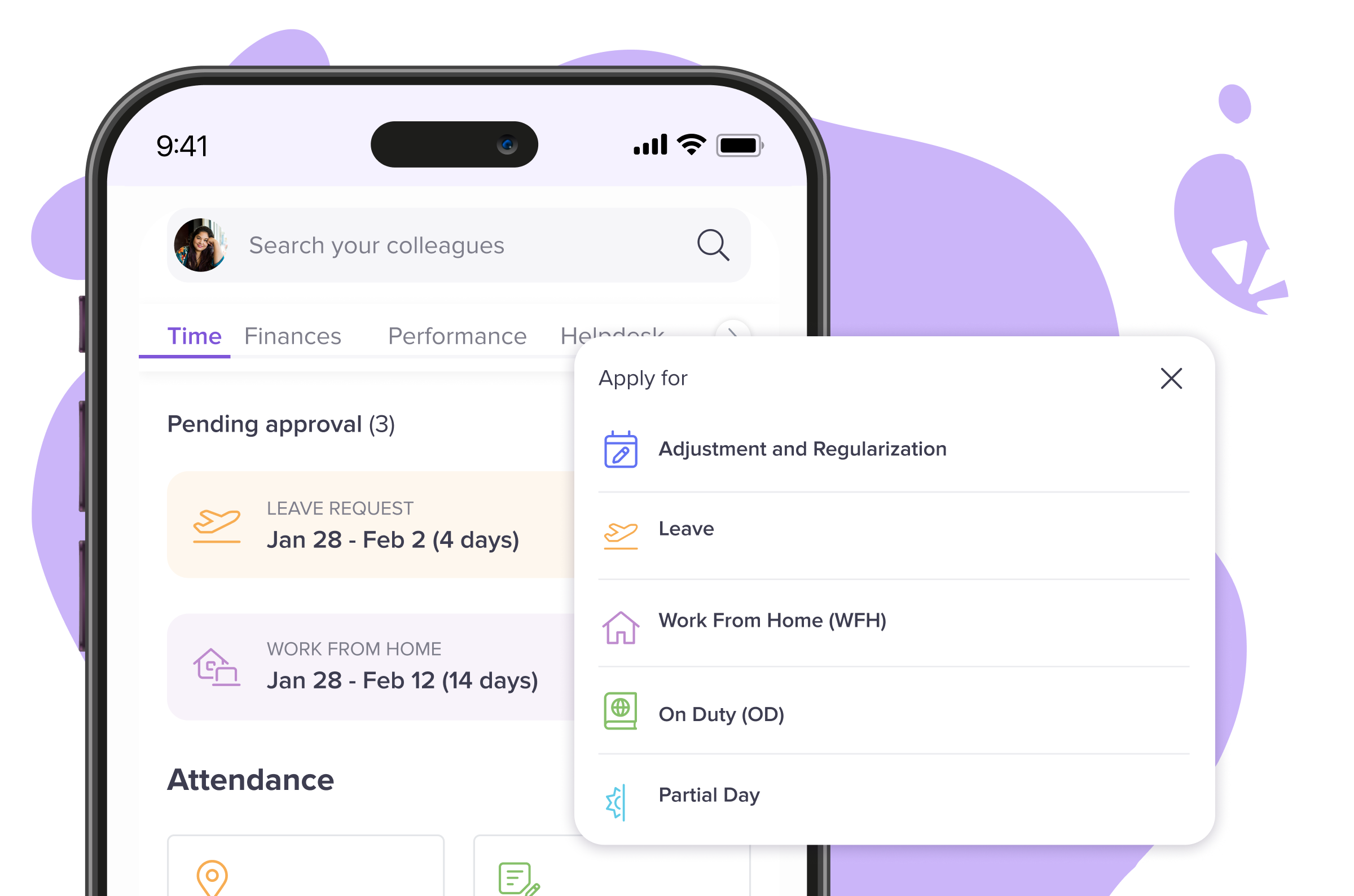
Every interaction with your company, from onboarding to recognition and growth opportunities, influences how employees feel and perform. When these experiences are disjointed, engagement drops, frustration rises, and even high performers can feel undervalued. What should strengthen culture ends up creating gaps and inefficiencies.
Without a unified approach, HR teams struggle to track engagement, managers miss signals of disengagement, and employees feel disconnected from the organization’s mission. Over time, this can lead to lower productivity, higher turnover, and a weakened workplace culture.
On the other hand, companies with highly engaged workforce achieved 23% higher profit than bottom-quartile units.
And that’s how a good employee experience software helps. It centralizes feedback, recognition, and development initiatives so HR can manage experiences end to end, managers can support their teams effectively, and employees feel recognized, connected, and empowered.
In this guide, we will explore the best employee experience software in 2026, covering features, pricing, pros and cons, and which solutions suit different organizational needs.
Research Methodology: How I Evaluated Employee Experience Software
To identify the best employee experience software in 2026, I focused on the factors that truly impact employee engagement, satisfaction, and retention. Each platform was assessed on the following:
- Onboarding Support: I looked at how platforms help new hires integrate quickly, access role-specific resources, and connect with managers and peers. Features such as automated workflows, orientation tools, and welcome programs were considered essential for creating a strong first impression.
- Feedback & Surveys: Tools for collecting employee input were evaluated based on flexibility, frequency, and depth. This included pulse surveys, structured engagement assessments, and sentiment analysis. The goal was to see how platforms turn feedback into actionable insights for HR and managers.
- Recognition & Rewards Integration: Platforms were assessed on their ability to celebrate individual and team achievements. Peer-to-peer recognition, milestone tracking, and integration with reward programs were key factors in supporting a positive workplace culture.
- Career Development & Growth: I considered how software supports employee learning and progression. Features like goal tracking, skill assessments, personalized learning paths, and internal mobility options help employees plan and advance their careers.
- Manager & HR Insights: Dashboards and reporting capabilities were examined for clarity and usefulness. I focused on how well platforms help leaders identify engagement trends, turnover risks, and opportunities to improve team performance.
- Employee Self-Service: Platforms were evaluated for the autonomy they give employees to track feedback, view recognition, monitor progress on goals, and access development resources.
- Integration & Scalability: I assessed compatibility with existing HR systems, including HRIS, payroll, and performance management tools. Scalability to support larger, distributed, or hybrid teams was also a key factor.
- User Experience & Security: I considered interface intuitiveness, mobile access, customization options, and robust data protection measures. Security and compliance are critical for protecting sensitive employee information.
Top 10 Employee Experience Software in 2026
Employee experience software helps organizations streamline feedback, recognition, and development initiatives to create a workplace where people feel valued and motivated. Here are the ten best employee experience software in 2026.
1. Keka
Keka’s employee experience platform brings together feedback, recognition, and career development in a single, unified system. It helps organizations understand employee sentiment, reward contributions, and create clear paths for growth, making the workplace more engaging and supportive. The platform also supports pulse surveys, recognition programs, and analytics to track experience trends over time.


Key Features of Keka Employee Experience Platform:
- Pulse surveys: Run regular surveys to capture employee sentiment and engagement trends.
- Recognition programs: Peer-to-peer and manager-driven recognition tools to reward contributions.
- Career development: Tools for goal setting, performance tracking, and growth planning.
- Analytics dashboards: Insights into engagement, recognition participation, and overall experience.
- Customizable workflows: Tailor surveys, recognition cycles, and review processes to organizational needs.
- Integration capabilities: Connects with HRIS, payroll, and other HR tools for seamless data flow.
- Mobile access: Employees and managers can engage with surveys, recognition, and development tools on the go.
- Actionable insights: Provides recommendations to improve employee engagement and retention.
Pros and Cons of the Keka Employee Experience Platform
| Pros | Cons |
|---|---|
| Combines feedback, recognition, and development in one platform. | Some features may require training to fully utilize. |
| Pulse surveys provide real-time insight into employee sentiment. | Customization options may feel overwhelming for very small teams. |
| Recognition programs encourage engagement and peer appreciation. | |
| Integration with HRIS and payroll ensures consistent data flow. |
Ideal For: Organizations seeking a unified platform to manage feedback, recognition, and career development for enhanced employee engagement.
Pricing:
- Foundation: $9/employee/month
- Strength: $16/employee/month
- Growth: $22/employee/month
Expert’s Opinion:
Keka provides a comprehensive platform for improving employee experience by integrating surveys, recognition, and development tools. It helps organizations capture insights and act on them, making engagement initiatives more effective. The analytics and reporting features give managers clarity on trends, though very small teams or companies with minimal engagement programs may not need the full breadth of features.
2. Qualtrics EmployeeXM
Qualtrics EmployeeXM is a comprehensive experience management platform that enables organizations to collect and analyze employee feedback across various touchpoints. It offers tools for pulse surveys, 360-degree feedback, and sentiment analysis, helping businesses understand and improve employee engagement and satisfaction.

Key Features of Qualtrics EmployeeXM:
- Pulse Surveys: Conduct regular, short surveys to gauge employee sentiment in real-time.
- 360-Degree Feedback: Gather comprehensive feedback from peers, subordinates, and managers to assess employee performance.
- Sentiment Analysis: Utilize AI-driven tools to analyze open-text responses and identify underlying sentiments.
- Benchmarking: Compare your organization’s employee experience metrics against industry standards.
Pros and Cons of Qualtrics EmployeeXM
| Pros | Cons |
|---|---|
| Offers pulse surveys and 360-degree feedback to capture ongoing employee sentiment. | Setup can be time-consuming for organizations without dedicated resources. |
| Provides in-depth analytics to identify engagement trends and patterns. | Extensive features may require significant training for new users. |
| Allows benchmarking against industry standards to understand performance relative to peers. | Integration with existing HR systems can be challenging. |
| Customizable surveys help meet specific organizational needs. | Pricing may be high for smaller companies. |
Ideal For: Large and mid-sized organizations that want continuous feedback and advanced analytics to improve employee experience.
Pricing: Pricing is customized based on company size and feature set. Organizations can request a quote.
Expert’s Opinion:
Qualtrics EmployeeXM provides a robust platform to measure and improve employee experience. Its analytics and benchmarking features help managers take data-driven actions. The platform is ideal for organizations with structured engagement programs. Smaller teams or those without dedicated HR resources may find it more complex than necessary.
3. Medallia Experience Cloud
Medallia Experience Cloud captures feedback from multiple channels and provides real-time insights. It allows organizations to track engagement, monitor sentiment, and implement action plans to improve the overall employee experience. The platform emphasizes actionable insights and integrates data across HR and operational systems.

Key Features of Medallia Experience Cloud:
- Multi-Channel Feedback: Collect insights from surveys, apps, and other sources.
- Real-Time Analytics: Dashboards track engagement and sentiment continuously.
- Sentiment Analysis: AI-driven analysis identifies trends from open-text feedback.
- Action Planning: Provides tools to develop and implement targeted engagement initiatives.
Pros and Cons of Medallia Experience Cloud
| Pros | Cons |
|---|---|
| Captures feedback from multiple channels for a comprehensive view of employee sentiment. | Initial implementation and integration can be complex |
| Real-time analytics provide immediate insight into engagement and issues. | Cost may be prohibitive for smaller organizations. |
| AI-driven sentiment analysis identifies key trends in open-text responses. | The platform has a learning curve for new users. |
| Actionable insights enable targeted engagement initiatives. | Some users find the interface less intuitive. |
Ideal For: Organizations with diverse feedback channels seeking a platform to monitor and act on employee experience insights.
Pricing: Pricing depends on company size and selected features, with quotes provided on request.
Expert’s Opinion:
Medallia Experience Cloud provides multi-channel feedback and real-time analytics to help organizations monitor engagement trends and take timely action. It uses AI-driven sentiment analysis and action planning tools to guide improvements in employee experience. The platform works best for teams with established HR processes and those who need detailed, continuous insights. Organizations with simpler engagement needs or limited HR resources may find it more complex to implement and manage.
4. Glint
LinkedIn Glint is an employee engagement platform that helps organizations capture feedback continuously and turn insights into action. It provides tools for pulse surveys, engagement tracking, and manager dashboards to monitor sentiment and measure progress on engagement initiatives. The platform connects insights with HR and leadership actions to improve workplace culture.
;
Key Features of LinkedIn Glint:
- Pulse Surveys: Conduct ongoing surveys to capture employee sentiment in real-time.
- Engagement Dashboards: Visualize trends and track progress on engagement initiatives.
- Action Planning: Develop and assign action plans based on survey insights.
- Manager Insights: Provide managers with tools to understand team sentiment and address issues.
Pros and Cons of LinkedIn Glint
| Pros | Cons |
|---|---|
| Captures ongoing feedback to identify trends quickly. | Limited customization for survey templates outside standard formats. |
| Dashboards clearly show engagement trends across teams. | Reporting is primarily at a high level and may not provide deep segmentation. |
| Action planning tools help convert insights into initiatives. | Some integrations with non-HR systems require manual setup. |
| Integrates insights with leadership and HR actions. | Pulse frequency management can be rigid and less flexible for niche needs. |
Ideal For: Medium to large organizations that want continuous feedback and actionable insights across teams.
Pricing: Custom pricing based on your organization’s requirements and needs.
Expert’s Opinion:
LinkedIn Glint captures continuous feedback and provides actionable insights to improve engagement and workplace culture. Dashboards and manager tools make survey results practical and easy to act on. It works best for organizations with structured HR processes and ongoing engagement programs. Teams with simple feedback needs may find the platform more detailed than necessary.
5. Culture Amp
Culture Amp is an employee experience platform that combines surveys, analytics, and action planning to improve engagement and retention. It allows organizations to measure engagement, track development, and capture insights into team sentiment. Its focus is on creating a continuous feedback culture that links insights with actionable steps.

Key Features of Culture Amp:
- Engagement Surveys: Measure employee engagement with flexible survey options.
- Analytics and Reporting: Visualize trends and identify areas for improvement.
- Action Planning: Turn insights into initiatives to address engagement gaps.
- Development Insights: Track employee growth and performance trends.
Pros and Cons of Culture Amp
| Pros | Cons |
|---|---|
| Provides detailed engagement measurement and trend analysis. | Limited offline survey capabilities. |
| Action planning tools help convert insights into initiatives. | Survey analytics for very small teams may be less precise due to sample size. |
| Tracks employee development alongside engagement. | Custom reporting options are fewer than some competitors. |
| Supports continuous feedback and cultural improvement initiatives. | Some integrations with third-party HRIS require extra configuration. |
Ideal For: Organizations that want a continuous feedback culture and to link engagement insights with actionable initiatives.
Pricing: Varies with organization size and selected features and is provided by the company.
Expert’s Opinion:
Culture Amp provides engagement measurement and development insights to help teams improve workplace culture and retention. Continuous feedback allows for actionable initiatives and trend monitoring. It is strong for structured feedback programs but lacks advanced offline survey options and some custom reporting flexibility.
6. Workday Peakon Employee Voice
Workday Peakon Employee Voice collects continuous feedback and provides insights to drive engagement and performance. It offers pulse surveys, analytics, and action planning to help managers identify trends and respond effectively. Feedback is connected with HR data to provide context and support strategic decisions.

Key Features of Workday Peakon Employee Voice:
- Continuous Feedback: Collect ongoing feedback from employees via pulse surveys.
- Analytics Dashboard: Visualize trends and insights to understand workforce sentiment.
- Action Planning: Develop targeted initiatives to improve engagement.
- Integration with HR Data: Connect feedback to HR metrics for context.
Pros and Cons of Workday Peakon Employee Voice
| Pros | Cons |
|---|---|
| Captures continuous feedback to monitor engagement trends. | Limited flexibility in designing completely custom surveys. |
| The analytics dashboard provides a clear visualization of insights. | Action planning relies on HR setup and may need adjustments for non-standard workflows. |
| Action planning tools help convert insights into initiatives. | Deep segmentation reporting is less intuitive for complex teams. |
| Integrates feedback with HR data for informed decision-making. | Some advanced analytics features require additional licensing. |
Ideal For: Organizations that want continuous feedback tied to HR data for actionable insights and strategic planning.
Pricing: Pricing varies by employee count and features selected and is provided by the vendor.
Expert’s Opinion:
Workday Peakon Employee Voice collects continuous feedback and provides analytics to support engagement initiatives. Integration with HR data helps managers make informed decisions. It is strong for organizations with structured HR processes, but has limitations in survey design flexibility and complex reporting for larger teams.
7. Lattice
Lattice is an employee experience platform focused on performance management, engagement, and development. It combines surveys, feedback, goal tracking, and analytics to improve culture and productivity. The platform connects managers and employees to align on priorities and growth opportunities.

Key Features of Lattice:
- Engagement Surveys: Collect continuous feedback from teams.
- Performance Reviews: Manage structured review cycles and 360-degree feedback.
- Goal Tracking: Align employee objectives with company strategy.
- Analytics and Reporting: Gain insights on engagement trends and team performance.
Pros and Cons of Lattice
| Pros | Cons |
|---|---|
| Combines feedback, reviews, and goal tracking in one platform. | Offline access is limited for employees in low-connectivity environments. |
| Engagement surveys provide actionable insights. | Custom reporting options are less flexible for advanced users. |
| Analytics dashboards allow tracking of trends across teams. | Some integrations with third-party tools require additional setup. |
| Aligns individual goals with company strategy to improve performance. | Notification management can be overwhelming for large teams. |
Ideal For: Organizations looking to combine engagement, feedback, and performance tracking in a unified platform.
Pricing:
- Talent Management: $11/seat/month
Expert’s Opinion:
Lattice provides a unified system for feedback, performance tracking, and goal alignment. Analytics and engagement insights help managers take action and improve culture. It is effective for organizations seeking a combined approach, but offline access and complex reporting options may limit flexibility for certain teams.
8. 15Five
15Five is an employee engagement platform focused on continuous feedback, performance tracking, and recognition. It offers weekly check-ins, pulse surveys, and goal management to help managers stay connected with teams and monitor morale.

Key Features of 15Five:
- Weekly Check-ins: Capture employee sentiment on a frequent basis.
- Pulse Surveys: Collect team engagement feedback in real-time.
- Recognition Tools: Provide peer-to-peer and manager recognition.
- Objectives and Key Results (OKRs): Track employee goals and alignment.
Pros and Cons of 15Five
| Pros | Cons |
|---|---|
| Frequent check-ins capture engagement trends effectively. | Limited analytics for complex team hierarchies. |
| Recognition features help boost morale and visibility. | Customization of survey templates is somewhat restricted. |
| OKR tracking aligns employee work with the company strategy. | Integrations with some HRIS systems require additional configuration. |
| Pulse surveys provide actionable insights for managers. | Reporting on historical trends can be less detailed. |
Ideal For: Teams looking for frequent check-ins, recognition, and goal tracking within a single platform.
Pricing: Pricing varies depending on employee count and modules selected and is available from the vendor.
Expert’s Opinion:
15Five captures continuous feedback and fosters recognition while aligning goals with company strategy. Weekly check-ins and pulse surveys provide actionable insights for managers. It works well for teams that want frequent engagement updates, but analytics depth and reporting capabilities are limited for more complex organizations.
9. Limeade
Limeade is an employee experience platform focused on wellbeing, engagement, and inclusion. It provides programs and campaigns designed to improve employee health, boost morale, and create a sense of belonging. The platform helps HR teams run wellbeing initiatives alongside engagement surveys to actively improve workplace culture.

Key Features of Limeade:
- Engagement Campaigns: Launch initiatives to improve employee participation and inclusion.
- Wellbeing Programs: Deliver activities and content to support physical, mental, and financial wellness.
- Actionable Recommendations: Suggest programs and initiatives based on engagement and well-being data.
- Reporting and Insights: Track participation rates, program impact, and engagement trends.
Pros and Cons of Limeade
| Pros | Cons |
|---|---|
| Offers structured wellbeing programs that integrate with engagement surveys. | Platform setup can be complex for teams with limited HR resources. |
| Provides targeted recommendations to improve engagement and participation. | Some specialized programs are only available for enterprise customers. |
| Tracks program impact and participation in real-time. | Customization of content and campaigns is limited in smaller plans. |
| Customization of content and campaigns is limited in smaller plans. | Reporting on long-term trends may require exporting data to external tools. |
Ideal For: Organizations that want to combine engagement initiatives with employee well-being programs.
Pricing: Pricing depends on employee count and modules selected and is available from the vendor.
Expert’s Opinion:
Limeade focuses on combining engagement initiatives with well-being programs to improve employee satisfaction and participation. Its actionable recommendations help HR teams respond to engagement trends. It is well-suited for organizations that want structured wellbeing campaigns, but smaller teams or those with simpler engagement needs may find some features unnecessary or complex.
10. TINYpulse
TinyPulse is a lightweight platform designed for continuous employee feedback and peer recognition. It enables managers to collect frequent, short-form insights into team sentiment and engagement. The platform also supports recognition moments to reinforce positive behaviors and boost morale. TinyPulse emphasizes simplicity and quick adoption, which makes it suitable for fast-moving teams that want real-time engagement visibility.

Key Features of TinyPulse:
- Pulse Surveys: Capture short, frequent feedback from employees.
- Peer Recognition: Enable employees to recognize colleagues’ contributions publicly.
- Analytics Dashboard: Monitor trends in engagement and recognition metrics.
- Actionable Follow-ups: Convert survey feedback into practical steps for managers.
Pros and Cons of TinyPulse
| Pros | Cons |
|---|---|
| Allows fast feedback cycles with weekly or custom pulse surveys. | Reporting capabilities are limited for detailed analysis over long periods. |
| Supports peer recognition to encourage a positive culture. | Survey questions and templates have limited customization. |
| Analytics highlight patterns in engagement and recognition behaviors. | Integrations with some HR systems require additional configuration. |
| Actionable follow-ups help managers take timely action on feedback. | Not designed for advanced performance or goal management. |
Ideal For: Teams that want frequent feedback and peer recognition without complex setup.
Pricing: Tailored pricing based on your team size and selected features.
Expert’s Opinion:
TinyPulse provides a simple way to gather real-time employee feedback and reinforce recognition. Its lightweight design allows quick adoption and timely insights for managers. It works well for teams seeking ongoing engagement data, but organizations needing comprehensive performance tracking or advanced analytics may find the platform limited.
Best Employee Experience Software: A Comparison Table
With so many employee experience tools available, choosing the right one can be challenging. The table below highlights the core features and ratings of each tool in 2026.
| Tool | Key Features | Best For | G2 Rating | Free Trial |
|---|---|---|---|---|
| Keka |
| Organizations that want a unified platform for feedback, recognition, and career development | 4.5/5 | Yes |
| Qualtrics EmployeeXM |
| Large and mid-sized organizations that need continuous feedback and advanced analytics | 4.4/5 | Yes |
| Medallia Experience Cloud |
| Companies with diverse feedback channels that want actionable insights | 4.5/5 | Yes |
| LinkedIn Glint |
| Medium to large organizations focused on continuous feedback and actionable insights | 5/5 | Yes |
| Culture Amp |
| Organizations that aim for a continuous feedback culture and link insights to action | 4.5/5 | Yes |
| Workday Peakon Employee Voice |
| Companies that want continuous feedback tied to HR data for actionable insights | 4.6/5 | Yes |
| Lattice |
| Organizations combining engagement, feedback, and performance tracking in one platform | 4.4/5 | Yes |
| 15Five |
| Teams that want frequent engagement updates with goal alignment | 4.6/5 | Yes |
| Limeade |
| Organizations that combine engagement initiatives with employee well-being programs | 4.0/5 | Yes |
| TINYpulse |
| Teams that want frequent feedback and recognition without a complex setup | 4.4/5 | Yes |
Which Employee Experience Tool is Best for You?
The right employee experience platform depends on how your company collects feedback, rewards contributions, and supports growth. Different tools serve different priorities. Here’s how the top platforms compare:
1. Quick Pulse and Engagement Checks
For teams that need fast, frequent insights into employee sentiment.
- Keka: Runs pulse, onboarding, exit, and event-based surveys with instant analytics, making it easy to track engagement trends.
- TINYpulse: Short, anonymous surveys combined with peer recognition to keep morale visible and measure culture health.
- 15Five: Weekly check-ins paired with pulse surveys and recognition tools to provide consistent, actionable feedback.
2. Feedback and Development Tracking
For organizations that connect engagement insights with career growth and performance.
- Lattice: Combines engagement surveys, goal tracking, and structured performance reviews to align individual development with company priorities.
- Culture Amp: Surveys and reporting designed to measure engagement, track development trends, and provide actionable insights.
- Workday Peakon Employee Voice: Continuous feedback and dashboards help managers identify trends and link engagement to workforce planning.
3. Recognition and Reward Focus
For companies that want to make appreciation visible and motivate employees effectively.
- Blueboard: Experiential rewards that create memorable recognition moments and reinforce company values.
- Xoxoday: Offers points, gift cards, and incentive programs that work for both employees and partner teams.
- Kudos: Peer recognition and rewards catalog designed to highlight contributions and reinforce culture.
4. Wellbeing and Inclusion Initiatives
For teams prioritizing holistic employee experience, including health, belonging, and engagement.
- Limeade: Combines well-being programs, engagement surveys, and actionable recommendations to drive participation and inclusivity.
- Fond: Rewards and perks integrated with recognition to increase satisfaction and engagement.
- Glint: Tracks engagement trends and highlights areas for inclusive culture-building initiatives.
5. Advanced Analytics and Insights
For organizations that focus on data-driven decisions and strategic planning.
- Keka: Analytics dashboards track survey participation, recognition activity, and career development trends for actionable insights.
- Medallia: Multi-channel feedback with AI-driven sentiment analysis helps guide employee experience improvements.
- Qualtrics EmployeeXM: Advanced analytics, benchmarking, and reporting support data-informed engagement strategies.
Top Picks for Employee Experience Software
| Best For | Software | Why It Stands Out |
|---|---|---|
| Quick Pulse and Engagement Checks | Keka | Captures feedback at key moments like onboarding or promotions and turns it into actionable engagement insights instantly. |
| TINYpulse | Provides fast, anonymous surveys with built-in peer recognition to monitor and boost workplace morale. | |
| 15Five | Combines weekly check-ins with short surveys to create continuous, meaningful feedback loops. | |
| Feedback and Development Tracking | Lattice | Links engagement data with goals and performance reviews to support employee growth and alignment with company priorities. |
| Culture Amp | Offers insights into development trends and engagement patterns to guide HR programs and manager actions. | |
| Workday Peakon Employee Voice | Tracks continuous feedback and presents trends to help managers make informed workforce decisions. | |
| Recognition and Reward Focus | Blueboard | Delivers memorable experiences as rewards to celebrate contributions and reinforce company values. |
| Xoxoday | Provides flexible points and gift programs that motivate employees and strengthen team engagement. | |
| Kudos | Encourages peer recognition with a curated rewards catalog to highlight achievements and support culture. | |
| Wellbeing and Inclusion Initiatives | Limeade | Combines well-being programs with engagement tools to promote participation and create a more inclusive workplace. |
| Fond | Integrates perks and rewards with recognition programs to improve employee satisfaction and engagement. | |
| Glint | Tracks engagement trends and identifies areas to strengthen inclusivity and employee connection. | |
| Advanced Analytics and Insights | Keka | Provides dashboards that consolidate survey, recognition, and development data for actionable insights. |
| Medallia | Uses AI-driven sentiment analysis across multiple feedback channels to inform experience improvements. | |
| Qualtrics EmployeeXM | Offers advanced analytics and benchmarking to guide strategic, data-driven engagement initiatives. |
How to Choose the Right Employee Experience Tool in 2026?
The right employee experience solution for your organization depends on your priorities, whether it’s engagement, recognition, or growth. Consider these factors when evaluating options:
- Feedback Needs: Decide if you need quick pulse checks, continuous feedback, or in-depth engagement surveys.
- Recognition Approach: Determine whether peer recognition, rewards, or experiential programs fit your culture best.
- Growth and Development: Look for tools that connect engagement insights with performance tracking and career development.
- Wellbeing and Inclusion: Evaluate if the platform supports wellbeing programs, inclusivity initiatives, or holistic employee experiences.
- Analytics and Insights: Check for robust dashboards, reporting, and AI-driven analysis to guide strategic decisions.
- Integration Capabilities: Ensure the tool works seamlessly with your HRIS, payroll, or communication systems.
- Scalability and Flexibility: Consider if it can grow with your company and adapt to changing team structures or global operations.
Conclusion
Employee experience software is essential for engaging employees, recognizing contributions, and supporting growth. The right tool helps collect feedback, track development, foster inclusion, and turn insights into actions that improve satisfaction and retention.
Keka stands out by combining pulse surveys, onboarding, and exit feedback, recognition programs, and analytics in one hub. Its flexibility, role-based permissions, and instant insights make it easy for HR teams to act on feedback and strengthen engagement, making it the top choice for a complete employee experience solution.


