


 Login
Login


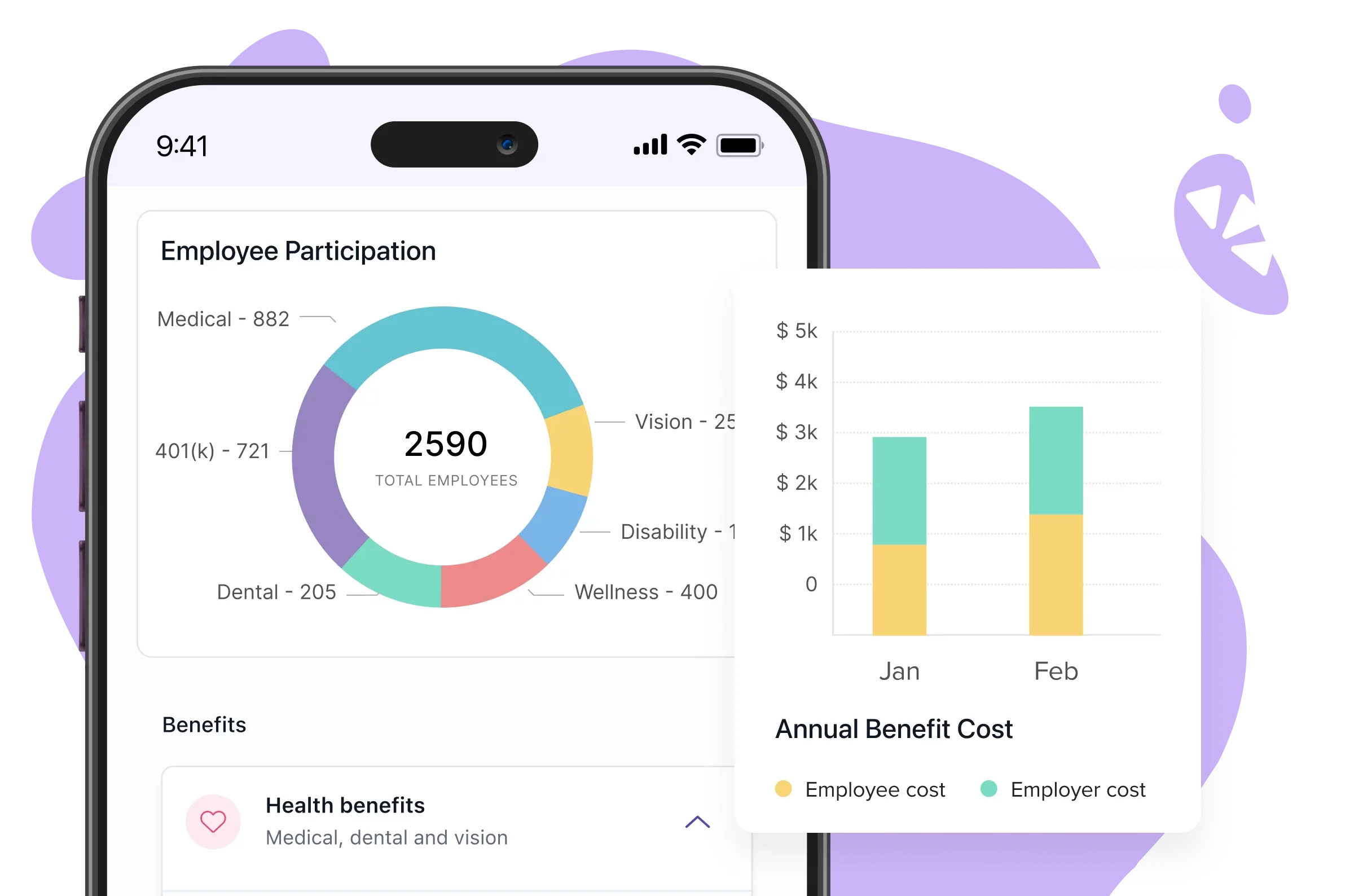
Employee benefits are meant to attract and retain talent, yet many programs fall short of that goal. HR teams put in significant effort to design packages, negotiate with providers, and roll out policies with the belief that everything is clear and accessible.
From the employee side, the experience often looks very different. Benefits feel rigid, communication is scattered, and the process of choosing or using them seems complicated. What was built to support people ends up confusing them, and the result is underutilization.
This perception gap creates frustration on both sides. HR wonders why benefits don’t improve engagement, while employees question the actual value of what’s being offered. Instead of strengthening retention, benefits turn into a missed opportunity.
Employee benefits software helps close this gap. It centralizes programs in one place, makes options transparent, and automates much of the administration. Employees get clarity and choice, while HR gains visibility into costs, compliance, and usage trends.
In this guide, we’ll explore the best employee benefits software in 2026, with details on features, pricing, pros and cons, and recommendations for different organizational needs.
Research Methodology: How I Evaluated Employee Benefits Software
To identify the best employee benefits software in 2026, I focused on the challenges HR teams actually face when managing benefits and the value employees expect to see from them. Each platform was assessed on the following:
- Plan Design Flexibility: Whether the software supports varied packages, allowances, and perks that can be tailored to different employee groups.
- Communication & Transparency: How well the system explains eligibility, coverage, and available options to employees in clear and accessible ways.
- Compliance & Administration: Features that reduce the risk of errors, ensure adherence to local regulations, and automate routine tasks like enrollment and updates.
- Employee Self-Service: Tools that give employees direct access to their benefits, claims, and usage history without always going through HR.
- Analytics & Insights: Dashboards that help HR track utilization, costs, and trends so they can refine programs over time.
- Integration & Scalability: The ability to connect with payroll, HRIS, and other systems while supporting organizations as they grow.
Top 10 Employee Benefits Software in 2026
Modern benefits platforms help HR teams provide flexible options, ensure compliance, and give employees clear visibility into the value of their total rewards. With the right software, companies can streamline administration and improve employee satisfaction at the same time.
Here are the ten best employee benefits software in 2026.
1. Keka
Keka is the best employee benefits software that integrates payroll, HR, and benefits in one system. It helps HR teams manage health insurance, allowances, reimbursements, and other perks with accuracy and transparency. It also supports flexible benefits policies so companies can design packages that fit employee needs and budgets.


Key Features of Keka Employee Benefits Software:
- Benefits administration: Manage health insurance, allowances, reimbursements, and perks in one system.
- Flexible policies: Create customized benefits structures for different employee groups or roles.
- Payroll integration: Sync benefits with salary processing to ensure accuracy and compliance.
- Employee self-service: Give employees access to view and manage their benefits and claims.
- Automated compliance: Ensure adherence to statutory requirements and benefit-related regulations.
- Budget planning: Forecast and allocate benefit costs to align with company budgets.
- Custom reporting: Track benefits usage, claims, and cost trends with detailed analytics.
- Mobile accessibility: Allow employees to check benefits and submit claims through the app.
Pros and Cons of Keka Employee Benefits Software
| Pros | Cons |
|---|---|
| Automates benefit administration to reduce manual HR workload. | Advanced benefit customization may require additional vendor support. |
| Links benefits with payroll to ensure accuracy and compliance. | Reporting on niche or highly specialized benefits could be more detailed. |
| Improves transparency by giving employees real-time visibility into benefits. | |
| Supports forecasting and budget planning for benefit costs. |
Ideal For:
Companies that want to manage payroll, HR, and benefits on a single platform with flexible policies and strong automation.
Pricing:
- Foundation: $9/employee/month
- Strength: $16/employee/month
- Growth: $22/employee/month
Expert’s Opinion:
Keka is one of the best employee benefits platforms in India because it makes benefit administration simple and accurate. HR teams save time through automation, and employees feel more engaged when they have clear visibility into their perks. The system’s integration with payroll ensures fewer errors and better compliance. It is especially effective for organizations that want a single platform for HR, payroll, and benefits, though companies that need highly advanced benefits analytics may require extra customization.
2. Vantage Circle
Vantage Circle is a benefits and rewards platform that focuses on employee discounts, recognition, and wellbeing initiatives. It provides access to a large catalog of perks and integrates them with recognition programs to improve engagement.

Key Features of Vantage Circle Employee Benefits Software:
- Discount Marketplace: Access corporate discounts on retail, dining, travel, and wellness.
- Recognition Integration: Connect benefits with recognition programs to improve visibility.
- Analytics: Track benefits usage and redemption patterns.
- Wellness Initiatives: Provide employees with fitness and wellbeing-related perks.
Pros and Cons of Vantage Circle Employee Benefits Software
| Pros | Cons |
|---|---|
| It has a large network of discounts across retail, dining, travel, and lifestyle. | The benefits catalog has stronger coverage in metro areas than in smaller towns. |
| Combines recognition with perks to encourage higher participation. | Insurance and statutory benefits are not supported within the platform. |
| Analytics give HR visibility into which benefits are most valued. | Global catalog options are limited compared to local benefits. |
| Wellness-focused perks support employee health initiatives. | Redemption depends on third-party vendors, which can delay fulfillment. |
Ideal For: Companies that want to improve engagement with discounts, recognition, and wellness benefits.
Pricing: Pricing depends on employee count and modules selected and is available from the vendor.
Expert’s Opinion:
Vantage Circle is a popular benefits platform that engages employees through discounts, recognition, and wellness perks. Its marketplace approach drives adoption and satisfaction by giving employees choice. It works well for companies focused on lifestyle and engagement benefits, though organizations needing deeper insurance or compliance-based benefits may find it less comprehensive.
3. Xoxoday Plum
Xoxoday Plum provides digital-first benefits, rewards, and perks to employees through gift cards, vouchers, and experiential options. It focuses on flexibility and ease of distribution, making it simple for HR to manage diverse benefit categories.

Key Features of Xoxoday Plum Employee Benefits Software:
- Digital Rewards Catalog: Provide employees with vouchers, gift cards, and experiences.
- Automated Distribution: Send benefits instantly through a centralized platform.
- Integrations: Connect with HRMS and payroll systems for streamlined delivery.
- Analytics and Tracking: Monitor benefit usage and redemption rates.
Pros and Cons of Xoxoday Plum Employee Benefits Software
| Pros | Cons |
|---|---|
| Large and diverse catalog covering retail, travel, food, and experiences. | Catalog breadth can vary by country, limiting consistency for global teams. |
| Instant delivery reduces HR effort in managing rewards. | Insurance, retirement, and statutory benefits are not included. |
| Integrations with HRMS and payroll simplify benefit administration. | Some advanced analytics are limited to higher subscription tiers. |
| Provides redemption data that helps HR assess ROI. | HR teams may need to supplement Plum with compliance-focused tools. |
Ideal For: Companies looking for flexible, digital-first benefits with quick distribution.
Pricing: Pricing is flexible based on workforce size and usage volume, with tailored packages offered by Xoxoday.
Expert’s Opinion:
Xoxoday Plum is a good option if you want to deliver digital perks quickly and at scale. Its catalog-driven model offers flexibility for employees and saves HR time. It is especially effective for organizations focused on modern, lifestyle-driven perks, though it is not designed to replace compliance-heavy benefits like insurance or retirement.
4. Gusto
Gusto is a payroll and benefits platform built for small and mid-sized businesses. Its benefits module, however, is primarily designed for the US market and covers health insurance, retirement plans, and other US-regulated benefits.

Key Features of Gusto Employee Benefits Software:
- Health and Retirement Plans (US only): Provide insurance and 401(k) options in the US.
- Payroll Integration: Sync payroll with allowances and deductions.
- Global Hiring Support: Hire and pay employees or contractors in India.
- Compliance Tools (US): Automate benefits-related tax and filings for US businesses.
Pros and Cons of Gusto Employee Benefits Software
| Pros | Cons |
|---|---|
| Combines payroll and benefits in one system for small businesses. | Benefits administration is focused on US regulations and carriers. |
| Supports hiring and payments in India with INR payroll. | Does not automate Indian statutory benefits like EPF or ESI. |
| Easy setup for small HR teams to manage payroll and allowances. | International teams only get basic benefits coverage. |
| Useful for companies running distributed teams across countries. | Larger enterprises may find scalability limited. |
Ideal For: US-based small and mid-sized companies that want payroll and benefits management in a single system.
Pricing:
- Simple: $19.60/month + $2.40/month/person
- Plus: $32/month + $4.80/month/person
- Premium: $72/month + $8.80/month/person
Expert’s Opinion:
Gusto is a popular platform for small businesses that want payroll and benefits bundled in one place. Its support for hiring in India makes it relevant for global firms managing distributed teams. However, its benefits administration is still built around US laws and providers, so Indian companies looking for EPF, ESI, or local insurance integration may need a more localized solution.
5. Qandle
Qandle is an India-based HR and payroll platform that includes benefits management alongside attendance, performance, and compliance tools. It enables HR teams to automate reimbursements, track allowances, and manage group insurance while integrating everything directly with payroll.

Key Features of Qandle Employee Benefits Software:
- Reimbursement Management: Automate processing of travel, meals, and other claims.
- Allowance Tracking: Configure allowances and link them with payroll.
- Insurance Support: Administer group medical and other coverage options.
- Compliance Monitoring: Ensure statutory benefit compliance in payroll cycles.
Pros and Cons of Qandle Employee Benefits Software
| Pros | Cons |
|---|---|
| Automates reimbursements and allowances to save HR time. | Limited benefits catalog compared to global platforms. |
| Provides insurance administration within the HR suite. | Benefits reporting and analytics are relatively basic. |
| Strong alignment with Indian statutory compliance. | Advanced customization of non-standard benefits may require support. |
| Employee self-service reduces routine HR workload. | Adoption is mostly within India, with limited global presence. |
Ideal For: Companies in India that want a payroll-linked system to manage allowances, insurance, and compliance.
Qandle Pricing:
- Foundation: ₹2,450/month + ₹49/month per additional employee
- Regular: ₹3,950/month + ₹79/month per additional employee
- Plus: ₹4,950/month + ₹99/month per additional employee
- Premium: ₹6,450/month + ₹129/month per additional employee
Expert’s Opinion:
Qandle is well-suited for Indian businesses that want to manage benefits and payroll in one system. Its automation reduces HR effort, and compliance support ensures accuracy in statutory payouts. The insurance and reimbursement features make it useful for organizations with standard benefit policies. However, companies with complex benefit structures or multinational operations may find the platform less comprehensive compared to global providers.
6. Darwinbox
Darwinbox is a cloud-based HRMS platform that covers the entire employee lifecycle, including payroll and benefits administration. It allows organizations to configure custom policies, manage allowances, and set up group insurance while linking everything directly with payroll. The platform gives HR teams visibility into benefit distribution and ensures compliance with statutory requirements.

Key Features of Darwinbox Employee Benefits Software:
- Policy Configuration: Define and customize benefit policies to align with company rules.
- Allowance Management: Track allowances such as travel or meals and sync them with payroll.
- Insurance Administration: Manage group health and corporate insurance programs.
- Analytics: Gain visibility into usage trends and benefit distribution across the workforce.
Pros and Cons of Darwinbox Employee Benefits Software
| Pros | Cons |
|---|---|
| Offers detailed policy customization for allowances and perks. | Reporting for benefits is not as advanced as for other HR modules. |
| Syncs benefits with payroll to minimize calculation errors. | Policy configuration can take significant time during implementation. |
| Supports group insurance and company-wide benefits programs. | Employee self-service for benefits is less intuitive than other parts of the system. |
| Provides analytics to monitor adoption and usage trends. | Limited scope for global benefits administration. |
Ideal For: Medium and large enterprises that want benefits administration as part of a wider HRMS.
Pricing: Pricing is calculated based on employee count and modules chosen and is shared by Darwinbox on request.
Expert’s Opinion:
Darwinbox integrates benefits into its wider HR suite, making it useful for organizations that prefer a unified platform. Its customization options and payroll integration reduce errors and support compliance. It works well for medium and large enterprises, but its benefits reporting is less advanced than specialized tools, and multinational coverage is still limited compared to global providers.
7. BambooHR
BambooHR is an HR software platform designed for small and mid-sized businesses. It includes tools for tracking employee benefits, linking them with payroll, and providing self-service access for employees. HR teams can record insurance, allowances, and other perks while monitoring participation and enrollment trends.

Key Features of BambooHR Employee Benefits Software:
- Benefits Tracking: Record health insurance, allowances, and perks within the HR system.
- Self-Service Access: Allow employees to view and manage their benefit information.
- Payroll Integration: Connect benefits data with payroll for accurate deductions.
- Reporting Tools: Generate reports on enrollment and benefit participation.
Pros and Cons of BambooHR Employee Benefits Software
| Pros | Cons |
|---|---|
| Makes it easy for employees to enroll in benefits and track eligibility. | Lacks full-featured benefits administration, such as direct insurance integration. |
| Centralizes benefit information so HR and employees see the same data. | Limited support for statutory benefits outside the US. |
| Useful for monitoring participation trends during open enrollment. | Customization of benefit types is restricted compared to specialized tools. |
| Provides clear record-keeping of historical benefits choices. | Better suited for smaller teams, not large enterprises with complex policies. |
Ideal For: Small and mid-sized businesses that want straightforward benefits tracking linked with payroll.
Pricing: BambooHR adjusts pricing based on company size and selected features, and details are provided by the vendor.
Expert’s Opinion:
BambooHR helps smaller businesses track and manage benefits without added complexity. Its self-service access improves transparency, and payroll integration ensures accuracy. It is a good fit for organizations with simple benefit needs, but larger companies or those managing complex global benefit structures may find the platform limited.
8. Zenefits
Zenefits, now operating as TriNet Zenefits, is known for its payroll and benefits platform. For Indian employers, its benefits capabilities are more limited compared to local providers, but it is sometimes used by global companies with distributed teams. HR teams can still track perks, allowances, and policies through the broader HR suite, even if insurance and statutory benefits are not localized.

Key Features of Zenefits Employee Benefits Software:
- Insurance Management (US-centric): Administer health, dental, and vision coverage.
- Compliance Support: Automate filings and stay aligned with regulations.
- Perks and Allowances: Configure company-level perks and policies.
- Employee Self-Service: Provide employees with access to their benefits data.
Pros and Cons of Zenefits Employee Benefits Software
| Pros | Cons |
|---|---|
| Integrates payroll and benefits in one platform. | Benefits administration is designed around US regulations. |
| Provides self-service access for employees to view benefits. | Indian statutory benefits are not fully supported. |
| Supports policy setup for allowances and perks. | Limited global insurance and retirement options. |
| Works well for distributed teams when combined with payroll. | Less suited for companies looking for end-to-end benefits in India. |
Ideal For: Global companies with US headquarters and Indian teams that want a single HR system with limited benefits support outside the US.
Pricing: Zenefits provides tiered pricing based on features and employee count.
Expert’s Opinion:
Zenefits is effective for US-based businesses that want payroll and benefits in one platform. Its Indian presence allows some policy tracking, but health insurance and statutory benefits are not as localized as tools built for India. It works best for global teams that already use Zenefits elsewhere, but Indian companies may prefer local providers with stronger compliance and insurance support.
9. GreytHR
GreytHR is one of India’s most widely used HR and payroll platforms, built specifically for small and mid-sized companies. Its benefits module includes reimbursements, allowances, and compliance, with direct integration into payroll. Employees can submit claims, track reimbursements, and access their benefit data from the self-service portal or mobile app.

Key Features of GreytHR Employee Benefits Software:
- Reimbursements: Automate employee claims for travel, food, and other expenses.
- Payroll Linkage: Sync allowances and reimbursements with salary processing.
- Employee Self-Service: Give employees access to claims and approvals online.
- Compliance Automation: Ensure statutory benefits are calculated correctly.
Pros and Cons of GreytHR Employee Benefits Software
| Pros | Cons |
|---|---|
| Widely adopted in India with strong local compliance features. | Does not manage global insurance or retirement benefits. |
| Automates reimbursements and allowances to save HR time. | Limited analytics for tracking long-term benefits trends. |
| Employee self-service reduces administrative workload. | Advanced customization of perks is minimal. |
| Mobile app support improves employee access. | Focused on small and mid-sized firms, less suited for large multinationals. |
Ideal For: Small and mid-sized Indian businesses that want payroll-integrated benefits and statutory compliance automation.
Pricing: GreytHR offers subscription plans tailored to company size and modules, with pricing available on request.
Expert’s Opinion:
GreytHR is a popular HR platform in India because of its strong statutory compliance and easy payroll integration. It reduces manual work for HR while giving employees simple access to their reimbursements and benefits. It is ideal for small and medium enterprises, though large or global organizations may need broader features than GreytHR provides.
10. Justworks
Justworks is a Professional Employer Organization (PEO) and HR platform based in the US. It provides payroll, HR, and benefits administration by pooling employees under its PEO model to access better rates for health insurance and retirement plans. In India, Justworks operates through Employer of Record (EOR) arrangements, which means it can handle payroll, compliance, and some basic benefits for distributed teams.

Key Features of Justworks Employee Benefits Software:
- PEO Model: Pool employees to access competitive US insurance plans.
- Payroll and HR: Combine benefits administration with core HR services.
- Compliance Support: Automate filings and reduce risk for US companies.
- Global EOR Services: Provide payroll and compliance for international teams, including India.
Pros and Cons of Justworks Employee Benefits Software
| Pros | Cons |
|---|---|
| PEO structure makes benefits affordable for smaller US companies. | Full benefits administration is focused on the US. |
| Combines HR, payroll, and benefits in one package. | Limited insurance and retirement benefits are available in India. |
| Automates compliance and filings for businesses. | Less flexibility for firms that prefer direct control over benefits. |
| EOR services cover payroll and compliance for Indian teams. | Benefit options outside the US are basic. |
Ideal For: US companies with global teams that want to outsource HR, payroll, and benefits through a PEO or EOR model.
Pricing: Justworks charges per employee per month, and costs vary depending on company size and plan type.
Expert’s Opinion:
Justworks simplifies payroll and benefits for small businesses in the US and extends coverage to Indian teams through EOR services. It is practical for companies that want outsourced HR support and bundled compliance. However, its benefits administration remains US-centric, so Indian businesses looking for localized benefits will not find it comprehensive.
Best Employee Benefits Software in 2026: A Brief Comparison
Modern benefits platforms reduce HR workload by automating policies and compliance. They also give employees clear visibility into their perks, which improves satisfaction and engagement. Here’s a quick overview of the top 10 employee benefits platforms for 2026.
| Software | Key Features | Best For | G2 Rating | Free Trial |
|---|---|---|---|---|
| Keka |
| Companies that want payroll, HR, and benefits in one platform with automation and flexibility | 4.5/5 | Yes |
| Vantage Circle |
| Companies that focus on lifestyle perks, discounts, and wellness programs | 4.4/5 | Yes |
| Xoxoday Plum |
| Organizations that need flexible, digital-first perks with quick delivery | 4.5/5 | Yes |
| Gusto |
| Small and mid-sized US companies that want payroll and benefits in one system | 4.6/5 | No |
| Qandle |
| Indian companies that need payroll-linked reimbursements, insurance, and compliance | 4.3/5 | Yes |
| Darwinbox |
| Medium and large enterprises that want benefits within a broader HRMS | 4.4/5 | No |
| BambooHR |
| Small and mid-sized businesses that need straightforward benefits tracking | 4.5/5 | Yes |
| Zenefits |
| US-based global companies that want payroll and benefits bundled, with a limited India focus | 4.2/5 | No |
| GreytHR |
| Indian SMEs that need payroll-integrated statutory benefits and reimbursements | 4.4/5 | Yes |
| Justworks |
| US businesses with global teams that prefer outsourcing HR, payroll, and benefits | 4.6/5 | No |
Which Employee Benefits Software is the Right Pick For Your Business
The best benefits platform depends on how your company designs policies, manages compliance, and delivers perks. Different tools fit different priorities. Here’s how the leading options compare:
1. Unified HR, Payroll, and Benefits
For companies that want one system to manage everything in one place.
- Keka: Combines payroll, HR, and benefits so allowances, reimbursements, and insurance stay accurate and compliant.
- Darwinbox: Links benefits to a larger HRMS, useful for medium and large enterprises.
- Qandle: Provides payroll-linked benefits for Indian companies with statutory compliance built in.
2. Lifestyle Perks and Discounts
For teams that focus on engagement through discounts and lifestyle-driven benefits.
- Vantage Circle: Offers a large catalog of retail, travel, and wellness discounts connected with recognition programs.
- Xoxoday Plum: Provides vouchers, gift cards, and experiences that can be distributed instantly.
- BambooHR: Tracks simple perks and makes benefits transparent for small teams.
3. Compliance and Statutory Benefits
For organizations where accuracy in statutory payouts and reporting is a top priority.
- Keka: Automates compliance in payroll and benefits so HR teams reduce errors and stay audit-ready.
- GreytHR: Strong on Indian statutory compliance with payroll-linked reimbursements and allowances.
- Darwinbox: Custom policies and compliance tools built into a broader HR suite.
4. Global and Distributed Teams
For companies managing employees across countries.
- Justworks: Uses its PEO and EOR model to provide payroll, benefits, and compliance for US and international teams.
- Gusto: Handles US-regulated benefits and supports hiring and payroll in India.
- Zenefits: Works best for US-based global firms that need payroll and benefits in one system.
5. Advanced Analytics and Insights
For HR teams that want visibility into benefit usage and ROI.
- Keka: Provides detailed reports on reimbursements, allowances, and claims to guide planning.
- Vantage Circle: Tracks which discounts and perks employees use most.
- Xoxoday Plum: Gives redemption data so HR can measure the impact of digital perks.
Top Picks for Employee Benefits Software
If you are in a hurry, here’s a quick comparison of the leading employee benefits platforms in 2026.
| Category | Software | Why It Stands Out |
|---|---|---|
| Unified HR, Payroll, and Benefits | Keka | Delivers payroll, HR, and benefits in one system so employees and HR get accuracy, compliance, and transparency without juggling multiple tools. |
| Darwinbox | Provides detailed policy customization and insurance programs inside a full HR suite, making it practical for larger enterprises. | |
| Qandle | Keeps reimbursements, allowances, and compliance simple for Indian companies through payroll-linked automation. | |
| Lifestyle Perks and Discounts | Vantage Circle | Uses a wide discount marketplace and recognition tie-ins to keep employees engaged with perks they can use daily. |
| Xoxoday Plum | Focuses on digital-first perks like vouchers and gift cards, giving employees instant access and HR teams easy distribution. | |
| BambooHR | Makes benefit tracking straightforward and transparent for small businesses, with easy self-service access for employees. | |
| Compliance and Statutory Benefits | Keka | Automates compliance inside payroll and benefits so HR teams reduce errors and stay audit-ready. |
| GreytHR | Excels at automating statutory compliance in India, giving SMEs reliable benefit administration with minimal HR effort. | |
| Darwinbox | Offers compliance-linked policy configuration and insurance programs as part of a wider HR suite. | |
| Global and Distributed Teams | Justworks | Simplifies HR and benefits for global teams through its PEO and EOR model, making it easier for smaller companies to access enterprise-grade perks. |
| Gusto | Combines payroll and benefits in one platform, offering US-regulated insurance and retirement while also supporting payroll in India. | |
| Zenefits | Provides payroll and benefits in a single system, with a focus on US regulations but enough flexibility for distributed teams that need basic coverage. | |
| Advanced Analytics and Insights | Keka | Provides detailed reporting on allowances, reimbursements, and claims so HR can track benefit usage and plan budgets better. |
| Vantage Circle | Tracks redemption and usage patterns to help HR measure the impact of perks. | |
| Xoxoday Plum | Delivers redemption data that shows which digital perks employees prefer most. |
How to Choose the Right Employee Benefits Software?
Employee benefits software should fit the way your organization works. The choice needs to balance what employees value, what HR can manage, and where the business is headed.
Consider these features when choosing an employee benefits solution:
- Scale and growth plans: A system that works for 100 people may not work for 1,000. Pick software that can scale with headcount, new locations, and evolving benefit structures so you don’t outgrow it too quickly.
- Feature relevance: Not every company needs wellness perks or global catalogs. Focus on features that directly support your policies, whether that’s reimbursements, insurance, or lifestyle benefits.
- Integration capabilities: The benefits system should work hand in hand with payroll, HR, and compliance tools. When these systems are connected, allowances, reimbursements, and deductions flow automatically, which saves time and reduces errors.
- Compliance support: Laws around PF, ESI, healthcare, or retirement change often and vary by region. A reliable platform keeps pace with these rules, ensures accurate calculations, and reduces the risk of mistakes that can cost both money and trust.
- User experience: Employees should be able to check their benefits, make claims, and track approvals without confusion. If the process feels simple and transparent, usage goes up, and HR spends less time answering routine questions.
- Customization and flexibility: Benefits differ across levels, roles, and locations. A strong system allows HR to design different policies for each group and adjust them as budgets, business priorities, or workforce needs evolve.
- Support and implementation: A benefits platform is only effective if it is rolled out properly. The vendor should provide hands-on help during setup, clear training for HR and employees, and reliable support to fix issues quickly so the system becomes part of daily use without disruptions.
- Budget: Subscription cost is only part of the picture. The right software saves HR hours, prevents compliance penalties, and improves employee satisfaction, which together deliver far more value than the price tag alone.
Conclusion
Employee benefits software has become a core part of how organizations manage people. It reduces the manual load on HR, keeps policies compliant, and gives employees clear visibility into the value of their perks. When benefits are easy to understand and access, they build trust and play a direct role in engagement and retention.
Among the platforms reviewed, Keka stands out as the most complete choice for companies that want payroll, HR, and benefits in one system. It combines flexibility in policy design with automation that reduces errors, and its self-service tools make benefits transparent for employees.
For organizations in India or global firms with Indian teams, Keka offers the right balance of compliance, ease of use, and integration, making it the strongest option to build a fair and effective benefits program.


