Login


Compliance looks simple on paper, but in the US, it has become one of the most demanding functions for businesses. Regulations shift at the federal, state, and even city levels. Labor laws, data privacy rules, and industry-specific standards keep evolving, and audits or legal actions can come with little warning.
The consequences of non-compliance go beyond fines. Non-compliance in the US can mean lawsuits, damaged reputation, loss of licenses, or restrictions on government contracts. Employees lose trust, leadership becomes risk-averse, and what should build stability instead creates constant anxiety across the organization.
Compliance management software helps companies handle these pressures. It centralizes policies, tracks regulatory updates, automates reporting, and keeps audit records ready. With the right system, US businesses can stay ahead of federal and state requirements, avoid costly penalties, and create a culture of accountability.
In this guide, we explore the best compliance management software in 2026, with details on features, pricing, pros and cons, and which platforms suit organizations operating across the United States.
Research Methodology: How I Evaluated Compliance Management Software in the US
To identify the best compliance management software for US businesses in 2026, I focused on the regulations and risks that matter most to HR, legal, and operations teams. Each platform was assessed on the following:
- Regulatory Coverage: Does the software support compliance with key US regulations such as OSHA, HIPAA, SOX, FLSA, and state-specific labor laws? I looked for tools that update automatically as laws change.
- Policy and Document Management: Can policies, training records, and certifications be stored and tracked in one place? I checked whether systems provide version control and audit trails that stand up during inspections.
- Audit Readiness: Does the platform make it easy to generate reports, demonstrate compliance, and respond quickly to regulators or auditors? I looked for tools that minimize the time spent preparing for audits.
- Risk and Incident Tracking: Can the system log compliance incidents, assign corrective actions, and track resolution? Strong tools should reduce repeat violations by turning incidents into learning opportunities.
- Employee Training and Acknowledgement: Does the software integrate training modules and track employee sign-offs on required policies? I reviewed how well platforms ensure proof of training and acknowledgements.
- Reporting and Analytics: Are there dashboards that highlight compliance gaps, track completion rates, and provide data for leadership? I looked for insights that go beyond tracking tasks to actually improving programs.
- Integration and Scalability: Can the platform connect with HRIS, payroll, or industry-specific systems, and scale to meet the needs of companies that operate across multiple states?
Best Compliance Management Software in 2026
Compliance management software helps businesses reduce risks, automate reporting, and keep policies aligned with constantly changing legal requirements.
Here are the ten best compliance management software in 2026.
1. Keka
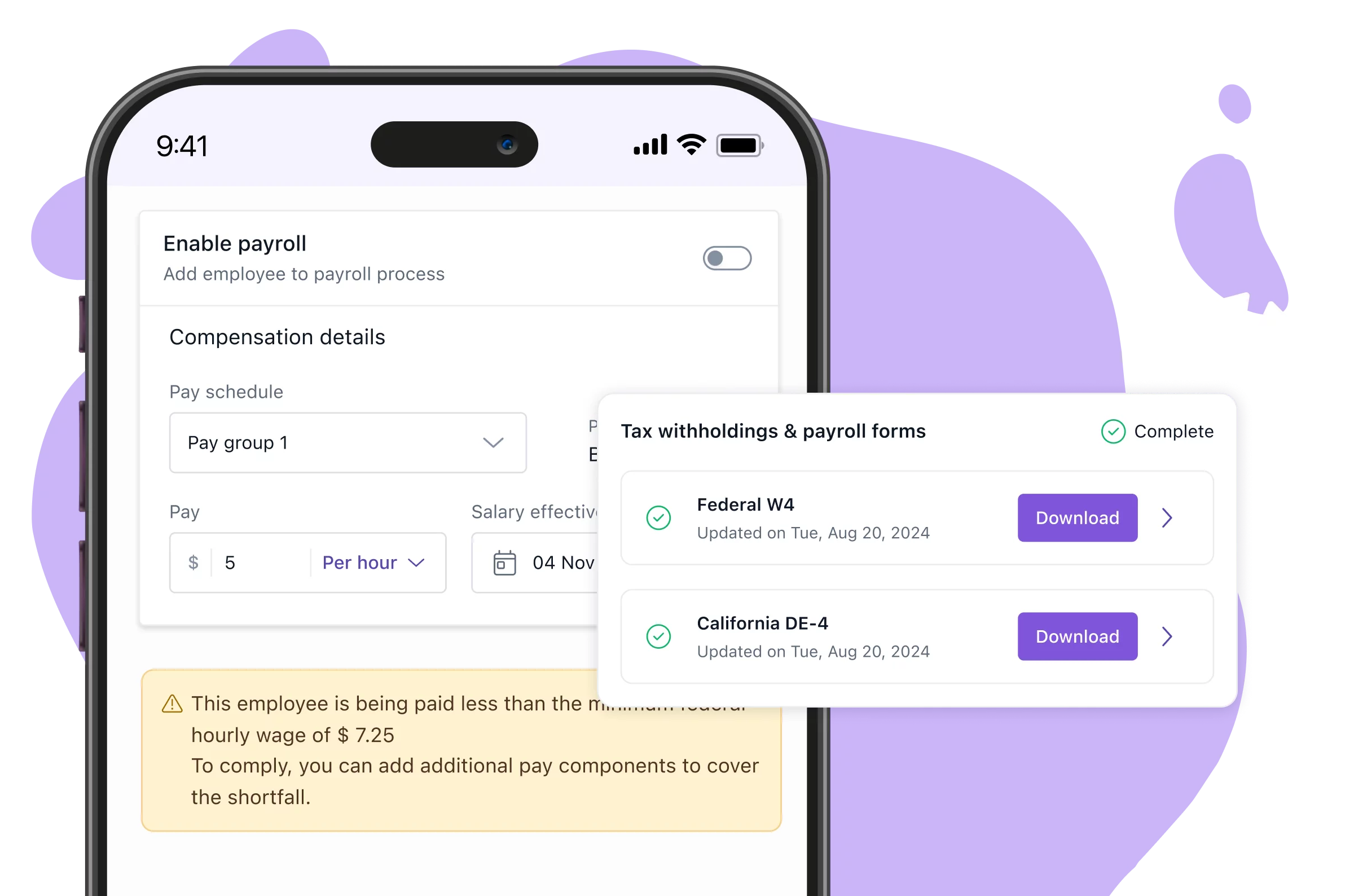
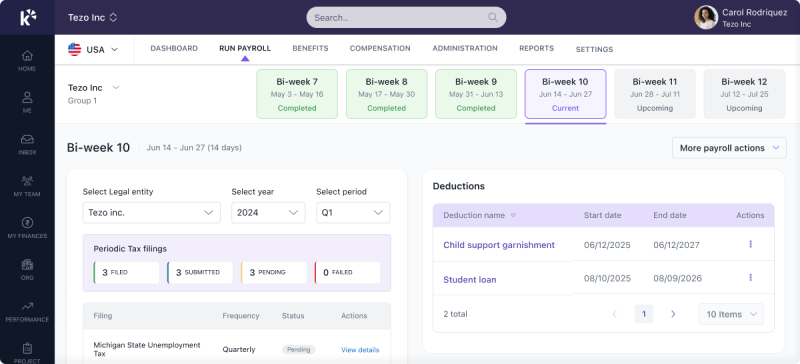
Keka helps US businesses manage HR and payroll compliance in one platform. It automates tax filings, monitors labor law changes, and keeps sensitive employee records secure. The system also tracks compliance workflows such as I-9 documentation, EEO reporting, and wage-related obligations. Keka brings these processes together in a single system so compliance becomes part of everyday HR and payroll operations.


Key Features of Keka Compliance Management Software:
- Tax and Filing Compliance: Automates federal, state, and local deductions with timely updates.
- Labor Law Tracking: Monitors wage and hour regulations and applies them across employee groups.
- I-9 and EEO Documentation: Maintains legally required employee records for audits.
- End-to-End Audit Trail: Provides detailed logs of payroll and compliance actions.
- Secure Data Handling: Protects employee information with access controls and encryption.
- Deadline Alerts: Sends reminders for filing dates, renewals, and document expiry.
- Integration with HR Workflows: Connects compliance steps with payroll, benefits, and onboarding.
Pros and Cons of Keka Compliance Management Software
| Pros | Cons |
|---|---|
| Automates recurring payroll tax filings and updates. | Some advanced labor law customizations need vendor setup. |
| Provides audit-ready records that ease internal and external reviews. | Limited integrations with niche third-party compliance systems. |
| Embeds compliance into payroll and onboarding workflows. | |
| Tracks employee documentation such as I-9s and EEO reports. |
Ideal For: US companies that want compliance workflows connected to payroll and HR in one system.
Pricing:
- Foundation: $9/employee/month
- Strength: $16/employee/month
- Growth: $22/employee/month
Expert’s Opinion:
Keka is the best compliance management software and is effective for businesses that want day-to-day compliance connected directly to payroll and HR data. It reduces manual effort by keeping filings, documentation, and audits in one system. Keka makes compliance more transparent and manageable for HR teams, which helps businesses stay aligned with changing regulations without adding extra tools.
2. OneTrust GRC
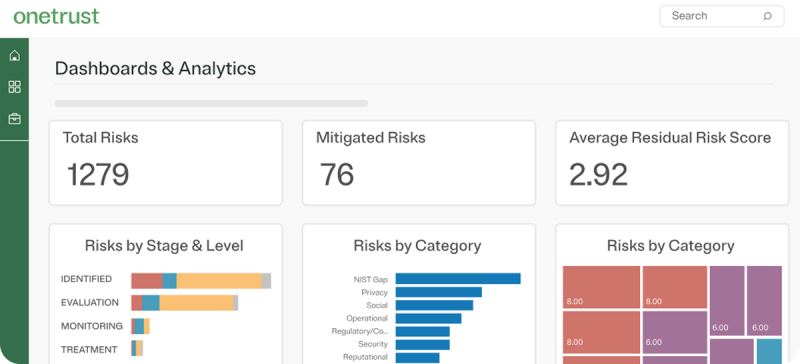
OneTrust GRC is a governance, risk, and compliance platform that helps organizations manage regulatory frameworks, privacy rules, and risk assessments. It supports US regulations like SOX and HIPAA while also covering global standards such as GDPR. The platform centralizes compliance documentation and workflows, with reporting tools that make audits easier to manage.
Key Features of OneTrust GRC:
- Regulatory Mapping: Track compliance requirements across US and global frameworks.
- Risk Assessment Tools: Identify and prioritize organizational risks.
- Audit and Reporting: Generate evidence and reports for internal and external audits.
- Workflow Automation: Manage compliance approvals and monitoring in one system.
Pros and Cons of OneTrust GRC
| Pros | Cons |
|---|---|
| Covers multiple US and international regulations. | Initial setup can take significant time. |
| Provides structured audit trails and reporting. | Complex features may be difficult for smaller teams. |
| Modular design allows gradual adoption of tools. | Integration with third-party HR or payroll systems is limited. |
| Helps standardize compliance workflows across departments. | Ongoing licensing costs may be high for SMEs. |
Ideal For: US organizations that manage compliance with multiple regulations and want centralized audit reporting.
Pricing: Follows a modular, custom pricing model based on selected compliance areas.
Expert’s Opinion:
OneTrust GRC is suitable for organizations that need a platform to manage compliance across multiple regulatory frameworks. Its modular structure lets businesses start small and expand as requirements grow, which reduces upfront complexity. For smaller companies, the depth of functionality can feel more extensive than necessary, especially if their compliance scope is narrow.
3. MetricStream GRC Platform
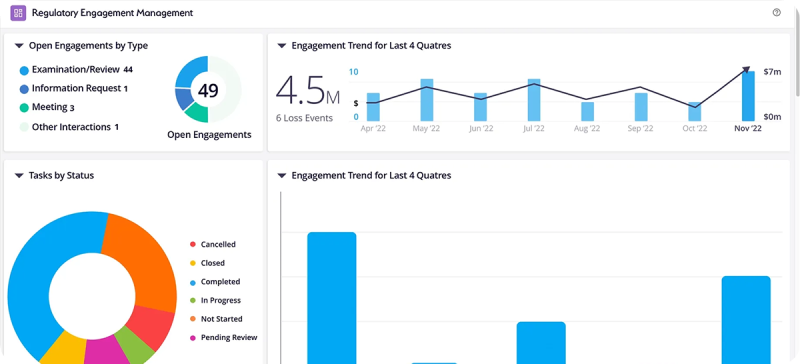
The MetricStream GRC Platform helps organizations manage risk, compliance, and governance processes on a unified system. It supports US compliance needs, including SOX, HIPAA, and OSHA, and provides tools for policy management and risk mitigation. The system connects compliance teams across departments, which makes it easier to track accountability and reporting.
Key Features of MetricStream GRC Platform:
- Policy Management: Create, distribute, and monitor compliance policies.
- Risk Monitoring: Identify risks and assign ownership for resolution.
- Regulatory Compliance Tools: Align processes with SOX, HIPAA, and OSHA.
- Audit Management: Track and document audit findings in real time.
Pros and Cons of MetricStream GRC Platform
| Pros | Cons |
|---|---|
| Covers compliance needs for multiple US regulatory bodies. | Implementation timelines can be lengthy. |
| Centralizes policy management for better visibility. | System configuration often requires vendor involvement. |
| Risk monitoring links compliance gaps to accountable teams. | The user interface can feel complex for non-technical users. |
| Suited to heavily regulated industries like healthcare and finance. | Cost is higher than simpler compliance platforms. |
Ideal For: Enterprises in regulated industries that need a unified GRC platform with detailed audit and policy management.
Pricing: Uses enterprise-level custom pricing that varies with deployment scope.
Expert’s Opinion:
The MetricStream GRC Platform is a fit for enterprises in highly regulated sectors where policy, risk, and audit functions need to be managed together. It provides depth in areas like regulatory alignment and policy enforcement, which makes it practical for compliance-heavy environments. However, the level of configuration required means organizations looking for a quick, lightweight compliance solution may find MetricStream more complex than they need.
4. NAVEX IRM
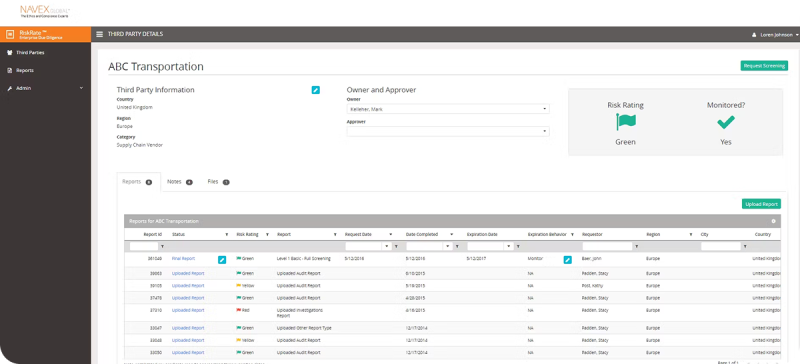
NAVEX IRM (Integrated Risk Management) helps organizations manage compliance and risk by centralizing regulatory requirements, controls, and monitoring. It includes features for policy enforcement, third-party risk assessment, and audit preparation. NAVEX IRM also supports compliance with US laws such as SOX and HIPAA, and it also offers tools for broader enterprise risk management.
Key Features of NAVEX IRM:
- Regulatory Tracking: Monitor requirements for SOX, HIPAA, and industry-specific laws.
- Third-Party Risk: Assess vendors and partners for compliance alignment.
- Policy and Control Management: Standardize and enforce policies across teams.
- Audit and Evidence Collection: Prepare for audits with centralized records.
Pros and Cons of NAVEX IRM
| Pros | Cons |
|---|---|
| Offers integrated risk and compliance monitoring in one framework. | Limited depth in HR compliance compared to dedicated HR/payroll platforms. |
| Includes vendor and third-party risk assessment capabilities. | Vendor risk assessments require extensive data collection that slows adoption. |
| Provides centralized audit evidence collection. | Continuous monitoring only works well if integrated systems feed accurate data. |
| Covers US frameworks like SOX and HIPAA. | Industry-specific guidance is less developed than competitors like Keka |
Ideal For: Mid-sized and large US businesses that want compliance and risk management combined in one platform.
Pricing: Offers custom pricing tied to users and activated risk modules.
Expert’s Opinion:
NAVEX IRM is well-suited for organizations that need compliance processes tied directly to broader risk management. Its third-party assessment tools make it valuable for companies that depend on vendors and external partners. While the platform is effective for mid-sized and large businesses, companies with lighter compliance requirements may find the system more complex than they need.
5. SAP GRC
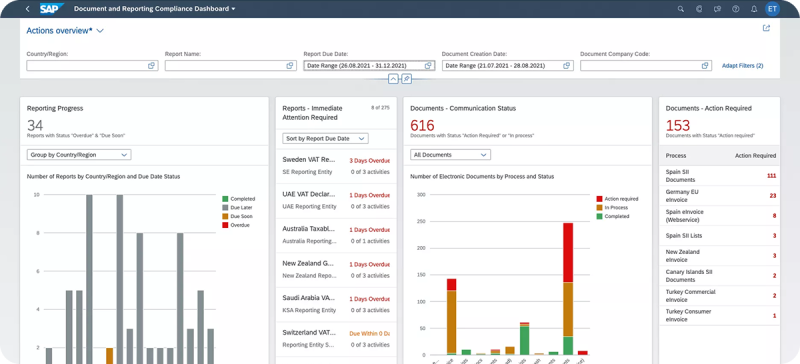
SAP GRC (Governance, Risk, and Compliance) helps enterprises manage risks, monitor internal controls, and stay aligned with regulatory standards. It is widely used in industries that must comply with SOX, HIPAA, and other US regulations. Additionally, SAP GRC integrates with SAP’s finance and ERP systems, providing organizations with a consistent approach to compliance and audit readiness.
Key Features of SAP GRC:
- Access Control: Manage and monitor user access to sensitive data.
- Risk Management: Identify, assess, and mitigate organizational risks.
- Audit Management: Track audit findings and prepare evidence reports.
- Integration with SAP ERP: Align compliance with financial and operational systems.
Pros and Cons of SAP GRC
| Pros | Cons |
|---|---|
| Deep integration with SAP ERP ensures financial and operational compliance. | Works best inside SAP ERP with limited flexibility for non-SAP environments. |
| Provides advanced access control and segregation of duties monitoring. | Requires dedicated SAP-trained staff to manage and maintain. |
| Strong audit management across financial and operational areas. | Smaller businesses cannot easily adapt to it due to scale and cost. |
| Covers US regulations like SOX and HIPAA. | Upgrades and patches are tied to SAP’s release cycle, limiting agility. |
Ideal For: Enterprises in the US using SAP systems that want compliance tied closely to ERP and finance processes.
Pricing: Custom pricing based on deployment scale and selected modules.
Expert’s Opinion:
SAP GRC is effective for large organizations that already use SAP ERP or finance tools. It gives compliance teams visibility across access, audit, and risk management in a single system. The platform’s scale makes it valuable for enterprises with complex operations, though its setup and ongoing management can be resource-intensive.
6. Diligent Governance Cloud
Diligent Governance Cloud is designed to help boards and executives oversee governance, compliance, and risk in a centralized platform. It supports policy management, board meeting preparation, and regulatory compliance in line with US corporate governance requirements. Diligent Governance Cloud provides secure communication and document storage for leadership teams, making governance processes more transparent.
Key Features of Diligent Governance Cloud:
- Board Management: Organize meetings, agendas, and board communications.
- Policy and Compliance Tools: Align governance with SOX and SEC requirements.
- Secure Document Storage: Protect sensitive records with encryption.
- Analytics and Reporting: Provide leadership with compliance and risk insights.
Pros and Cons of Diligent Governance Cloud
| Pros | Cons |
|---|---|
| Tailored for board-level compliance and governance oversight. | Focuses on board governance, with little coverage for workforce-level compliance. |
| Provides secure document storage and encrypted communication. | Does not manage detailed HR, payroll, or operational compliance processes. |
| Helps align with SOX and SEC requirements for listed US companies. | Overlaps with other enterprise GRC tools in large organizations. |
| Analytics support informed decision-making at the leadership level. | Useful mainly for boards and executives, not daily compliance teams. |
Ideal For: US organizations that want governance, risk, and compliance connected at the board level.
Pricing: Custom pricing that varies with company size and governance needs.
Expert’s Opinion:
Diligent Governance Cloud is well-suited for organizations where board oversight and governance are central to compliance. It helps leadership teams manage policies, reporting, and secure communication. While it works best for executive-level governance, companies may still need other tools for operational compliance management.
7. SAI360
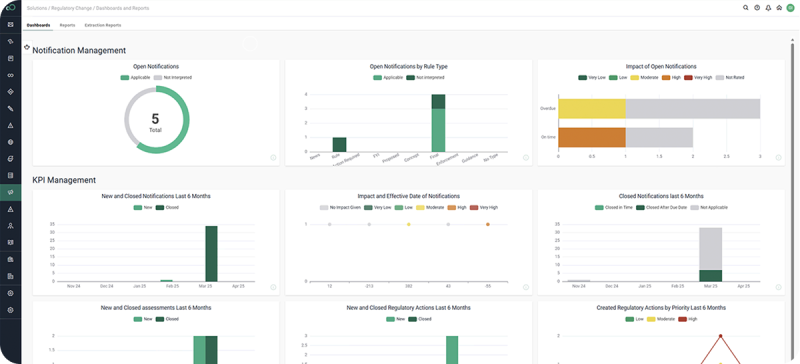
SAI360 is a compliance and risk management platform used across healthcare, finance, and energy sectors in the US. It offers tools for policy management, regulatory tracking, and third-party risk oversight. SAI360 provides content libraries and templates that help organizations align with industry-specific standards such as HIPAA and OSHA.
Key Features of SAI360:
- Policy Management: Create and distribute compliance policies.
- Regulatory Content Library: Access templates aligned with HIPAA, OSHA, and SOX.
- Third-Party Risk Tools: Assess and monitor vendor compliance.
- Audit and Reporting: Centralize records for internal and external audits.
Pros and Cons of SAI360 Compliance Software
| Pros | Cons |
|---|---|
| Pre-built libraries cover HIPAA, OSHA, SOX, and other US regulations. | Out-of-the-box templates can be too generic for complex use cases. |
| Third-party risk features help track vendor compliance effectively. | Custom workflows often require heavy configuration. |
| Policy distribution tools make compliance communication easier. | Integration with non-SAI systems can be limited. |
| Industry focus makes it practical for healthcare, energy, and finance. | Updates to regulatory content may lag behind changes in certain industries. |
Ideal For: US companies in regulated industries such as healthcare, finance, and energy.
Pricing: Subscription-based custom pricing that depends on compliance areas and industry focus.
Expert’s Opinion:
SAI360 works best for organizations that need compliance tools aligned with industry-specific regulations. Its pre-built content reduces the time required to set up programs, and vendor monitoring helps companies manage risks beyond internal processes. However, companies with highly complex or fast-changing compliance needs may find they need to customize extensively, which can extend implementation timelines.
8. Gusto
Gusto is a comprehensive payroll and HR platform designed to simplify tax compliance and labor law adherence for small to medium-sized businesses. It automates payroll tax calculations, filings, and payments while providing proactive compliance monitoring.
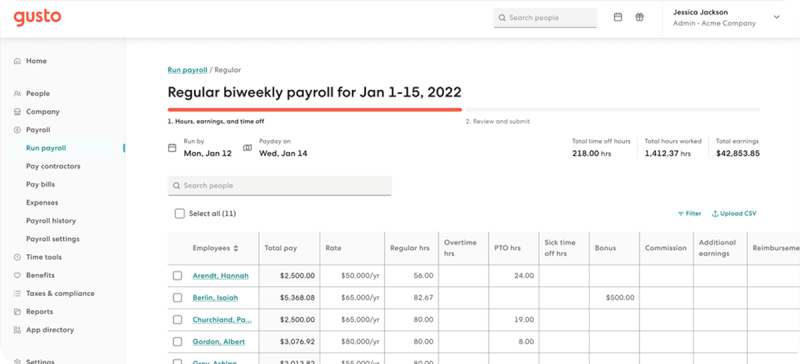
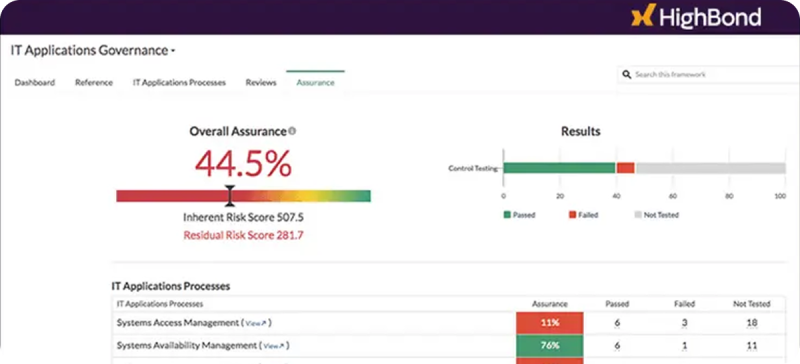
Key Features of HighBond by Gusto:
- Automated Tax Filing and Payments: Calculate, file, and remit federal, state, and local payroll taxes automatically with real-time updates for changing tax laws.
- Multi-State Compliance Management: Handle payroll across all 50 states with automated state tax registration assistance.
- Labor Law Monitoring: Receive proactive alerts for compliance deadlines, required employee training, labor law poster updates, and regulatory changes.
- Employee Onboarding Compliance: Streamline I-9 processing, tax document collection, and state-mandated benefits enrollment with built-in compliance checks.
Pros and Cons of Gusto
| Pros | Cons |
|---|---|
| Automates complex tax calculations and filings to prevent costly penalties | State registration process can take up to three weeks, delaying new employee payments |
| Provides real-time compliance alerts and regulatory updates across jurisdictions | Limited support for complex multi-entity structures or international compliance needs |
| Includes audit-ready documentation and reporting for compliance verification | Additional fees required for advanced multi-state features and registration services |
| Integrates seamlessly with accounting systems for streamlined financial reporting | Customer service response times can be slow during peak periods |
Ideal For: Small to medium-sized businesses seeking automated payroll tax compliance with minimal administrative overhead and integrated HR functionality.
Pricing: Simple plan starts at $49/month + $6/user/month
Expert’s Opinion:
Gusto simplifies payroll compliance for SMBs with automation and real-time alerts, easing tax filings and labor law tasks. While highly accurate for smaller firms, it may fall short for multi-entity, international, or enterprise-level needs.
9. Resolver GRC Cloud
Resolver GRC Cloud is a compliance and risk management solution designed for mid-sized and large organizations. It provides tools for policy management, incident tracking, and regulatory alignment, with a focus on industries such as finance and healthcare in the US. Resolver GRC Cloud also links risk assessments with compliance controls, which helps organizations address gaps proactively.
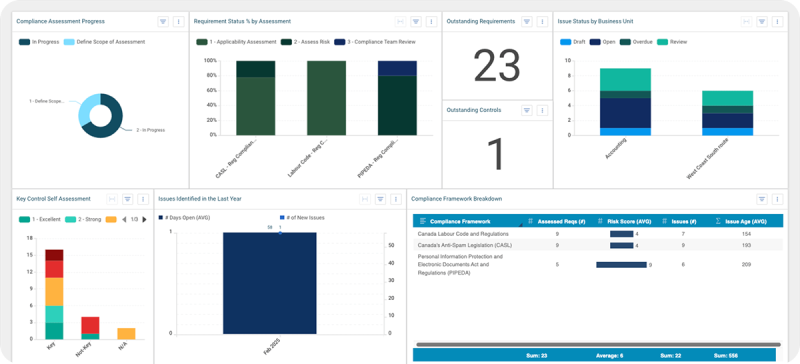
Key Features of Resolver GRC Cloud:
- Policy Management: Create, distribute, and track compliance policies.
- Incident Tracking: Monitor and investigate compliance-related incidents.
- Risk and Control Mapping: Connect risks with compliance responsibilities.
- Audit Support: Generate evidence and reports for audits.
Pros and Cons of Resolver GRC Cloud
| Pros | Cons |
|---|---|
| Links incident tracking directly to compliance processes. | Incident workflows need fine-tuning for heavily regulated industries. |
| Risk and control mapping make accountability clearer. | Scaling beyond mid-sized teams adds operational complexity. |
| Useful for finance and healthcare compliance in the US. | Limited coverage for global frameworks compared to enterprise-focused tools. |
| Policy management tools improve communication across teams. | Integrations with specialized finance or HR systems are narrow. |
Ideal For: US organizations in regulated industries that want compliance tied to risk and incident tracking.
Pricing: Custom pricing based on industry, modules, and scale of deployment.
Expert’s Opinion:
Resolver GRC Cloud is good for companies that want compliance connected to risk and incident management. Its policy and incident tracking features help teams address problems before they escalate. Resolver GRC Cloud suits regulated industries such as healthcare and finance, though implementation for highly complex requirements may require extra effort and time.
10. Prophix One
Prophix One is primarily a financial planning and performance management platform that includes compliance capabilities for audit, reporting, and regulatory alignment. Prophix One includes audit trails, role-based access, and reporting features that support both financial compliance and corporate governance.
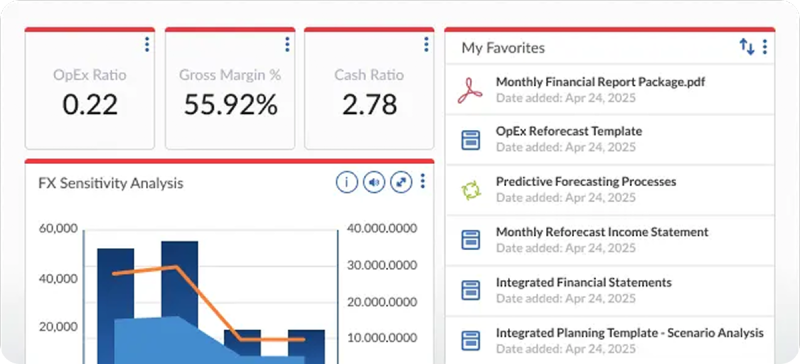
Key Features of Prophix One:
- Audit Trails: Track and log financial compliance actions.
- Role-Based Access: Control who can view and approve financial data.
- Regulatory Alignment: Apply controls during reporting for compliance.
- Integrated Planning: Combine compliance with financial planning processes.
Pros and Cons of Prophix One
| Pros | Cons |
|---|---|
| Embeds compliance controls directly into financial planning workflows. | Primarily supports finance-driven compliance, leaving gaps elsewhere. |
| Provides audit trails that support financial reviews. | Does not cover healthcare, labor, or environmental compliance requirements. |
| Role-based access strengthens data integrity. | Not suitable for enterprise-wide governance across multiple departments. |
| Connects compliance with performance management and budgeting. | Relies on pairing with other GRC tools for broader compliance oversight. |
Ideal For: US finance teams that want compliance tied to planning and reporting.
Pricing: Custom pricing based on workforce size and financial modules.
Expert’s Opinion:
Prophix One is useful for organizations that want compliance embedded within financial management. It helps ensure audit trails and role-based controls are built into reporting cycles. While it suits finance-driven compliance needs, companies looking for broader governance or regulatory coverage may need a dedicated GRC platform alongside it.
Best Compliance Management Software in 2026: A Comparison
With so many compliance platforms available, it can be difficult to evaluate which one actually covers your business needs. The table below gives a quick side-by-side look at the leading tools in 2026.
| Software | Key Features | Best For | G2 Rating |
|---|---|---|---|
| Keka |
| US companies that want payroll, HR, and compliance connected in one system | 4.5/5 |
| OneTrust GRC |
| Organizations that need compliance with multiple US and global regulations | 4.5/5 |
| MetricStream GRC |
| Enterprises in regulated industries such as healthcare and finance | 3.9/5 |
| NAVEX IRM |
| Mid-sized and large businesses that need compliance tied to risk management | 3.8/5 |
| SAP GRC |
| Enterprises using SAP systems that want compliance aligned with ERP | 4.2/5 |
| Diligent Governance Cloud |
| US companies that need governance and compliance at the board level | 4.5/5 |
| SAI360 |
| Healthcare, finance, and energy companies with industry-specific standards | 4.1/5 |
| Gusto |
| SMBs seeking automated payroll tax compliance | 4.6/5 |
| Resolver GRC Cloud |
| Mid-sized and large companies in finance or healthcare that need incident-linked compliance | 4.2/5 |
| Prophix One |
| Finance teams that want compliance tied directly to reporting and planning | 4.4/5 |
Which Compliance Management Tool is Best for You?
Compliance tools should match who owns compliance in your business and how formal your audit and risk processes are. Use the categories below to match a platform to the problems you must solve and the resources you have.
1. Everyday HR and Payroll Compliance
If HR manages filings, employee records, and payroll accuracy, choose a platform that makes compliance part of daily HR tasks and reduces audit stress.
- Keka: Automates payroll tax filings, applies labor law updates in real time, and stores I-9 and EEO records in audit-ready form.
- Prophix One: Embeds audit trails and access controls into financial planning so compliance checks happen during reporting cycles.
- NAVEX IRM: Standardizes compliance policies, connects them with HR workflows, and creates evidence logs for audits.
2. Multi-Regulation and Global Frameworks
Enterprises that operate across borders need software that aligns controls with multiple regulations and provides visibility into global compliance.
- OneTrust GRC: Maps requirements across US and global frameworks like GDPR, HIPAA, and SOX, then centralizes evidence collection.
- MetricStream: Links policies, risk registers, and audit findings so compliance gaps can be traced to accountable teams.
- SAP GRC: Ties compliance directly into ERP and finance processes, making access control and segregation of duties easier to enforce.
3. Risk and Third-Party Oversight
Organizations that rely on vendors and partners face exposure through supply chains. These tools help automate assessments and monitor external compliance risks.
- NAVEX IRM: Scores vendors for compliance readiness and monitors them through ongoing risk assessments.
- SAI360: Provides templates aligned with HIPAA, OSHA, and SOX to track vendor risks alongside internal controls.
- Resolver GRC Cloud: Connects incidents with risk mapping so compliance teams see how supplier issues affect internal policies.
4. Enterprise-Grade Governance
Board-level oversight requires secure communication, structured workflows, and transparency into governance processes.
- Diligent Governance Cloud: Manages board meetings, policies, and secure communication so directors can oversee compliance effectively.
- SAP GRC: Gives leadership visibility into system access and user privileges, reducing governance risks tied to financial data.
5. Audit Automation and Reporting
When audit readiness drives compliance priorities, platforms with strong evidence collection and reporting are essential.
- Keka: Tracks every payroll and HR compliance action in detailed logs and alerts HR before filing deadlines are missed.
- Resolver GRC Cloud: Combines policy records with incident logs so auditors can trace issues directly to compliance actions.
Top Picks for Compliance Management Software
If you’re comparing tools, here’s how the leading compliance platforms stack up across different needs.
| Category | Software | Why It Stands Out |
|---|---|---|
| Everyday HR and Payroll Compliance | Keka | Embeds compliance directly into payroll and HR so filings, labor law updates, and employee documentation are handled in one workflow. |
| Prophix One | Brings compliance into financial planning by linking audit trails and access controls with reporting processes. | |
| NAVEX IRM | Standardizes compliance policies across HR tasks and provides clear evidence logs that reduce audit effort. | |
| Multi-Regulation and Global Frameworks | OneTrust GRC | Centralizes evidence collection and maps requirements across both US laws and global standards such as GDPR and HIPAA. |
| MetricStream | Connects policy, risk, and audit management to give enterprises accountability across heavily regulated sectors. | |
| SAP GRC | Ties compliance directly to ERP and finance systems, strengthening enforcement of controls at scale. | |
| Risk and Third-Party Oversight | NAVEX IRM | Adds vendor scoring and monitoring so compliance covers both internal processes and external supply chain risks. |
| SAI360 | Provides regulatory templates and workflows that make it easier to manage vendor and industry-specific compliance. | |
| Resolver GRC Cloud | Links supplier incidents with internal risk mapping, helping compliance teams understand broader exposure. | |
| Enterprise-Grade Governance | Diligent Governance Cloud | Focused on boards and executives, it secures communication and ensures compliance oversight at the leadership level. |
| SAP GRC | Gives leaders visibility into system access and segregation of duties, making governance more transparent. | |
| Audit Automation and Reporting | Keka | Creates detailed audit trails for HR and payroll compliance while alerting teams about deadlines before issues arise. |
| Resolver GRC Cloud | Integrates compliance policies with incident logs so auditors can quickly trace findings to actions taken. |
How to Choose the Right Compliance Management Software
Selecting the right compliance platform requires aligning it with your regulatory obligations, team workflows, and long-term business plans. The factors below can guide you toward a system that supports both day-to-day accuracy and strategic risk management.
- Regulatory Coverage: Ensure the software supports the exact regulations that apply to your business, such as SOX and HIPAA in the US or GDPR for international operations. Industry-focused coverage reduces risk and avoids gaps.
- Scalability: As organizations expand into new regions or grow headcount, compliance requirements increase. The platform should handle larger data volumes, additional users, and new frameworks without performance issues.
- Integration with Core Systems: Compliance relies on accurate data from HR, payroll, finance, and ERP. Tools that integrate directly with these systems minimize duplication and prevent reporting errors.
- Audit Readiness: Effective platforms capture evidence continuously, generate clear trails of activity, and provide structured reports that reduce preparation time during internal or external audits.
- User Accessibility: A system should provide the right level of access to each stakeholder, from HR managers and compliance officers to auditors, through a clear and intuitive interface.
- Customization: Businesses vary in their workflows, policies, and reporting needs. Flexible configuration for templates, control mapping, and approval processes makes the software more effective.
- Vendor Support and Implementation: Implementation can make or break adoption. Providers with guided onboarding, regular training, and responsive support ensure compliance processes run smoothly.
- Total Cost of Ownership: Beyond license fees, consider how much the software saves in reduced penalties, faster reporting cycles, and lower manual workload. A sustainable investment improves compliance outcomes over time.
Conclusion
Compliance management directly affects how businesses operate. Frequent regulatory changes and errors in filings can bring penalties and damage trust. A strong platform helps track obligations, automate processes, and keep records ready for audits, while also reducing manual work for HR and finance teams.
Among the tools compared, Keka is the most practical choice for companies that want compliance linked with payroll and HR. It automates filings, applies labor law updates, and maintains audit-ready records in one place. Keka reduces risks and makes compliance more transparent and manageable through its tight integration with everyday HR and payroll tasks.